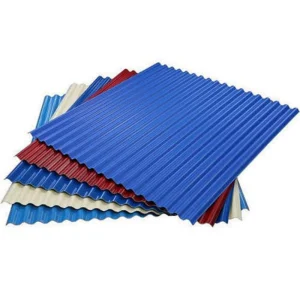
Brazil, as one of the world's leading economies in the construction sector, faces unique challenges due to its diverse tropical and subtropical climates. From the humid Amazon basin to the scorching industrial hubs of São Paulo and Minas Gerais, the demand for Heat-Resistant Tiles has skyrocketed. Factories and exporters are now pivoting toward materials that not only offer aesthetic appeal but prioritize thermal insulation and energy efficiency.
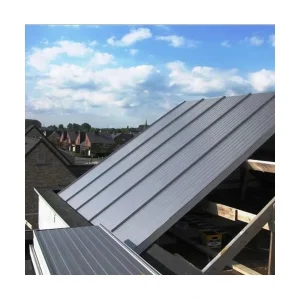
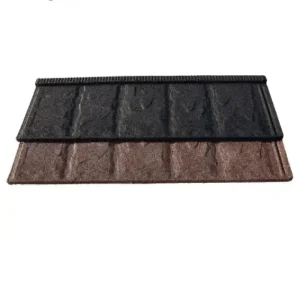
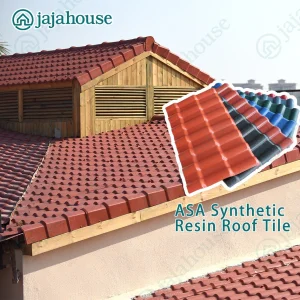
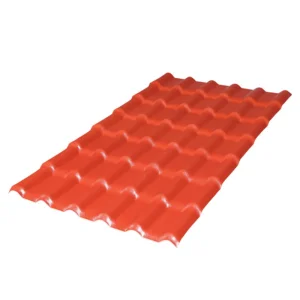
The Brazilian "Green Building" movement has accelerated the adoption of advanced roofing and cladding materials. High-performance tiles are no longer a luxury but a necessity for reducing the "Urban Heat Island" effect in major metropolises like Rio de Janeiro. Local developers are increasingly seeking stone-coated metal and ASA synthetic resins to combat high solar radiation and heavy tropical rainfall.
Explore Industrial Solutions
Applying E-E-A-T principles to Brazil's Construction Infrastructure
Our tiles use advanced infrared-reflective pigments, reducing surface temperatures by up to 20°C, a critical factor for Brazil's agribusiness warehouses.
Aligning with Brazil's commitment to ESG, these tiles are 100% recyclable and manufactured using low-carbon processes.
Precision-engineered using AI-driven quality control to ensure uniform thickness and consistent heat-resistance across every slab.
Specifically designed for the 8,000km Brazilian coastline, offering resistance to saline air and humidity.
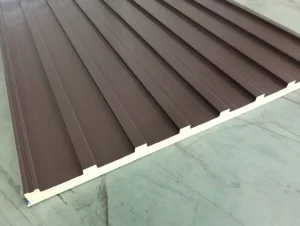
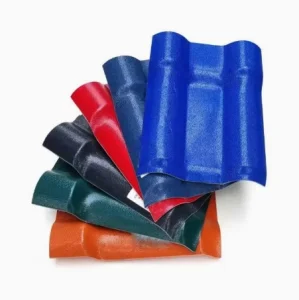
In the industrial zones of Belo Horizonte and Curitiba, heat-resistant tiles are being utilized to create climate-controlled environments for pharmaceuticals and food processing. By utilizing ASA-PVC hybrid tiles, facilities can maintain stable internal temperatures without relying solely on expensive HVAC systems.
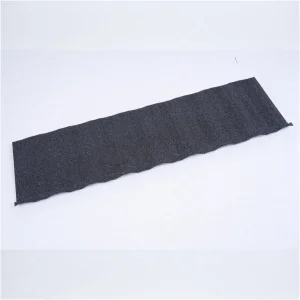
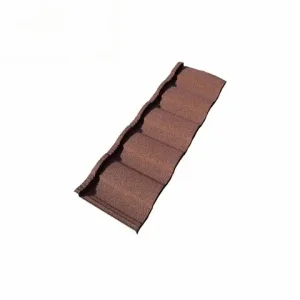
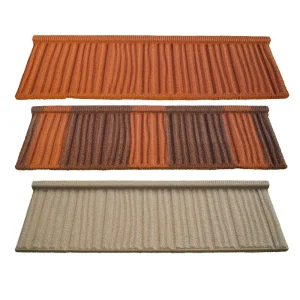
For the residential market in Rio de Janeiro and Brasilia, the focus is on "Cool Roofs." Stone-coated metal roofing tiles provide the prestigious look of traditional Mediterranean ceramic while offering the lightweight and high-durability benefits required for modern structural designs.
Furthermore, in the Agricultural Heartland (Mato Grosso), heat-resistant tiles are essential for livestock housing, ensuring animal welfare by preventing heat stress during peak summer months.
Bridging Hangzhou's Innovation with Brazilian Architectural Needs
Founded in Hangzhou, Hangzhou Rock Stone Co., Ltd. is a leading manufacturer specializing in ultra-thin sintered stone slabs, eco-friendly decorative tiles, and wall cladding solutions for both indoor and outdoor applications. With years of experience in the stone and ceramic materials industry, the company has established a reputation for high-quality, sustainable, and customizable products that meet diverse architectural and design needs.
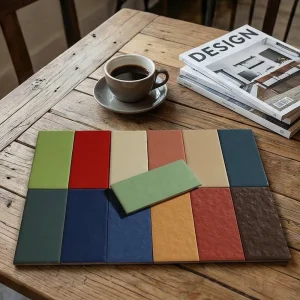
Our core offerings include ultra-thin sintered stone slabs that combine elegance with durability, ideal for modern interior and exterior designs, as well as decorative tiles suitable for residential, commercial, and public spaces. We emphasize eco-friendly production, using sustainable materials and energy-efficient processes to reduce environmental impact while delivering superior performance.
At Hangzhou Rock Stone, OEM and custom solutions are at the heart of our service. Our in-house design and engineering teams work closely with clients to provide tailored sizes, finishes, and textures, ensuring every project achieves the perfect aesthetic and functional requirements. From large-format wall cladding to intricate indoor decorative patterns, we provide complete solutions that balance beauty, practicality, and sustainability.
Committed to innovation, quality, and customer satisfaction, Hangzhou Rock Stone Co., Ltd. continues to support architects, designers, and distributors worldwide, providing reliable, high-performance stone and tile solutions that transform spaces with style and longevity.
Advanced Materials for Industrial and Luxury Projects
As we analyze the 2024-2030 Brazilian infrastructure forecast, two trends emerge as dominant: Lightweighting and Smart Thermal Barriers. Traditional clay tiles, while culturally significant in Brazil, are being replaced by stone-coated metal and polymer-based tiles. Why? Because these modern alternatives offer a superior weight-to-strength ratio, reducing the cost of underlying timber or steel structures by up to 30%.
Our engineering team emphasizes that for high-radiation environments like the Nordeste region, the emissivity of the tile surface is just as important as its reflectivity. By utilizing sintered stone technology, we offer surfaces that shed heat quickly after sunset, preventing the "night-time heat release" that keeps buildings warm long into the evening.
Furthermore, the reliability of our supply chain to Brazil ensures that large-scale industrial projects in Manaus or Porto Alegre receive consistent material quality. Each batch is tested for thermal expansion coefficients, ensuring that under the intense Brazilian sun, the tiles do not crack or lose their protective coating. This commitment to technical excellence is what defines us as a leading exporter in the South American market.
 Rock Stone