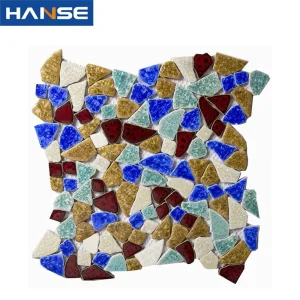
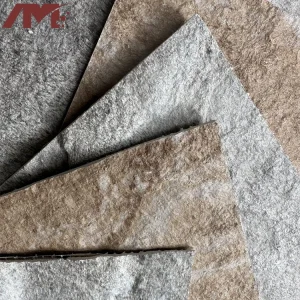
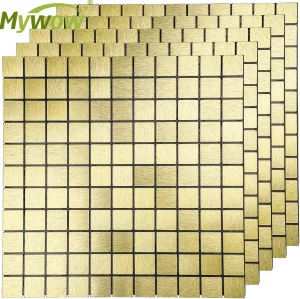
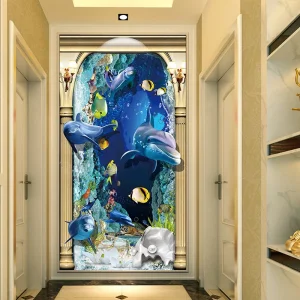
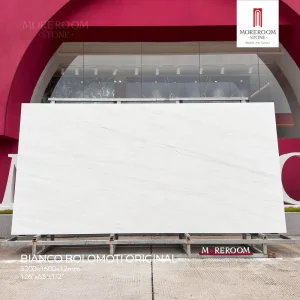
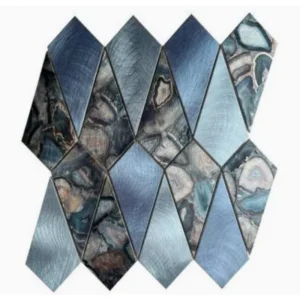
Explore our elite collection of weather-resistant external wall tiles, custom mosaic tiles, and high-performance structural cladding engineered to exceed global architectural specifications.
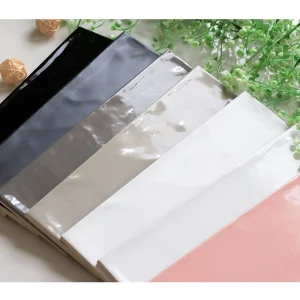
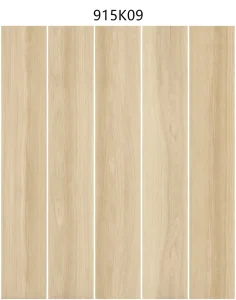
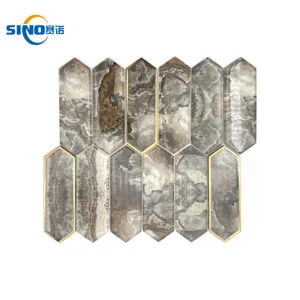
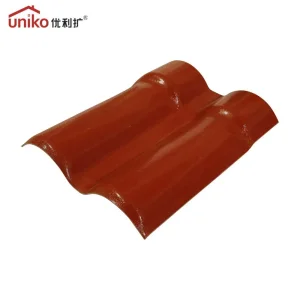
The contemporary architecture and construction industry is undergoing a structural transition toward ecological sustainability and extreme material longevity. Natural hardwood, though highly coveted for its warm organic aesthetic, presents severe design and structural liabilities: it is susceptible to rot, moisture degradation, termite damage, warping under thermal fluctuations, and carries a heavy deforestation footprint.
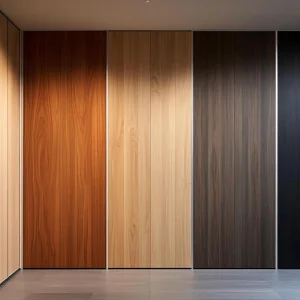
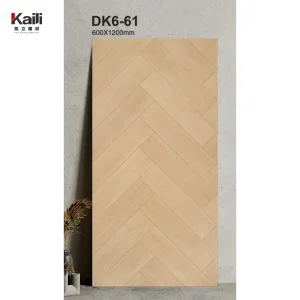
Enter Porcelain Wood Effect Planks—an advanced engineering breakthrough that combines the hyper-realistic visual depths and tactile grains of natural oak, walnut, and teak with the indestructible physical characteristics of vitrified porcelain. Using state-of-the-art 3D digital inkjet printing and structural texturing, global commercial developers and designers can now achieve the biophilic aesthetic of timber in environments where natural wood would immediately fail: high-traffic commercial pathways, exterior facades, humid spas, and heavy industrial interiors.
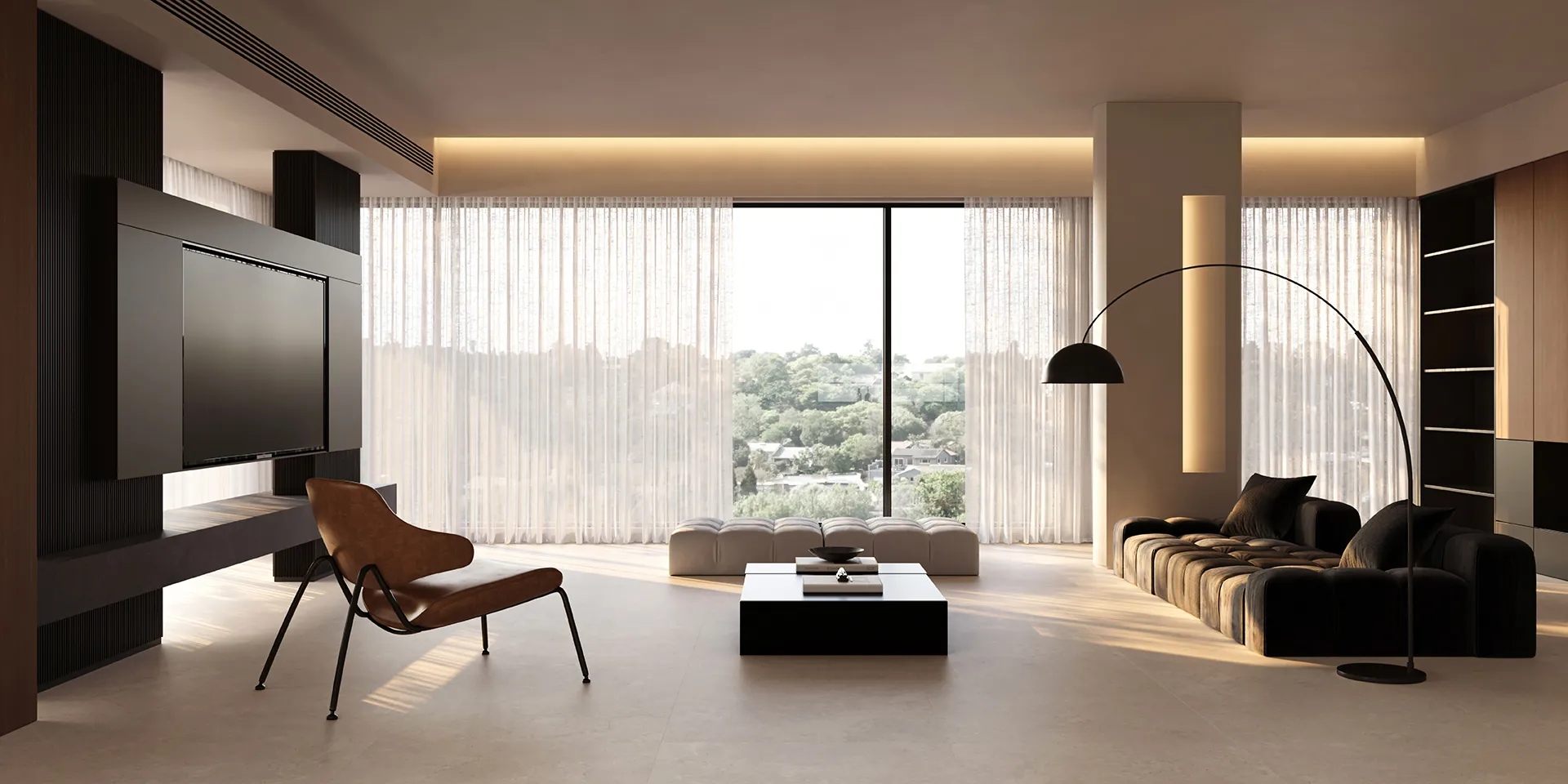
Engineered with a water absorption rate under 0.5% (typically ≤0.1% in our flagship collections), preventing frost cracking, inner-body mold, and dimensional swelling.
Rated at PEI IV and PEI V, these vitrified porcelain surfaces withstand heavy foot traffic, shopping carts, and wheeled equipment without scratching or surface wearing.
Unlike natural timber, which fades, silvers, or degrades under direct sunlight, our planks feature inorganic mineral glaze stabilizers that ensure 100% color retention over decades.
Founded in Hangzhou, Hangzhou Rock Stone Co., Ltd. is a leading manufacturer specializing in ultra-thin sintered stone slabs, eco-friendly decorative tiles, and wall cladding solutions for both indoor and outdoor applications. With years of deep domain experience in the structural stone, engineered quartz, and high-performance ceramic materials industry, we have established a reputation for high-quality, sustainable, and customizable products that meet diverse architectural and design needs.
Our core offerings include ultra-thin sintered stone slabs that combine elegance with durability, ideal for modern interior and exterior designs, as well as decorative tiles suitable for residential, commercial, and public spaces. We emphasize eco-friendly production, utilizing state-of-the-art kilns, sustainable clay matrices, and energy-efficient heat recovery processes to dramatically reduce environmental impact while delivering superior technical performance.
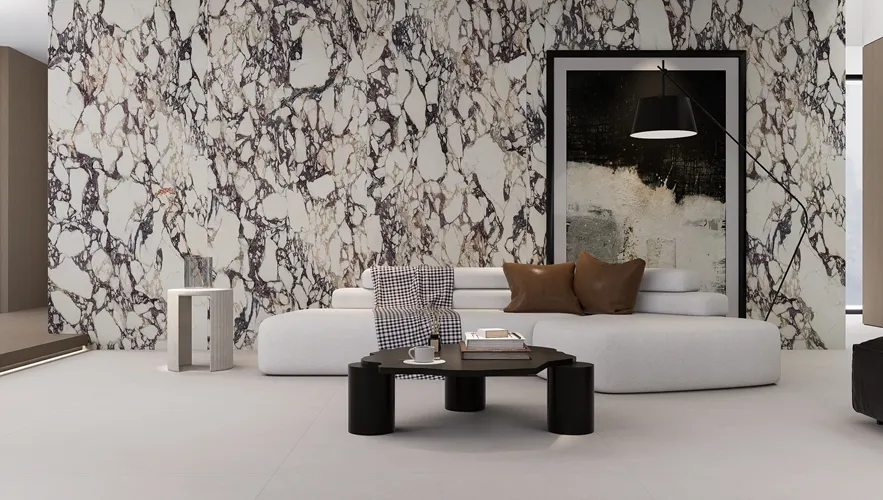
At Hangzhou Rock Stone, OEM and custom solutions are at the heart of our service. Our in-house design and engineering teams work closely with global distributors, architectural planners, and real estate developers to provide tailored sizes, finishes, and textures, ensuring every project achieves the perfect aesthetic and functional requirements. From large-format wall cladding to intricate indoor decorative patterns, we provide complete solutions that balance beauty, practicality, and sustainability.
We leverage advanced high-tonnage pressing equipment (exceeding 10,000 tons of pressure) and precise firing controls at 1200°C+ to ensure that our porcelain wood effect planks, sintered stone panels, and flexible wall tiles possess zero structural micro-fissures, yielding exceptional flexural strength and cutting precision during construction.
The versatility of porcelain wood effect planks allows them to transcend traditional zoning boundaries. Understanding the specific environmental stress of each locale is key to correct material specification:
Why do global developers choose China-based production hubs, and specifically Hangzhou Rock Stone Co., Ltd., for their large-scale material procurement? The answer lies in the highly integrated supply chain ecosystem:
1. Raw Material Optimization: Our proximity to premium clay reserves and pure feldspar deposits allows us to formulate highly stable, white-firing clay bodies. This chemical consistency ensures that every batch of tiles has identical thermal expansion properties, preventing installation failures.
2. Advanced Machinery & Automation: China's industrial tile sector has leapfrogged traditional manufacturing by adopting automated digital glaze control systems, 3D laser-guided cutting stations, and heat-recycling kilns. This high level of automation reduces human error, increases dimensional precision (rectified edges within ±0.5mm), and keeps unit costs highly competitive.
3. Unmatched Scalability & Turnaround: For megaprojects requiring tens of thousands of square meters of customized wall cladding or wood effect planks, we can spin up multiple high-speed production lines simultaneously, guaranteeing strict delivery timelines that smaller European or regional plants simply cannot support.
B2B procurement of heavy building materials across international borders presents complex challenges including shipping damage, dimensional variations, compliance with regional building codes (ASTM, EN, AS/NZS), and sustainability audits. To successfully navigate these risks, procurement directors should focus on the following core areas:
Ensure that all imported porcelain wood effect planks carry certified test reports for water absorption, modulus of rupture, scratch hardness (Mohs scale), and chemical resistance. Hangzhou Rock Stone provides comprehensive, transparent test certifications for every export batch, meeting or exceeding international standards.
Heavy vitrified planks must be packed securely in reinforced, fumigated wooden crates with protective plastic corner guards and vacuum shrink-wrap. Improper packaging leads to edge chipping. We utilize custom-engineered structural pallet racks to optimize container weight distribution and minimize movement during sea transit.
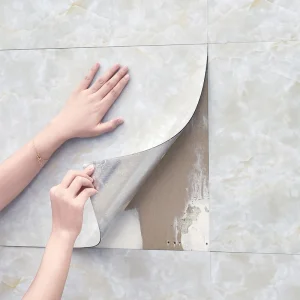
The industry is moving rapidly toward larger, thinner formats. The development of ultra-thin sintered stone slabs (down to 3mm and 6mm thickness) with integrated HD wood grain glazes allows for the installation of wood-look surfaces on ceilings, curved pillars, and cabinet door faces. Additionally, antimicrobial nano-glazes that active under light to destroy bacteria are becoming a standard requirement for healthcare and hospitality projects.
Expert answers to the most common engineering and procurement questions regarding high-performance wood-effect porcelain tiles and sintered slabs.
Discover our specialized range of sintered stone cladding, architectural mosaic tiles, and high-durability residential surfaces engineered for superior longevity and modern aesthetics.
 Rock Stone