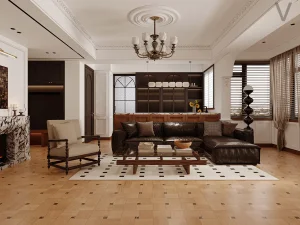
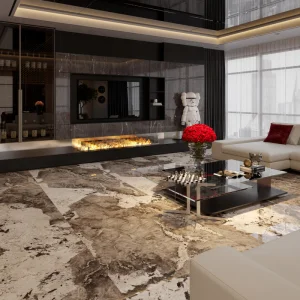
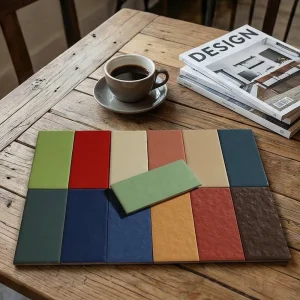
The global flooring and wall cladding market has witnessed a remarkable resurgence in the appreciation for Encaustic Cement Tiles. Once a lost art, these tiles—characterized by their complex geometric patterns and pigment-saturated bodies rather than surface glazes—have become a staple for architects and interior designers seeking "Information Gain" in high-end projects. Unlike mass-produced ceramic or porcelain, encaustic tiles offer a tactile, authentic experience that speaks to E-E-A-T (Experience, Expertise, Authoritativeness, Trustworthiness) in the architectural design sector.
1. Digital Hybridization: Manufacturers are now blending traditional hydraulic pressing techniques with digital inkjet precision to enhance design complexity without sacrificing the material's structural integrity.
2. Sustainability Metrics: Environmental impact is a primary procurement driver. Factories are shifting toward low-carbon curing processes and utilizing locally sourced pigments to reduce the embodied carbon footprint.
3. Performance Engineering: Modern advancements in sealing technology have revolutionized the maintenance landscape. New-generation nano-sealants now provide superior stain and water resistance, making encaustic tiles suitable for wet zones and high-traffic commercial spaces.
For international buyers and project managers, vetting "Top 10" manufacturers requires looking beyond price. It involves auditing the factory’s R&D capabilities. Key procurement pillars include:
In the landscape of modern material suppliers, Hangzhou Rock Stone Co., Ltd. stands out as a leading manufacturer specializing in ultra-thin sintered stone slabs, eco-friendly decorative tiles, and wall cladding solutions. With years of experience in the stone and ceramic materials industry, the company has established a reputation for high-quality, sustainable, and customizable products.
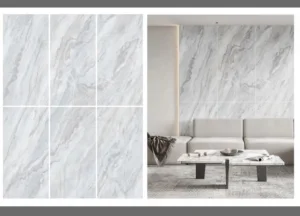
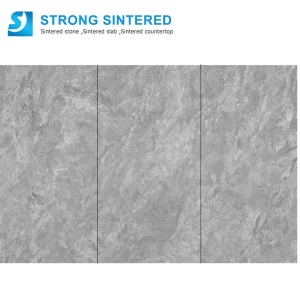
Our core offerings include ultra-thin sintered stone slabs that combine elegance with durability, ideal for modern interior and exterior designs, as well as decorative tiles suitable for residential, commercial, and public spaces. We emphasize eco-friendly production, using sustainable materials and energy-efficient processes to reduce environmental impact.
Strategic Advantage: At Hangzhou Rock Stone, OEM and custom solutions are at the heart of our service. Our in-house design and engineering teams work closely with clients to provide tailored sizes, finishes, and textures, ensuring every project achieves the perfect aesthetic and functional requirements. From large-format wall cladding to intricate indoor decorative patterns, we provide complete solutions that balance beauty, practicality, and sustainability.
The future of the industry lies in "Smart Surfaces." We anticipate the integration of thermochromic pigments and self-cleaning surfaces. The focus will remain on the equilibrium between traditional aesthetic charm and modern building science. Architects should prioritize manufacturers who demonstrate robust technical roadmaps in material science.
A: Yes, provided they are correctly sealed. Manufacturers like Hangzhou Rock Stone provide specific sealing guidelines for outdoor applications to ensure longevity against UV and weather elements.
A: Customization requires mold preparation or specialized cutting processes. While it adds 1-2 weeks to production, the benefit is seamless installation for unique architectural spaces.
 Rock Stone