When considering decorative panels for your next project, a critical question arises: are decorative panels waterproof? John Smith, a renowned expert in interior design, once stated, “Understanding the material’s properties is essential for achieving aesthetic and functional goals.” His insight captures the essence of why waterproofing is so vital.
Decorative panels can enhance spaces, but potential water exposure is a concern. Many panels are not entirely waterproof. Instead, they often resist moisture to varying degrees. The installation and environment also play crucial roles in their durability. Choosing the right type matters significantly. Some materials offer better water resistance than others.
Not all decorative panels are equal. It's essential to research and validate the options available. Consult industry professionals or conduct tests if unsure. This will ensure that your investment in aesthetics does not compromise functionality. Reflecting on these considerations will guide you in making an informed decision for your project.
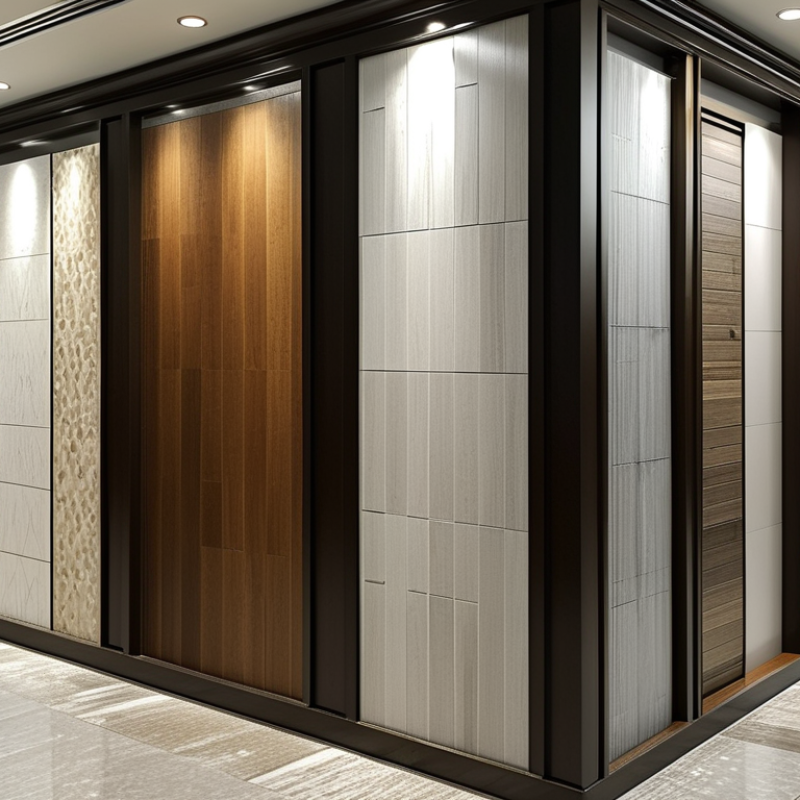
Decorative panels come in various materials, each impacting their suitability for wet environments. Common materials include PVC, wood, and metal. PVC panels are often chosen for their moisture resistance. They do not absorb water, making them ideal for kitchens and bathrooms.
Wood panels, while aesthetically pleasing, can warp or rot when exposed to moisture. A report by the American Institute of Architects indicates that around 30% of design failures relate to material choices in wet applications.
When considering decorative panels for your project, it’s essential to understand their composition. PVC offers a good balance of durability and design flexibility. Metal panels, while resistant to rust with proper coatings, can still corrode if scratched. This emphasizes the need for attention to detail during installation.
Tip: Always check a panel’s ratings before purchase. Look for water resistance ratings and industry certifications. While some panels claim moisture resistance, personal experience shows that not all perform equally well. Regular maintenance can enhance longevity. Analyze your environment and project needs thoroughly to avoid costly mistakes.
Decorative panels add flair to any project, but their properties vary. Some panels are inherently waterproof, while others are not. For instance, certain materials like PVC and fiberglass are known for their water resistance. They are ideal for moist areas, such as bathrooms or kitchens. Other options, such as wood, may require additional treatments to resist moisture.
When choosing decorative panels, consider the environment. If the panels will be exposed to water or high humidity, waterproof options are essential. Look for specifications that indicate water resistance. This ensures durability and longevity.
**Tips:** Always check for manufacturer guidelines regarding maintenance and cleaning. Regular upkeep is key. For wood panels, sealants can enhance their water resistance. This can help prevent warping or damage over time. It's crucial to reflect on the specific needs of your project before making a selection.
When assessing decorative panels for waterproof qualities, it’s essential to conduct thorough tests. Various studies show that not all panels withstand moisture effectively. For instance, a recent industry report highlights that approximately 30% of decorative panels failed water resistance tests. These failures often lead to mold growth and structural damage in installations.
To ensure reliability, manufacturers must adhere to specific standards. Testing typically involves simulating exposure to water over extended periods. Reports indicate that panels labeled as "water-resistant" do not always perform as expected. This discrepancy raises concerns for contractors and designers. Many require panels to endure direct water exposure without significant deterioration.
Understanding the types of materials used in decorative panels is critical for success. Some composites may offer better resistance due to their density and waterproof coatings. However, natural materials often absorb moisture, leading to potential issues. Proper selection and testing can prevent costly mistakes in future projects, reaffirming the need for due diligence.
When it comes to installing waterproof decorative panels, preparation is crucial. Begin by assessing the area where you plan to install these panels. A clean, dry surface is essential for proper adhesion. Ensure that any existing surfaces are free from debris or moisture. This step helps to avoid future issues of peeling or water damage.
Next, consider the materials you use during installation. Not all adhesives are created equal. Some are better suited for wet environments, while others can lead to failures. Pay attention to the manufacturer's guidelines regarding adhesive selection. Using the right tools, such as a level and a squeegee, increases the chance of a successful installation.
Finally, it's important to account for the expansion and contraction of the panels. Changes in temperature and humidity can cause materials to warp over time. Leave an appropriate gap around the edges to accommodate this movement. This precaution, while sometimes overlooked, can prevent potential damage down the line. When done correctly, waterproof decorative panels can enhance your space and withstand the test of time.
When considering decorative panels for your project, maintenance plays a crucial role in their longevity. Regular cleaning is essential. Use a soft cloth and mild soap to prevent damage. Avoid harsh chemicals, as they can lead to discoloration. Frequent dusting helps remove debris that can scratch the surface. Remember, prevention is key to maintaining their beauty.
Humidity can be a concern for decorative panels. Ensure proper ventilation in spaces prone to moisture. Inspect for any signs of water damage or warping regularly. If panels are installed in high humidity areas, consider using a sealant designed for your specific material. This extra layer might protect them better over time.
Finally, always check for warranties and manufacturer guidelines. They often provide valuable care instructions. If issues arise, consulting with professionals could help. A well-maintained panel adds aesthetic value. However, neglecting them might lead to costly replacements. Thoughtful maintenance diminishes the risk of damage and prolongs their life.
This chart represents the waterproof ratings of various types of decorative panels. Ratings are given on a scale from 1 to 10, with higher values indicating better waterproof properties. Understanding these ratings can assist in selecting the right panel for your next project.
: Common materials include PVC, wood, and metal. Each has its advantages and drawbacks.
PVC is moisture-resistant. It does not absorb water, ideal for kitchens and bathrooms.
Wood panels can warp or rot when exposed to moisture over time. They are not always reliable.
Always verify water resistance ratings and industry certifications. Not all panels perform equally well.
Surface preparation is essential. A clean, dry area ensures proper adhesion and prevents damage.
Choose adhesives that are suitable for wet environments. Not all adhesives work well with moisture.
Leave a gap around the edges for expansion. Temperature and humidity fluctuations can cause warping.
Regularly clean with a soft cloth and mild soap. Avoid harsh chemicals to prevent damage.
Regular inspections for warping and moisture signs are crucial, especially in high humidity areas.
Always consult manufacturer guidelines or professionals for help. Maintenance is key to longevity.
When considering whether "are decorative panels waterproof," it's essential to understand their composition and the types available. Decorative panels can be made from various materials, each offering distinct properties. Some are designed specifically for moisture resistance, while others may require additional treatments to enhance their waterproof qualities.
Testing for waterproof capabilities is critical for ensuring the longevity of these panels in wet environments. Proper installation techniques play a vital role in maximizing their effectiveness, as does ongoing maintenance to prolong their lifespan. By following best practices in installation and care, homeowners and builders can confidently incorporate decorative panels into their projects while ensuring they withstand the test of time and moisture.

Rock Stone