Creating a sense of spaciousness in a bathroom can be a challenge, but using tiles effectively can make a significant difference. Expert interior designer Lisa Johnson, known for her innovative bathroom transformations, states, “The right tile choices can visually expand any space.” This insight highlights the importance of selecting the right materials and colors when aiming to create an illusion of a larger area.
When considering how to make bathrooms look bigger with tiles, it’s essential to focus on size and pattern. Large tiles tend to minimize grout lines, creating a seamless look that opens up the space. Light colors reflect more light, enhancing the feeling of openness. For example, soft blues or light greys can evoke a tranquil spaciousness that darker shades may not achieve.
However, it's easy to make mistakes along the way. Not all tiles work harmoniously together. A mismatch can lead to a cramped feel instead of spaciousness. Choosing contrasting textures can also be tricky. Balancing these elements is crucial. Ultimately, with thoughtful planning and careful selection, transforming your bathroom into a more spacious oasis is entirely possible.
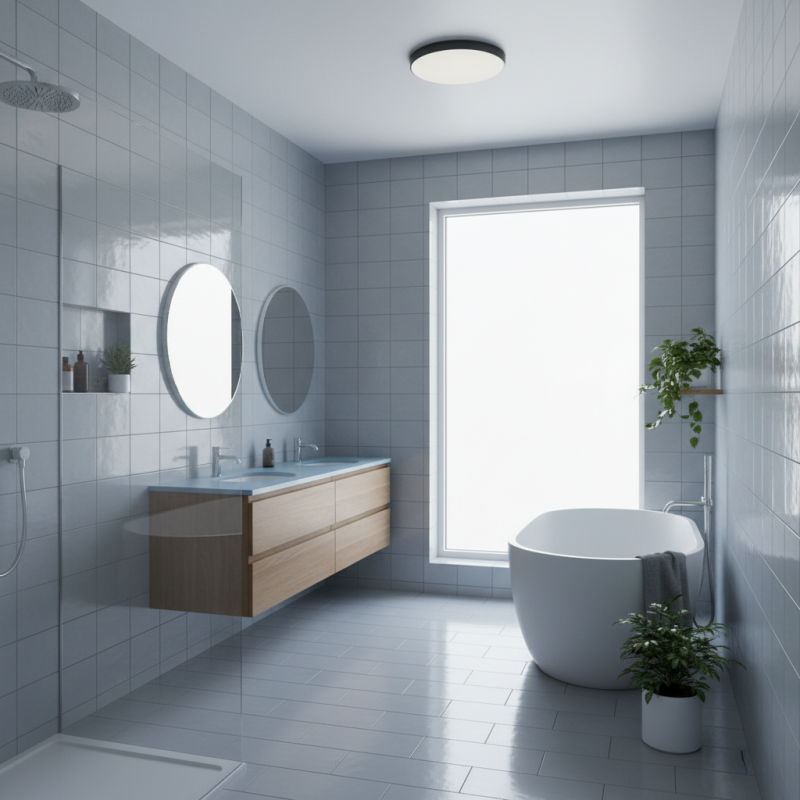
When choosing tiles for your bathroom, size matters. Larger tiles can create the illusion of a bigger space. They minimize grout lines, which helps reduce visual clutter. A 12x24 inch tile can look stunning and spacious on walls or floors. Opting for fewer cuts also keeps the room looking seamless. However, using oversized tiles in a tiny bathroom might make the space feel cramped if not done carefully.
Consider the layout of your tiles. Diagonal placements can add depth and draw the eye around the room. This technique can be effective even in small areas. Pairing large tiles with lighter colors can enhance the spacious feel. Soft pastels or neutral tones reflect light, making the room appear airy.
**Tips:** Use contrasting grout for a striking effect, but be cautious with dark shades. They may narrow the room's look if not balanced correctly. Experimenting with different textures can also add interest without losing the illusion of spaciousness. Remember, while going large is appealing, the right combination of accessories and fixtures is crucial for a harmonious feel. Consider how your tile choices fit with your bathroom's overall design.
In bathroom design, light colors can dramatically alter spatial perception. According to industry studies, lighter shades create an illusion of openness. Walls painted in soft whites or pale pastels can make a small space feel larger. The reflection from light-colored tiles enhances the overall brightness of the room. A brighter space often feels less confined.
Using tiles in light colors is beneficial. For instance, ceramic tiles in off-white or beige are commonly recommended. They combine aesthetics with functionality. However, achieving a cohesive look is crucial. Misalignments or clashing colors can detract from the desired effect. Exploring various layouts can also help. Wall-mounted tiles can elongate spaces visually, while horizontal patterns can broaden the scope.
Choosing the right lighting is equally important. Natural light pairs well with lighter colors to amplify their effect. However, many overlook the role of fixtures. Poorly designed lighting can create shadows, contradicting the goal of spaciousness. It’s essential to reflect on how each choice impacts the overall feel. While light colors generally uplift spaces, careful attention to detail is necessary for the desired expansive effect.
Using larger tiles in your bathroom can significantly enhance the perception of space. A study from the National Tile Contractors Association indicates that larger tiles can reduce grout lines by up to 70%. This creates a more seamless look. The fewer grout lines you have, the less visual clutter in the room. A smooth surface can trick the eye into thinking the space is larger than it is.
When selecting larger tiles, consider the layout carefully. For example, large rectangular tiles can elongate the room, making it feel more expansive. Additionally, lighter colors reflect more light, enhancing the spacious feel. A report from the American Society of Interior Designers highlights that lighter tones can increase a room's perceived size by about 15%.
However, it’s important to balance aesthetics with functionality. Larger tiles may require more skill to install. Uneven floors can cause challenges, leading to potential water retention issues. This might necessitate additional planning. While large tiles can offer a modern look, it’s essential to ensure proper installation. Grout types also matter; choosing a high-quality grout can prevent future issues, thus improving durability and ease of maintenance.
| Tile Size | Recommended Grout Width | Visual Effect | Best Use Case |
|---|---|---|---|
| 12"x24" | 1/16" | Creates a sleek, modern look | Contemporary bathrooms |
| 18"x36" | 1/8" | Amplifies the sense of space | Spacious master baths |
| 24"x24" | 1/16" | Energizes the room with symmetry | Luxury spa-like settings |
| 8"x32" | 1/8" | Draws the eye upward | Tall, narrow bathrooms |
Creating visual continuity in your bathroom can significantly enhance its perceived space. Floor-to-wall tile designs are an effective way to achieve this. According to a report by the National Kitchen and Bath Association, 68% of homeowners believe that larger tiles make a room feel more expansive. By seamlessly extending tiles from the floor to the walls, you eliminate visual breaks that can make spaces appear cramped.
Using a consistent tile color or pattern throughout can unify the elements in your bathroom. Light-colored tiles reflect more light and can create a sense of openness. A study from the Tile Council of North America indicated that lighter shades can enhance a room's brightness. However, it's essential to consider the balance of texture and color. Overly shiny tiles may introduce glare, which can be distracting.
Moreover, not all patterns work well in every space. Bold patterns can overwhelm small areas, while subdued designs might not add enough character. Experimenting with tile orientation can also yield interesting results. A subtle herringbone pattern might add visual flavor without sacrificing spaciousness. As you design, carefully reflect on how these choices impact the overall atmosphere of your bathroom.
Reflective tile materials can dramatically enhance the perception of space in a bathroom. By amplifying light, these tiles create an illusion of a larger area. According to industry reports, using glossy or polished tiles can increase perceived space by up to 25%. The key is to choose materials that bounce light effectively, such as glass or glazed tiles.
Incorporating lighter colors is also vital. Soft whites and pale pastels reflect sunlight better than darker shades. Small bathrooms can feel cramped with heavy, dark tiles. Instead, focus on a cohesive palette that integrates with reflective surfaces. Consider using large-format tiles as well; they reduce grout lines, creating a seamless look that visually expands the area.
Tips: Install mirrors opposite windows to maximize natural light. Use vertical stripes for tile patterns to draw the eye upward. Always balance the reflective surfaces with warm textures to prevent a cold environment. Despite these strategies, achieving a perfect balance may require trial and error. Every space is unique, and you must fine-tune your approach based on individual lighting and layout conditions.
: Larger tiles, like 12x24 inches, can make a space look bigger and reduce visual clutter.
Diagonal placements can create depth and visually enlarge the space, even in small areas.
Light-colored tiles, such as soft pastels or neutrals, reflect light and promote an airy feel.
Yes, contrasting grout can be striking, but dark shades may narrow the room’s appearance.
They create visual continuity, reducing breaks that might make the space feel cramped.
Bold patterns can overwhelm small spaces; subdued designs may lack character.
Yes, reflective tiles can increase the perception of space by effectively bouncing light.
Consider glossy or polished tiles, such as glass or glazed, as they enhance light reflection.
Placing mirrors opposite windows can maximize natural light and create a brighter atmosphere.
No, achieving the perfect balance often requires experimentation and adjustment based on your space.
In exploring how to make bathrooms look bigger with tiles, several key strategies can be employed. First, selecting the right tile size is crucial; opting for larger tiles can create fewer grout lines, which enhances the sense of spaciousness. Additionally, utilizing light colors—such as soft whites, pastels, or light grays—can significantly improve the perception of space in a bathroom, making it feel airy and open.
Furthermore, implementing floor-to-wall tile designs helps create visual continuity, eliminating visual breaks that can make small spaces feel cramped. Incorporating reflective tile materials, such as glossy finishes or glass mosaics, can amplify light within the room, further contributing to an illusion of space. By combining these techniques, any bathroom can achieve a larger and more inviting aesthetic.
Rock Stone