Anti-slip tiles play a crucial role in enhancing safety in various environments. But what are anti-slip tiles and where to use them? These specialized tiles are designed with textures or treatments that significantly increase traction. This feature makes them ideal for areas prone to wetness, such as bathrooms, kitchens, and outdoor patios.
When selecting anti-slip tiles, consider the coefficients of friction. Higher values indicate better slip resistance. Homeowners and designers alike should focus on areas with significant foot traffic. Entries, pool sides, and commercial spaces often require extra care in choosing the right material.
However, there is a balance to strike. Not every location needs high anti-slip ratings. Some spaces may prioritize aesthetics over safety. It’s essential to reflect on the specific needs of each area. Evaluating foot traffic and moisture levels can guide your decisions effectively. The right anti-slip tiles can blend safety with style, but improper choices can lead to discomfort or hazards.
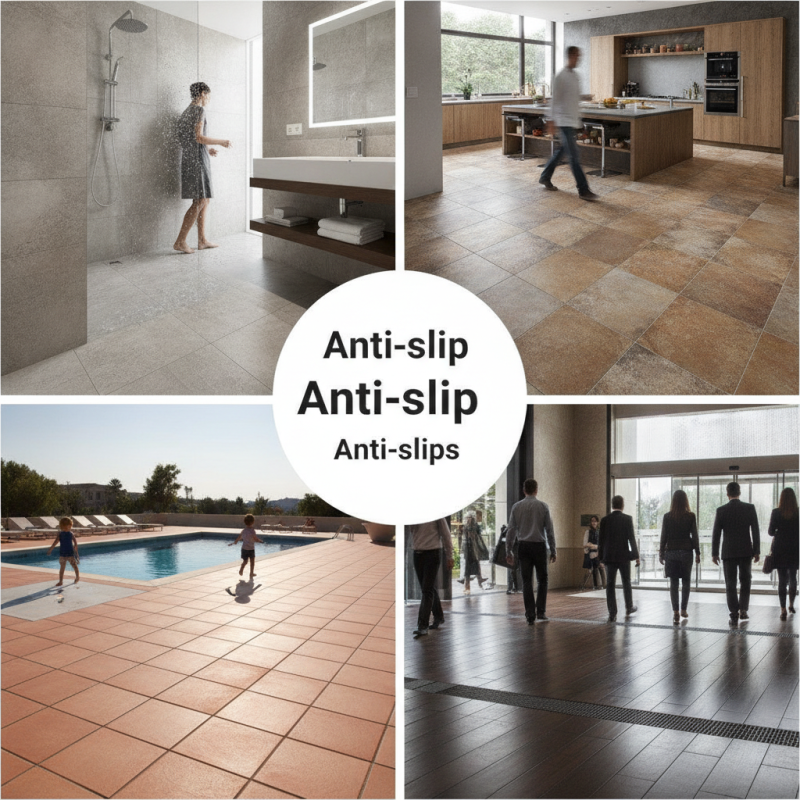
Anti slip tiles are crucial in maintaining safety in various environments. These specialized tiles feature textured surfaces, which enhance grip and reduce the risk of slips and falls. They are widely used in areas prone to moisture, such as bathrooms, kitchens, and around swimming pools. Their unique design helps minimize accidents, which is especially important for families with children or elderly members.
Choosing the right anti slip tile involves understanding the specific needs of your space. Not all tiles are created equal; some may perform better than others depending on their texture and material. For instance, porcelain tiles tend to offer better slip resistance than traditional ceramic options. It's essential to consider the tile's coefficient of friction, as this determines its effectiveness in preventing slips.
Despite their safety features, not all anti slip tiles suit every situation. Some may be harder to clean or less visually appealing. It’s a good idea to weigh the pros and cons before making a selection. Knowing that a tile can enhance safety is reassuring, but beauty and practicality also matter. Aim for a well-rounded choice that truly fits your space.
| Tile Type | Material | Surface Coating | Slip Resistance Rating | Ideal Locations |
|---|---|---|---|---|
| Porcelain Tiles | Porcelain | Textured Finish | R10 | Bathrooms, Kitchens |
| Ceramic Tiles | Ceramic | Glazed | R9 | Living Rooms, Entryways |
| Natural Stone Tiles | Marble, Granite | Honed Finish | R11 | Outdoor Patios, Walkways |
| Vinyl Tiles | Vinyl | Textured | R10 | Commercial Spaces, Bathrooms |
| Composite Tiles | Composite Materials | High Friction | R12 | Swimming Pools, Spas |
| Terracotta Tiles | Clay | Natural Finish | R9 | Gardens, Pathways |
| Slip-Resistant Rubber Tiles | Rubber | Textured | R12 | Playgrounds, Gyms |
| Glass Tiles | Glass | Frosted Finish | R10 | Bathrooms, Backsplashes |
| Concrete Tiles | Concrete | Coated Surface | R11 | Driveways, Garages |
: They are often used in moisture-prone areas like bathrooms and kitchens.
Over 30% of home injuries are attributed to slip-related accidents.
A COF rating above 0.6 is recommended for optimal safety.
High foot traffic and spills make anti-slip tiles essential in places like restaurants.
The ASTM suggests a COF of 0.8 or higher for commercial tiles.
Regular cleaning is essential to prevent dirt buildup and maintain slip resistance.
Avoid heavy objects, which can cause wear and tear on the tiles.
Inspect for cracks or chips and address any issues immediately to prevent further damage.
Avoid harsh chemicals, as they can damage the surface and reduce effectiveness.
Extreme humidity fluctuations can impact the condition and effectiveness of the tiles.
Anti-slip tiles are specially designed surfaces that enhance grip and reduce the risk of slipping in various environments, making them crucial for safety in both residential and commercial spaces. These tiles are made from a variety of materials, each offering unique features suitable for different applications. When considering what are anti-slip tiles and where to use them, it's important to note that they are ideal for wet areas such as bathrooms, kitchens, entryways, and outdoor spaces where moisture can lead to hazardous conditions.
In addition to their safety benefits, understanding the types of materials used, such as ceramics, vinyl, and stone, helps in selecting the appropriate anti-slip tile for specific needs. Proper maintenance is essential for ensuring the longevity of these tiles, which involves regular cleaning and checking for wear. By understanding the ideal environments and the practical applications of anti-slip tiles, both homeowners and business operators can create safer spaces while enjoying the aesthetic benefits these tiles provide.

 Rock Stone