Choosing the right kitchen countertop material is crucial for homeowners and designers alike. A recent report by the National Kitchen and Bath Association indicates that 79% of homeowners prioritize countertop durability and aesthetic appeal when renovating kitchens. This raises a common question: what is the best material for kitchen countertops?
Several materials stand out in 2023, each with unique advantages and drawbacks. Granite remains a popular choice due to its natural beauty and resistance to heat and scratches. However, it can be costly and requires periodic sealing. Quartz is another contender, offering a non-porous surface that resists stains. Yet, its synthetic nature may turn off some buyers.
Other options include laminate, which is budget-friendly but less durable. Solid surface can mimic more expensive materials but may scratch easily. These varied choices highlight the importance of personal preference and specific kitchen needs. The best material often depends on lifestyle and budget considerations, illustrating that there is no one-size-fits-all solution.
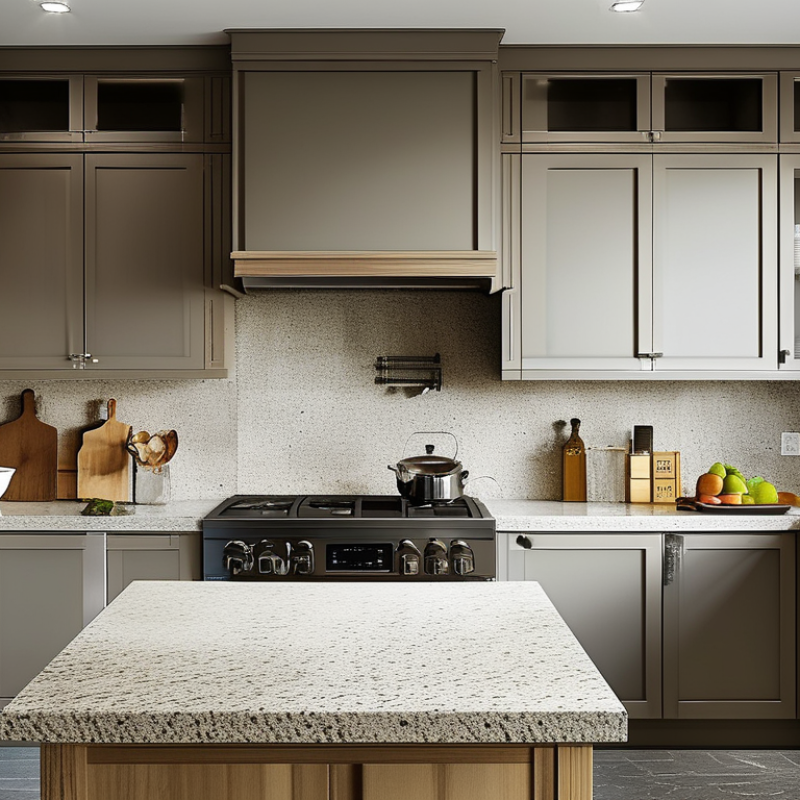
Best Materials for Kitchen Countertops in China
When choosing kitchen countertops in China, various materials stand out.
Quartz is popular for its durability.
It resists stains and scratches, making it practical for busy kitchens.
However, it can be heavy, requiring strong cabinetry support.
Granite is another favorite, known for its natural beauty.
Each slab is unique, adding character to your kitchen.
Yet, it requires regular sealing to prevent stains.
Marble is elegant but less durable.
Its soft surface is prone to scratching, so careful handling is essential.
Laminate offers a cost-effective alternative.
It's available in many colors and designs.
However, it may not last as long as stone materials.
Solid surface countertops are versatile and can be molded into sinks.
Still, they can be damaged by high heat.
Each material has its pros and cons, requiring thoughtful consideration.
Key Characteristics of Popular Kitchen Countertop Materials
When selecting kitchen countertops, durability and aesthetics matter. Natural stone options like granite and marble are popular. Granite boasts a hardness of 6 to 7 on the Mohs scale. This makes it resistant to scratches and heat. Marble, however, while stunning, is softer and can be prone to staining.
Engineered stone, such as quartz, has gained momentum due to its low maintenance. According to a recent industry analysis, 70% of homeowners prefer quartz for its non-porous surface. This means fewer bacteria and easier cleaning. However, some customers report issues with its susceptibility to heavy impacts.
Wood countertops offer a natural warmth, appealing to many. They require more upkeep, like regular oiling, to maintain their beauty. In a 2022 survey, 55% of users admitted to struggle with keeping wood surfaces in top shape. Understanding these aspects helps homeowners make informed choices tailored to their lifestyles and kitchen usage.
Comparative Analysis of Durability and Maintenance Requirements
When choosing materials for kitchen countertops, durability and maintenance are critical. Different surfaces offer unique benefits and challenges. For example, natural stone like granite is highly durable. However, it requires regular sealing to prevent staining. Neglecting this can lead to costly repairs.
Quartz is another popular choice. It is non-porous, making it resistant to stains. Yet, it can chip if not handled carefully. Users should be mindful that all materials will show wear over time. Wood countertops, while beautiful, need frequent maintenance to avoid scratches. Additionally, they absorb moisture and can warp if not cared for properly.
Laminate is a budget-friendly option. It resists stains but can be easily scratched or chipped. Homeowners should weigh these factors carefully. Each material has its strengths and weaknesses. Understanding these can better inform your choice for the ideal kitchen environment.
China Top 10 Best Materials for Kitchen Countertops - Durability and Maintenance Requirements
Design Aesthetics and Color Options for Kitchen Countertops
When it comes to designing a kitchen, the right countertop can make all the difference.
Aesthetics play a crucial role in creating a cohesive look. Different materials offer various colors and finishes, allowing homeowners to express their personal style.
For example, natural stone provides earthy tones that add warmth.
Meanwhile, sleek quartz can present a modern feel with its vibrant color range.
Color options vary widely from one material to another. Soft white or gray countertops can brighten up space, while darker hues create a dramatic contrast.
Patterns on granite or marble can serve as eye-catching features. Some imperfections in these natural stones can enhance character but may require a careful selection process to avoid overwhelming designs.
In addition to color, texture significantly influences design. Smooth, polished surfaces lend a contemporary touch, whereas rough textures evoke a rustic vibe.
Each material has its pros and cons; some may not hold up well against scratches or heat.
It’s essential to consider the long-term impact of these choices on functionality and appearance. Thoughtful exploration of these aspects can lead to a well-designed kitchen that balances form and function.
Cost Considerations and Budgeting for Kitchen Countertop Materials
When planning a kitchen renovation, the cost of countertops is a key factor. Materials vary widely in price, from budget-friendly laminate to high-end granite. Understanding your budget is crucial before making a selection.
Tips: Set a clear budget and stick to it. Compare costs for materials like quartz, marble, and butcher block at different retailers.
Installation costs may also vary based on the complexity of the material. For instance, quartz is easier to install compared to more delicate stone surfaces. Keep these considerations in mind to avoid unexpected expenses.
Consider long-term value. While granite may cost more upfront, its durability could save money over time. Don't shy away from used or remnant materials, which can lower costs significantly. Also, be open to imperfections in materials; unique patterns can add character to your kitchen.
China Top 10 Best Materials for Kitchen Countertops - Cost Considerations and Budgeting
| Material |
Cost per Square Meter (CNY) |
Durability (Years) |
Maintenance Level |
Heat Resistance |
| Granite |
800 - 3000 |
25+ |
Low |
Excellent |
| Quartz |
1200 - 4000 |
20+ |
Medium |
Good |
| Marble |
1000 - 5000 |
15+ |
High |
Fair |
| Laminate |
200 - 800 |
5-10 |
Medium |
Fair |
| Stainless Steel |
1200 - 3000 |
20+ |
Low |
Excellent |
| Concrete |
800 - 2500 |
20+ |
Medium |
Good |
| Soapstone |
1500 - 4000 |
50+ |
Low |
Good |
| Wood |
1000 - 3000 |
10-15 |
High |
Fair |
| Solid Surface |
800 - 2200 |
10-20 |
Medium |
Good |
| Recycled Glass |
1500 - 3500 |
25+ |
Medium |
Good |
FAQS
: Natural stone, like granite, is durable but requires regular sealing to prevent stains.
Quartz is non-porous and stain-resistant but can chip easily. Proper handling is essential.
Wood looks beautiful but requires frequent care. It can get scratched and may warp with moisture.
Laminate is budget-friendly and resists stains, but it can be scratched or chipped easily.
Set a clear budget and compare costs across different materials and retailers.
Yes, installation can vary. Quartz is easier to install compared to more delicate stone materials.
Granite costs more initially but is durable, potentially saving money on repairs in the long run.
Yes, used or remnant materials can lower costs. Unique patterns can also add character.
Every countertop material will exhibit signs of wear. Regular maintenance is key to prolonging their life.
Yes, embracing imperfections can lead to unique kitchen designs. They add charm but require acceptance of flaws.
Conclusion
When considering what is the best material for kitchen countertops, a variety of factors come into play. The best materials available in China include natural stones like granite and marble, engineered stones such as quartz, and other options like laminate or solid surface materials. Each material has unique characteristics; for instance, granite offers durability and a luxurious aesthetic, while laminate is budget-friendly and easy to maintain.
In addition to durability and maintenance concerns, design aesthetics play a crucial role in selecting countertop materials, with many options available in different colors and finishes to match any kitchen design. Cost is also a significant consideration, as pricing can vary widely across different materials, making it essential for homeowners to budget accordingly. Ultimately, choosing the best kitchen countertop material depends on individual needs for aesthetics, functionality, and cost.

 Rock Stone