Top Tips on How to Decorate Commercial Spaces With Tiles

Time:2026-10-28 Author:Oliver
0%

How to decorate commercial spaces with tiles requires more than selecting an attractive color or fashionable pattern. It demands decisions about movement, maintenance, lighting, acoustics, and brand identity. In a hotel lobby, large-format porcelain can create calm, continuous floors with fewer grout lines. In a busy café, textured tiles can improve visual warmth, but excessive texture may trap dirt. Small decisions become operational costs.

Grand View Research valued the global ceramic tiles market at approximately $227 billion in 2023. Its market analysis also identifies commercial construction as a major demand driver. Dodge Construction Network’s World Green Building Trends research highlights the growing importance of durable, resource-conscious design. These findings support tile’s commercial relevance, but they do not guarantee a successful interior. Performance still depends on correct specifications, qualified installation, and realistic cleaning routines.

David Rockwell, a leading commercial architect, offers a useful reminder: “Design is not just what it looks like and feels like. Design is how it works.” That principle shapes every recommendation in this guide. Choose slip resistance near entrances, abrasion ratings for heavy traffic, and contrasting tones where wayfinding matters. Consider how afternoon sunlight changes a polished surface. Think about chairs scraping across the floor.

Some choices will fail in practice. A dramatic mosaic may overwhelm a narrow corridor. A pale grout may age badly beside a restaurant counter. This guide explores practical ways to balance visual character with safety, durability, accessibility, and long-term value. The goal is not perfection. It is a commercial space that still performs beautifully after thousands of footsteps.
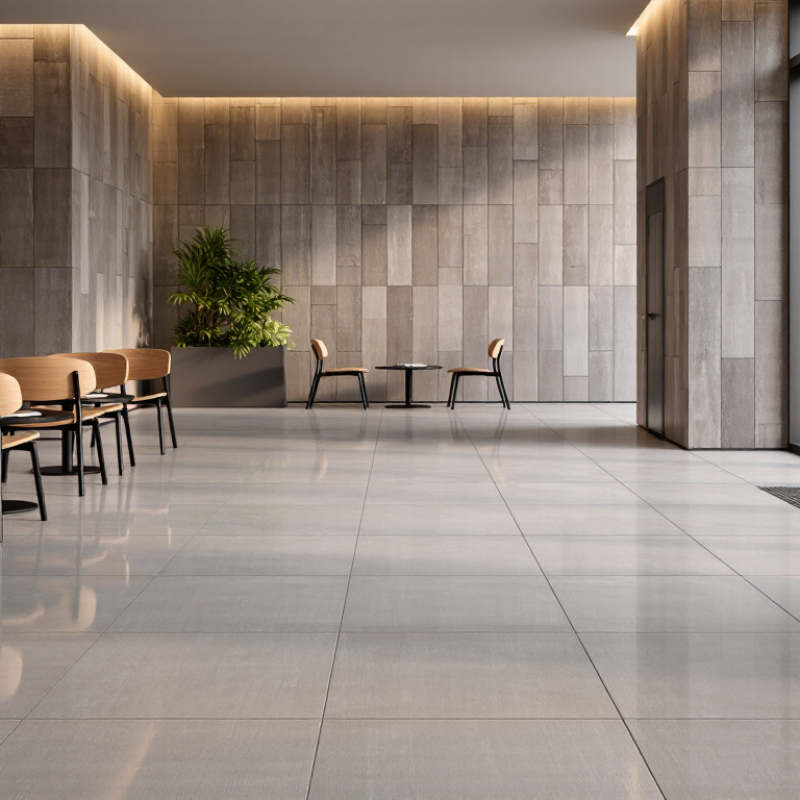
Top Tips on How to Decorate Commercial Spaces With Tiles

Assessing Commercial Space Needs Before Choosing Tile Designs

Top Tips on How to Decorate Commercial Spaces With Tiles

Assessing commercial needs should come before selecting tile colors or patterns. The U.S. Energy Information Administration reported 6.8 million commercial buildings in its 2018 CBECS survey. Together, they covered 97 billion square feet. Each setting performs differently. A busy café needs stain resistance and fast cleaning. A clinic needs low-porosity surfaces and careful hygiene planning. A reception area may prioritize visual impact, but durability still matters. Beautiful samples can fail under rolling carts, wet shoes, or constant foot traffic.

Start with a practical site assessment. Record peak visitors, trolley movement, moisture exposure, cleaning chemicals, and maintenance access. Consider slip resistance near entrances and washrooms. Also review acoustics, because hard tile can amplify footsteps and conversation. The WELL Building Standard emphasizes healthier indoor environments, including materials and acoustic comfort. Yet tile specifications alone cannot solve poor ventilation or weak cleaning routines. That is an easy detail to overlook.

Tips: Create a room-by-room tile brief before comparing designs. Include use, traffic level, cleaning frequency, joint width, and replacement access. Request tested performance data, not only appearance photos. The Tile Council of North America publishes standards covering ceramic tile installation and performance. Use those references with local building requirements. I would also test a full-size mock-up for one week. It may reveal glare, dirt visibility, or an awkward pattern. Small corrections are cheaper before installation.

Selecting Tile Materials for Traffic, Safety, and Business Functions

Commercial tile selection should begin with movement, not color. A reception floor may handle rolling luggage, wet shoes, and constant foot traffic. Porcelain usually offers strong durability and low water absorption for these demands. However, dense tile can feel cold and echoing without acoustic treatments nearby.

Safety comes first. Choose textured surfaces for entrances, washrooms, and food-service areas where water or grease may appear. Avoid overly rough finishes in corridors, because wheelchairs and carts can become harder to move.

Check slip-resistance data from the supplier, not just a glossy sample. Lighting also changes perception; a pale polished tile may create glare near large windows.

Tips: Divide the space by business function before choosing patterns. Use durable, stain-resistant surfaces near service counters. Select warmer textures for waiting areas. Plan wider grout joints only when cleaning teams can maintain them properly. Dark grout hides dirt, but it can make a small lobby look visually heavy.

I once approved a beautiful textured tile for a busy corridor, then noticed its deep grooves trapped dust. The material was safe, but maintenance became inefficient. That mistake taught me to test samples under real conditions. Drag a loaded cart across them. Spill water. Inspect the surface after cleaning. Also reserve matching replacement tiles, because commercial repairs rarely happen at convenient times. Tile decisions should support staff routines, customer comfort, and long-term operating costs.

Planning Color, Pattern, and Layout for a Cohesive Interior

Commercial tile design should begin with the room’s purpose, traffic, and natural light. Color, pattern, and layout must support daily movement, not compete with it. A busy restaurant may benefit from muted floor tiles and a stronger wall pattern. A clinic usually needs calmer colors and clear visual transitions. Keep it practical.

Request physical samples and view them under the space’s actual lighting. Warm gray can appear beige beside wood, while cool white may feel harsh under blue LEDs. Use one dominant color, one supporting tone, and a small accent. Too many choices create visual noise. Grout color also matters. Matching grout creates a quiet surface, while contrast highlights every joint.

Tips: Build a full-size sample board before installation. Test the pattern beside doors, counters, and furniture. Plan tile direction with the room’s sightlines; long lines can make narrow corridors feel more open. Large formats reduce grout lines, but they require flatter surfaces and careful installation. A smaller tile may suit curved walls or detailed thresholds better.

I once assumed a bold geometric floor would energize a reception area. In the finished space, it distracted from signage and felt smaller than expected. A restrained border would have worked better. Review the layout from standing height, not only from a drawing. Leave access points, cleaning routes, and future repairs visible in the plan. Some imperfection is useful. A design that looks beautiful but ages poorly is not cohesive.

Top Tips on How to Decorate Commercial Spaces With Tiles

Planning color, pattern, and layout for a cohesive interior

Tile format affects visual rhythm and installation planning. The chart compares the face area of common tile sizes, calculated from width × length. Larger formats create fewer visible grout lines, while smaller formats support more detailed patterns and zoning.

Applying Tile Installation Methods for Durable Commercial Surfaces

Top Tips on How to Decorate Commercial Spaces With Tiles

Applying Tile Installation Methods for Durable Commercial Surfaces

Durable commercial tile work begins with the substrate, not the tile. Check moisture, flatness, and cracks before mixing adhesive. Large tiles need tighter tolerances. Uneven floors can create hollow spots, lippage, and early breakage. A 3-metre straightedge is useful for revealing high and low areas. Correct the surface before installation.

Follow the tile manufacturer’s technical instructions and relevant ANSI standards. In wet commercial interiors, select surfaces tested for slip resistance. ANSI A326.3 uses a minimum wet dynamic coefficient of friction of 0.42 for many level interior areas. Treat this as a selection guide, not a guarantee. Cleaning chemicals, grease, and poor footwear can still increase risk. Movement joints should continue through the tile assembly and align with structural joints. Never fill them with rigid grout.

Layout planning also reduces waste. The latest U.S. Environmental Protection Agency construction and demolition debris report records about 600 million tons of debris generated annually in the United States. Accurate takeoffs, dry layouts, and sensible cutting can limit discarded material. Keep spare tiles for future repairs. They may become difficult to match later. A site mock-up is valuable, but it can create false confidence if lighting and traffic differ. Review grout width, edge transitions, drainage, and cleaning routines with facility staff before approval. Small omissions become expensive after opening.

Maintaining Commercial Tilework for Long-Term Appearance and Performance

Commercial tilework must handle foot traffic, spills, rolling carts, and constant cleaning. Its appearance depends on maintenance, not decoration alone. A practical care plan starts with daily dust removal. Fine grit acts like sandpaper under shoes and slowly dulls glazed surfaces.

Use a pH-neutral cleaner suited to the tile and grout. Strong chemicals can discolor grout or weaken protective treatments. Test any cleaner in a hidden corner first. Small details matter. Clean spills quickly, especially near entrances and food-service areas. Place absorbent mats inside doorways, but inspect them often. Trapped moisture can stain grout and create slip risks.

Inspect floors, walls, and joints every month. Look for cracked tiles, hollow sounds, loose edges, and dark grout lines. Repairing one damaged tile early usually prevents wider disruption. Keep spare tiles from the original installation when possible. Matching an older surface later may be difficult. I have seen maintenance teams scrub harder when the real problem was failed grout. That approach wastes time and may worsen the finish.

Schedule deeper cleaning according to traffic levels, not a fixed calendar alone. Busy corridors may need attention every few months. Quiet offices may need less frequent treatment. Record products, dates, damaged areas, and repairs. These notes help facility teams identify recurring moisture or drainage problems. Maintenance plans are rarely perfect. Review them after seasonal weather changes, tenant complaints, and unusual spills.

Top Tips on How to Decorate Commercial Spaces With Tiles - Maintaining Commercial Tilework for Long-Term Appearance and Performance
Commercial Area Recommended Tile Characteristics Design and Decoration Tip Maintenance Frequency Routine Care Performance Check
Entrance and Lobby Porcelain or other dense, low-absorption tile; textured or matte surface; slip resistance appropriate for wet conditions. Use larger formats and coordinated border bands to create a spacious appearance while limiting grout joints. Sweep or vacuum daily; damp-clean daily in heavy traffic; inspect weekly. Remove grit promptly, use clean water, and place absorbent entrance mats where suitable. Check for loose tiles, chipped edges, worn grout, and slippery residue.
Retail and Showroom Floors Abrasion-resistant porcelain with a finish suited to expected foot traffic; consistent thickness for even transitions. Combine neutral floor tones with a feature wall or contrasting aisle band to guide customer movement. Clean daily; spot-clean spills immediately; inspect monthly. Use a neutral cleaner approved for the tile type and avoid abrasive pads that can dull the surface. Monitor visible wear paths, staining, lippage, cracked tiles, and damaged movement joints.
Restaurants and Cafés Low-porosity tile with a cleanable, slip-resistant surface; stain-resistant grout is useful in food and beverage areas. Use a restrained pattern on the floor and reserve decorative mosaics for splashbacks or service counters. Remove food and grease after each service period; deep-clean weekly; inspect grout monthly. Use a cleaner suitable for grease removal, rinse thoroughly, and do not allow standing water to remain. Check for grease film, discolored grout, pooling water, and loss of slip resistance.
Washrooms and Wet Areas Water-resistant tile system with suitable slip resistance; use compatible grout and flexible sealant at changes of plane. Light-colored wall tile can improve perceived brightness; use darker accent strips below eye level to reduce visible splash marks. Clean daily; remove scale weekly; inspect sealant and grout every three months. Dry surfaces where practical, keep drains clear, and use a compatible descaling product when required. Look for mold, cracked grout, failed sealant, loose tiles, and signs of water penetration.
Healthcare and Care Facilities Dense, non-absorbent tile with smooth but appropriately slip-resistant surfaces and easily cleanable joints. Use low-contrast patterns in circulation areas to support clear wayfinding and reduce visual distraction. Follow the facility cleaning protocol; inspect high-contact and high-traffic zones weekly. Use only approved disinfectants and observe the required contact time without mixing chemicals. Record cracks, open joints, uneven transitions, staining, and areas that cannot be effectively cleaned.
Office Corridors and Common Areas Hard-wearing porcelain or ceramic tile selected for the expected traffic level; use compatible transition profiles. Align grout lines with doorways and architectural features to produce a more orderly visual rhythm. Sweep daily; damp-clean two to five times per week depending on traffic; inspect quarterly. Keep cleaning equipment in good condition and remove sand or grit before wet mopping. Check transitions, expansion joints, grout erosion, and repeated impact damage.
Outdoor Walkways and Covered Terraces Exterior-rated, frost-resistant tile where applicable; textured surface; installation must provide adequate drainage and movement accommodation. Use a restrained color palette and directional layouts to visually connect indoor and outdoor areas. Sweep weekly or as needed; inspect before and after severe weather; clean seasonally. Clear leaves and debris, prevent blocked drains, and use cleaning products suitable for exterior surfaces. Check frost damage, standing water, cracked grout, movement joints, and surface slipperiness.
Maintenance note: Always follow the tile and grout manufacturer’s care instructions, test cleaning products on an inconspicuous area first, and repair damaged joints or loose tiles promptly to prevent moisture intrusion and trip hazards.

FAQS

What should businesses assess before choosing commercial tiles?

Review visitor numbers, cart movement, moisture, cleaning chemicals, and maintenance access. Test the site honestly.

Which tile qualities matter in busy commercial areas?

Choose durable, stain-resistant, low-absorption surfaces for heavy traffic and frequent spills. Rolling carts expose weak materials quickly.

How should tile choices vary by room function?

Entrances need slip resistance. Washrooms need moisture control. Waiting areas may need warmer textures and quieter finishes.

How can businesses reduce slipping risks?

Select textured surfaces where water, grease, or wet shoes are common. Avoid extremely rough floors in corridors, because carts and wheelchairs may become difficult to move.

Why should acoustics influence tile selection?

Hard surfaces can amplify footsteps and conversations. Add suitable acoustic treatments when tile creates excessive echo.

Should businesses test tile samples before installation?

Yes. Create a full-size mock-up and inspect it for one week. Drag a loaded cart. Spill water. Check glare, dirt, and cleaning effort.

What maintenance routine helps commercial tilework last longer?

Remove fine grit daily because it can dull glazed surfaces. Clean spills quickly and use a suitable neutral cleaner.

How often should commercial tilework be inspected?

Inspect floors, walls, and joints monthly. Look for cracks, hollow sounds, loose edges, and dark grout lines.

Why should businesses keep spare tiles?

Matching older tiles later can be difficult. Store replacement pieces from the original installation whenever possible.

How can maintenance plans improve over time?

Record cleaning dates, products, damaged areas, and repairs. Review the plan after weather changes or unusual spills. Plans are never perfect.

Conclusion

Learning how to decorate commercial spaces with tiles begins with understanding the purpose, size, traffic level, and atmosphere of the space. Offices, retail stores, restaurants, and public facilities may each require different tile qualities, so material selection should consider durability, slip resistance, cleaning needs, and safety. Colors, patterns, tile sizes, and layout should work together to create a cohesive interior that supports the business identity without overwhelming customers or employees. Thoughtful transitions and accent areas can also help define zones and improve the overall flow of the space.

Professional installation is essential for creating stable, long-lasting commercial surfaces. Proper subfloor preparation, accurate spacing, suitable adhesives, and carefully planned movement joints can reduce cracking, lifting, and uneven surfaces. After installation, regular sweeping, prompt spill removal, appropriate cleaning products, and periodic inspection help preserve both appearance and performance. With careful planning, suitable materials, skilled installation, and consistent maintenance, tilework can provide a practical, attractive, and durable foundation for successful commercial environments.

Oliver

Oliver

Oliver is a seasoned marketing professional with a wealth of expertise in driving brand awareness and engagement. With a deep understanding of our company's product offerings, he consistently delivers high-quality content that enriches our professional blog. His insights not only shed light on......