Can Tiles Be Used Outdoors for Your Next Project?

Time:2026-05-09 Author:Ethan
0%

In recent years, outdoor living spaces have gained immense popularity. Homeowners increasingly ask, "can tiles be used outdoors?" The demand for durable and aesthetically pleasing materials is on the rise. According to the National Association of Home Builders, nearly 75% of homeowners invest in outdoor enhancements, highlighting the importance of choosing the right materials.

Industry expert Mark Johnson, a renowned architect, emphasizes the significance of tile selection. He states, “Using the right tiles can enhance outdoor spaces while ensuring longevity.” Durable outdoor tiles must withstand weather elements and foot traffic. Many tiles meet these criteria, ranging from porcelain to natural stone.

However, not all tiles are equal. Some might face challenges like moisture retention or fading. Homeowners should consider professional guidance. The choice of outdoor tiles can transform a space but requires careful thought and evaluation. The question remains, can tiles be used outdoors effectively? With the right approach and quality materials, the answer is a resounding yes.
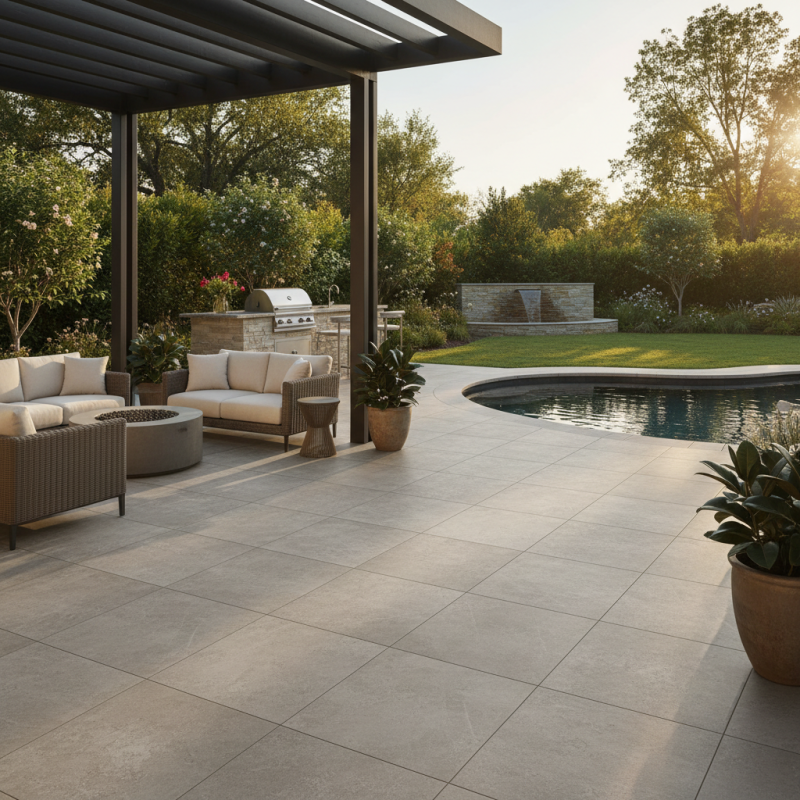
Can Tiles Be Used Outdoors for Your Next Project?

Understanding the Durability of Tiles for Outdoor Use

When considering tiles for outdoor use, durability is crucial. Outdoor environments often vary in temperature and weather conditions. Therefore, it is essential to choose tiles that can withstand these factors. Look for materials that have high resistance to water, frost, and UV exposure. Porcelain tiles are often recommended for their strength and low absorption rates.

Tip: Always check the PEI (Porcelain Enamel Institute) rating. A higher rating indicates better resistance to scratching and wear. This is vital if children or pets frequently use the outdoor area.

Another point to consider is texture. Smooth tiles can become slippery when wet. Opt for textured surfaces that provide better grip. This choice not only enhances safety but can also add aesthetic appeal to your outdoor space.

Tip: Think about maintenance too. Some tiles require more upkeep than others. Choosing tiles that are easier to clean will save you time and effort over the years. Reflect on how often you are willing to maintain your tiles before making a decision.

Types of Tiles Suitable for Outdoor Environments

When considering outdoor projects, choosing the right tile is essential. The ideal tiles should withstand various weather conditions while also offering aesthetic appeal. Ceramic and porcelain tiles are popular choices for outdoor applications. These materials provide durability and resistance to moisture. According to industry reports, over 60% of homeowners prefer porcelain for outdoor patios due to its low water absorption rate.

Natural stone tiles present another option. They offer unique, rugged beauty and can withstand heavy foot traffic. However, they require more maintenance compared to ceramic tiles. It is estimated that 70% of projects using natural stone experience issues with sealing and weather resistance. Thus, careful selection and installation are crucial.

Glass tiles are suitable for pool areas or decorative accents. They reflect light beautifully and are often used for artistic designs. Yet, their slippery surfaces can pose safety concerns. Do you want to prioritize safety or aesthetics? Assessing your needs is vital before making a choice. Considering these factors ensures that your outdoor space remains beautiful and functional for years to come.

Types of Tiles Suitable for Outdoor Environments

Installation Considerations for Outdoor Tile Projects

Outdoor tile projects come with unique installation considerations. Choosing the right tile is crucial since not all tiles are suitable for outdoor use. Porcelain and natural stone tiles can be excellent choices. They are durable and resistant to harsh weather conditions. The surface texture also plays a role in preventing slips, which is vital for safety.

Proper preparation of the substrate is essential. A solid foundation helps prevent cracking and shifting over time. If the area has a lot of moisture, drainage must be considered. An incorrect angle can lead to water pooling and damage. It's often overlooked but can be very detrimental to the longevity of the installation.

Grout selection is another area where one can reflect. Using the right grout helps keep tiles firmly in place. However, outdoor grout can be prone to staining. Regular maintenance is necessary to keep surfaces looking good. While the installation may seem straightforward, minor miscalculations can lead to significant issues later. Always consider local climate conditions during planning.

Maintenance Tips for Outdoor Tile Surfaces

When choosing tiles for outdoor projects, maintenance plays a crucial role. Outdoor surfaces endure varying weather conditions. Rain, snow, and sunlight can impact the durability of tiles. Regular maintenance helps in preserving their appearance and longevity.

Cleaning tiles regularly is essential to prevent dirt buildup. A simple mixture of water and mild detergent can work wonders. Use a soft brush to gently scrub the surface. Avoid harsh chemicals, as they can damage the tile finish. Sealing tiles is another vital step. A good sealant protects against stains and moisture. It can also enhance the color and texture of the tiles.

While tiles can offer durability, they can crack under extreme temperature changes. Choosing suitable tiles for specific climates is important. Periodic inspections can help identify cracks or chips early on. Addressing these issues promptly can prevent larger problems down the road. Outdoor tiles require careful planning and commitment to maintenance.

Common Challenges When Using Tiles Outdoors

When considering tiles for outdoor projects, various challenges emerge. One significant issue is weather resistance. Outdoor tiles need to withstand heat, rain, and frost. Many tiles that work well inside may not perform equally outside. It’s essential to choose materials resistant to temperature changes and moisture.

Another challenge is slip resistance. Wet tiles can become dangerously slippery. This is especially concerning around pools or in rain-prone areas. Selecting tiles with a textured surface can enhance safety. However, some textured options may require more cleaning and maintenance over time.

Installation can present its own hurdles. Outdoor environments often have uneven surfaces that complicate the tile layout. Additionally, proper drainage must be considered to avoid pooling water. Without proper planning, tiles may crack or come loose. Reflecting on these challenges can help in making informed decisions for outdoor tiling projects.

FAQS

: What are the key factors to consider when choosing outdoor tiles?

: Durability, water resistance, frost resistance, and UV exposure are essential. Choose tiles that can withstand weather conditions.

Why is the PEI rating important for outdoor tiles?

A higher PEI rating indicates better resistance to scratching and wear. It's crucial for areas with children or pets.

What type of surface is safer for outdoor tiles?

Textured surfaces provide better grip. Smooth tiles can be slippery when wet, which poses safety risks.

How does maintenance impact outdoor tiles?

Regular maintenance helps preserve appearance and longevity. Consider how much time you are willing to spend on upkeep.

What are the advantages of porcelain tiles for outdoor use?

Porcelain tiles have low water absorption and offer durability. They are a popular choice for outdoor patios.

Are natural stone tiles a good option for outdoor use?

Yes, but they require more maintenance and can have sealing issues. Proper installation is key to avoid problems.

Can glass tiles be used outdoors?

Glass tiles can add beauty and are great for pools, but they can be slippery. Consider safety when choosing.

How can I clean outdoor tile surfaces effectively?

Use a mixture of water and mild detergent. A soft brush helps avoid damage to the tile finish.

What should I do if outdoor tiles start to crack?

Inspect regularly and address cracks early. Prompt action can prevent larger issues and further damage.

Why is sealing important for outdoor tiles?

Sealing protects against stains and moisture while enhancing color and texture. It helps maintain the surface over time.

Conclusion

When considering whether "can tiles be used outdoors," it's essential to evaluate their durability and suitability for various outdoor conditions. Certain types of tiles, such as porcelain and ceramic, are designed to withstand elements like moisture and temperature fluctuations, making them ideal for patios, walkways, and gardens. Proper installation is crucial, as it ensures the tiles remain secure and functional over time.

Maintenance also plays a significant role in the longevity of outdoor tiles. Regular cleaning and the application of sealants can prevent staining and damage. Additionally, it's important to be aware of common challenges, such as cracking due to freeze-thaw cycles or unlevel surfaces. By understanding these factors, homeowners can effectively incorporate tiles into their outdoor projects, enhancing both aesthetics and usability.

Ethan

Ethan

Ethan is a seasoned marketing professional with a deep expertise in our company's innovative product line. With a passion for sharing knowledge and insights, he takes the lead in regularly updating our corporate blog, where he explores industry trends, product features, and effective marketing......