In today's kitchen and interior design trends, choosing the right materials is crucial. Many homeowners wonder, "are sintered stone slabs heat resistant?" These slabs are recognized for their durability and aesthetic appeal. However, understanding their heat resistance is essential for safe usage.
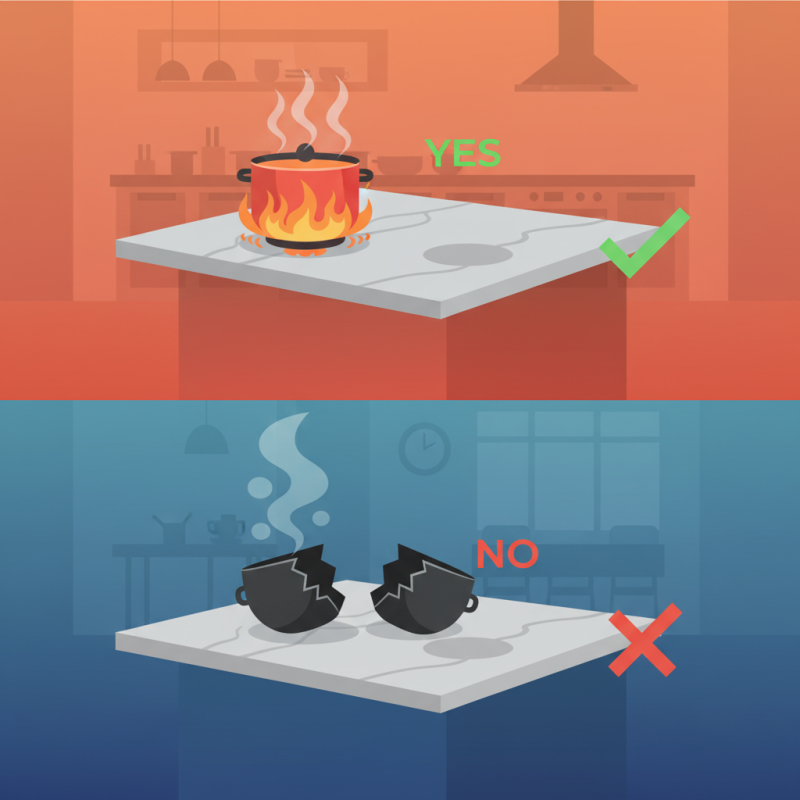
Sintered stone is created through extreme heat and pressure. This process results in a dense, non-porous surface. But does this mean they can withstand any level of heat? The answer isn't straightforward. While sintered stone does resist high temperatures, it's important to consider the specific conditions in your home. Hot pots, pans, or direct flame may affect the surface over time.
There are benefits and limitations to consider. While you may love the look of sintered stone, heat exposure requires caution. Hot items can leave marks, and excessive heat may cause damage. Reflecting on these elements will help ensure your choice meets your needs effectively.
Understanding Sintered Stone Slabs and Their Composition
Sintered stone slabs are gaining popularity for various applications. Their composition plays a crucial role in their properties. These slabs are made from natural materials, including clay, silica, and minerals. The raw materials undergo a process of high-pressure and high-temperature sintering. This creates a durable surface that mimics natural stone.
When considering heat resistance, it’s important to note the way sintered stone is produced. However, extreme temperatures can affect their integrity. While they resist heat better than other materials, caution is crucial. It’s wise to avoid placing hot pans directly on these surfaces. Even with their durability, some users report concerns about scratching and staining.
Sintered stone can be a reliable choice for countertops and flooring. Users appreciate the range of designs available. Many find them aesthetically pleasing and versatile. Nonetheless, thorough research is advisable before making a choice. Weighing the pros and cons based on your specific needs ensures you make an informed decision.
Evaluating the Heat Resistance of Sintered Stone Slabs
When considering sintered stone slabs, their heat resistance is a crucial factor. These slabs are crafted from natural stone materials and undergo a high-temperature process. This treatment enhances their durability and resistance to heat. Typically, sintered stone can withstand temperatures up to 1200 degrees Fahrenheit. This makes them suitable for kitchen countertops and surfaces exposed to heat.
However, individual needs may vary. If you frequently use your kitchen for high-heat cooking, it’s wise to test the specific product you plan to use. Checking heat resistance ratings can help you make an informed choice. Remember, while sintered stones are heat-resistant, sudden temperature changes can still cause issues.
Tips: Always use trivets or hot pads under cookware. This can prevent unexpected thermal shock. Regular maintenance, like sealing, can also help maintain the integrity of the surface. Be cautious with direct exposure to very high temperatures.
Ultimately, choosing the right sintered stone slab requires understanding its limitations. Not all stones are created equal. Research and consult with experts to ensure it meets your heat resistance needs.
Factors Affecting Heat Resistance in Sintered Stone Slabs
When considering sintered stone slabs, heat resistance is a crucial factor. The composition of the material plays a significant role. Sintered stone is made from natural raw materials subjected to high temperatures. However, not all slabs are created equal. Variations in the manufacturing process can influence their ability to withstand heat.
The thickness of the slab is another important aspect to consider. Thicker slabs often offer better heat resistance. Conversely, thinner slabs may warp or crack under sudden temperature changes. Additionally, the finish of the stone can affect its heat tolerance. A polished finish may reflect heat better than a rougher texture. This can lead to a selection process that requires careful examination.
It’s essential to assess the intended use of the slabs. Prolonged exposure to high temperatures may exceed the material’s limits. Cooking and baking areas present unique challenges. Potential users should also be aware of adjacent materials that could contribute to heat transfer. Understanding these nuances helps make informed decisions for durable and functional spaces.
Applications and Limitations of Sintered Stone in High-Heat Areas
Sintered stone is gaining popularity as a durable surface material. It offers a sleek look and is resistant to scratches and stains.
However, when it comes to high-heat applications, it has its limitations. Many kitchen enthusiasts are drawn to its
aesthetic appeal, but its heat resistance may not meet every need.
In cooking areas, especially around stoves or ovens, caution is crucial.
Placing hot pots directly on sintered stone can lead to cracks or discoloration. While it withstands moderate heat well, sudden temperature changes can challenge its integrity.
This can be a concern for avid cooks who frequently use high-temperature methods.
Furthermore, understanding the heat tolerance of sintered stone is essential for installation.
In outdoor kitchens or fire pits, the heat generated may surpass its limitations. Some homeowners might overlook this factor when designing their spaces.
Overall, while sintered stone has many advantages, careful consideration of its heat resistance is vital in high-heat applications.
Maintenance Tips for Ensuring Longevity of Sintered Stone Surfaces
Sintered stone surfaces are a blend of durability and elegance, making them popular for kitchens and bathrooms. However, maintaining their quality is key to ensuring longevity. Regular care is essential. Here are some maintenance tips to keep your surfaces in top shape.
First, clean spills immediately. Avoid harsh cleaners, as they can damage the surface. Instead, use gentle soap and warm water. For tougher stains, a mixture of baking soda and water can be effective. Scrub gently with a soft cloth.
Another tip involves sealing the surface. An appropriate sealant can protect against moisture and stains. But remember, sealing is not a one-time task. Regular resealing is necessary to maintain protection. Check the manufacturer's guidelines for the best schedule.
Lastly, prevent heavy impacts. Sintered stone is resilient, but it can chip if something heavy falls. Using cutting boards and trivets can protect the surface. It’s easy to overlook these small habits, but they greatly impact the lifespan of your investment. Taking these steps can help you enjoy your sintered stone surfaces for many years to come.
Heat Resistance of Sintered Stone Slabs
This bar chart illustrates the heat resistance performance of sintered stone slabs at varying temperatures. As temperatures increase, the performance decreases, indicating that while sintered stone is heat resistant, it has its limits. Regular maintenance and understanding these thresholds can help ensure the longevity of sintered stone surfaces.
FAQS
: The composition and manufacturing process of the material significantly influence heat resistance levels.
Yes, thicker slabs generally provide better heat resistance than thinner ones.
A polished finish may reflect heat better than a rough texture, improving heat tolerance.
Prolonged exposure to high temperatures could exceed the material’s limits, leading to damage.
Clean spills immediately using gentle soap and warm water to avoid damaging the surface.
Regular resealing is required; follow the guidelines for the best protection and maintenance.
While resilient, sintered stone can chip easily if struck by heavy objects.
Using cutting boards and trivets prevents damage from heavy impacts and spills.
No, harsh cleaners can damage the surface; gentle products are recommended for maintenance.
Knowing how adjacent materials affect heat transfer helps ensure durability and functional spaces.
Conclusion
Sintered stone slabs have gained popularity for their durability and aesthetic appeal, but a critical question often arises: are sintered stone slabs heat resistant? Understanding their composition is key, as these slabs are created under intense heat and pressure, which contributes to their inherent strength. When evaluating their heat resistance, it's essential to consider factors such as the specific material composition and the conditions they are exposed to in various applications.
While sintered stone is known for its ability to withstand moderate heat, there are limitations when used in high-heat areas like kitchen countertops or fireplaces. Proper maintenance can enhance the longevity of these surfaces, ensuring they remain both functional and visually appealing over time. Ultimately, assessing the intended use and environments for sintered stone slabs can guide users in determining if they meet their heat resistance needs.

 Rock Stone