Sintered stone slabs have become increasingly popular in recent years. Consumers are seeking durable, versatile surfaces for various applications. This trend raises the question: why are sintered stone slabs popular?
One of the main reasons is their durability. These slabs resist scratches, heat, and stains. Homeowners appreciate materials that can withstand daily wear and tear. Additionally, they are available in a variety of colors and finishes, appealing to diverse design preferences. This versatility allows architects and designers to create unique spaces.
Another aspect to consider is sustainability. Many companies produce sintered stone using eco-friendly methods. This focus on the environment resonates with today’s conscious consumers. However, while these slabs offer numerous advantages, potential buyers should also reflect on their specific needs. Choosing the right material requires careful consideration. Not every project may benefit from sintered stone, and understanding its limitations is essential.
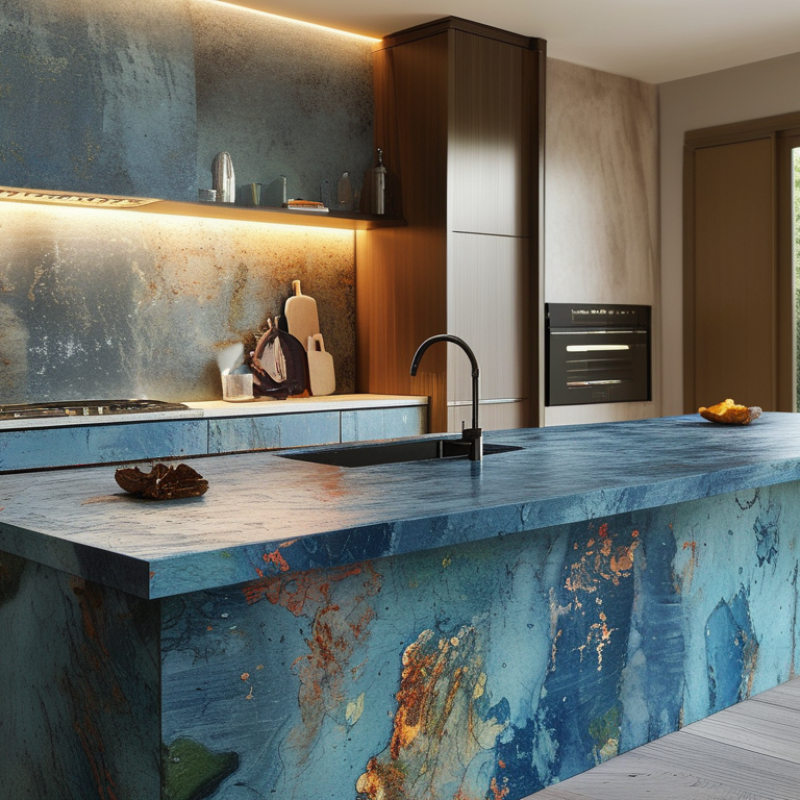
The Rising Demand for Sintered Stone Slabs in Interior Design
Sintered stone slabs are transforming interior design. Their versatility suits a wide range of styles. From sleek kitchens to elegant bathrooms, these slabs are making a mark. Designers appreciate their aesthetic quality and functional resilience.
The demand for sintered stone reflects a growing desire for durability and beauty. Homeowners want materials that last. Sintered stone's resistance to heat, stains, and scratches makes it appealing. Unlike traditional materials, it offers a seamless look that enhances sophistication. However, some designers note that installation can be challenging. It requires skilled labor for best results.
Sustainability is becoming essential in design choices. Sintered stone is often made from natural and recycled materials. This aligns with eco-friendly practices many seek today. Yet, the market is still catching up on education. Clients may not fully understand the benefits. Ongoing awareness will help bridge this gap.
Key Benefits of Sintered Stone: Durability and Low Maintenance
Sintered stone is becoming increasingly popular worldwide. This material stands out for its impressive durability and low maintenance needs. Homeowners and designers alike appreciate its ability to withstand high temperatures and resist scratches. A kitchen countertop made from sintered stone can handle hot pans without any damage, offering both beauty and functionality.
Another key advantage of sintered stone is its resistance to stains. This quality is crucial for areas like kitchens and bathrooms. Spills can occur anytime, yet sintered stone requires minimal effort to clean. A simple wipe with a damp cloth is often all it takes. However, it's important to note that while sintered stone is durable, improper care can still lead to issues. Regular cleaning and avoiding harsh chemicals will extend its lifespan.
Aesthetic versatility is another reason for its rise in popularity. Sintered stone comes in various colors and textures, mimicking natural stones or unique patterns. This adaptability makes it suitable for a wide range of designs.
People often feel overwhelmed when choosing the right style. Taking time to explore different options can make a significant difference in achieving the desired look.
Market Trends: Growth Rate of the Sintered Stone Industry
Sintered stone slabs are making waves in the global market. Their unique properties are driving remarkable growth in the industry. The natural look combined with high durability appeals to both homeowners and designers. It's a material that manages to blend aesthetics with functionality. As a result, market demand has surged, offering significant opportunities for manufacturers.
Recent trends indicate a steady increase in production and sales. This shift reflects a growing preference for sustainable and versatile building materials. Notably, sintered stone is gaining traction in both residential and commercial applications. However, there are challenges to address. Some consumers remain skeptical about the material's performance over time. The market must work on clear communication to build trust.
Investing in education around sintered stone can mitigate concerns. Professionals in the industry need to provide data on longevity and maintenance. By sharing real-world experiences, they can demonstrate the material's benefits. Transparency will bolster confidence and foster growth in this promising sector.
Applications of Sintered Stone in Residential and Commercial Spaces
Sintered stone slabs are revolutionizing both residential and commercial spaces. Their versatility sets them apart. These slabs can mimic natural materials while offering durability and resilience. Data from the Global Sintered Stone Market report indicates a 15% growth rate in demand. Such growth highlights the increased acceptance of these materials across various applications.
In residential settings, homeowners appreciate their aesthetic appeal. Sintered stone works well for countertops, flooring, and wall cladding. They withstand scratches and stains, making them ideal for busy kitchens. A study by the Interior Design Association noted that 60% of designers prefer these slabs for their projects. This suggests a shift in design trends favoring sustainable and long-lasting materials.
Commercial spaces also benefit significantly. Retailers are choosing sintered stone for flooring due to its high foot traffic resistance. According to the Commercial Building Materials Journal, a key benefit is the ability to customize designs. This allows businesses to create unique environments. However, the initial investment can be a hurdle. Some companies might hesitate, fearing high costs. As sintered stone gains popularity, the industry must address concerns about pricing to maximize its potential.
Sustainability Aspects of Sintered Stone: Eco-Friendly Advantages
Sintered stone slabs are becoming increasingly popular around the globe, especially for their eco-friendly features. These slabs are made from natural materials, reducing environmental impact during production. Unlike other surfaces, sintered stone is created without harmful chemicals. This makes it a safe choice for homes and businesses alike.
One major advantage is their durability. Sintered stone can resist scratches, heat, and stains, which extends its lifespan. This longevity means fewer resources are used over time, which is better for the planet. Moreover, they are easy to clean, reducing the need for harsh cleaning products.
Tips: When choosing sintered stone, consider its production process. Look for brands that emphasize sustainability. Also, think about how you can incorporate these slabs into outdoor spaces. Their weather resistance makes them ideal for patios or gardens. This way, you enjoy beauty and functionality while staying eco-conscious.
FAQS
: Sintered stone slabs are recognized for their unique durability and aesthetic appeal. They combine natural looks with functionality.
Demand is steadily increasing due to a preference for sustainable building materials. Growth has been noted in both residential and commercial sectors.
Homeowners often use sintered stone for countertops, flooring, and wall cladding. They are ideal for kitchens due to stain and scratch resistance.
Some consumers are skeptical about the long-term performance of sintered stone. Clear communication from professionals is essential to build trust.
Sintered stone is made from natural materials and is free from harmful chemicals. Its durability also reduces environmental impact over time.
The initial investment in sintered stone can be a barrier for businesses. Concerns about high costs may prevent wider adoption.
Look for products that highlight eco-friendly production processes. Incorporating these slabs into outdoor spaces is also a great option.
Retailers prefer sintered stone for its resilience under foot traffic. It allows for unique designs, enhancing the shopping experience.
Sintered stone is easy to maintain and clean. This reduces reliance on harsh cleaning products, supporting a more eco-friendly lifestyle.
Educating consumers and professionals about the benefits of sintered stone is critical. It can help alleviate concerns and promote trust in the material.
Conclusion
Sintered stone slabs are gaining popularity worldwide due to their rising demand in interior design. This surge can be attributed to their unique combination of durability and low maintenance, making them a preferred choice for both residential and commercial spaces. As designers and homeowners look for long-lasting materials that require minimal upkeep, the appeal of sintered stone continues to grow.
Market trends indicate a significant growth rate for the sintered stone industry, reflecting a shift towards sustainable building materials. Sintered stone offers eco-friendly advantages, aligning with the increasing consumer preference for environmentally responsible options. As we explore why are sintered stone slabs popular, it becomes clear that their versatility, aesthetic appeal, and sustainability make them an ideal choice for modern interiors.

 Rock Stone