The rising popularity of sintered stone slabs is hard to ignore. Architects and designers are increasingly choosing these materials for their projects. Renowned expert Dr. John Tyler, a materials science specialist, states, “Sintered stone combines beauty with unmatched durability.” This duality is one of the key factors driving interest in this innovative material.
When we ask, "Why are sintered stone slabs popular?" the answers reflect a blend of aesthetic and functional benefits. These slabs offer a variety of colors and finishes, making it easy to integrate them into diverse design styles. Their resistance to scratches, stains, and heat also appeals to homeowners and builders alike. However, challenges remain. Some industry professionals note the difficulty in sourcing high-quality materials and the steep learning curve in installation.
As the market evolves, the demand for sintered stone slabs continues to grow. This surge prompts further exploration into their applications and advantages. While the benefits are clear, ongoing research into improving these products will be crucial for the future. Keeping a vigilant eye on the production process will ensure that quality remains paramount as popularity increases.
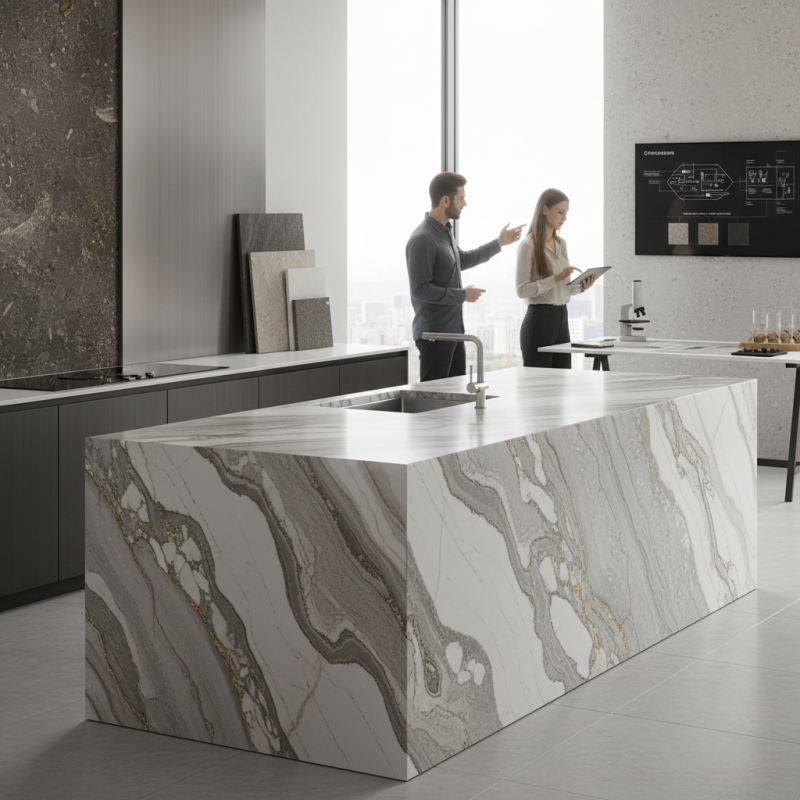
Benefits of Sintered Stone Slabs in Modern Architecture
Sintered stone slabs are becoming increasingly popular in modern architecture. Their advantages are driving this rise in interest. These slabs are made from natural materials, providing a sustainable option. They are non-porous, making them resistant to stains and moisture. This quality enhances their durability and maintenance. Architects and designers appreciate their versatility in various applications.
Tips: When selecting sintered stone slabs, consider the thickness and finish. Thicker slabs can offer improved durability. The finish can impact both aesthetics and functionality. Choose a texture that suits your design needs.
The aesthetic possibilities with sintered stone are impressive. These slabs come in a variety of colors and patterns, mimicking natural stones. This flexibility allows for creative expression in interiors. However, some may find the price point higher than traditional materials. It's important to weigh the initial investment against long-term benefits.
Tips: Visit showrooms to see slabs in person. Lighting can change how colors appear. Take samples home to visualize how they will fit into your space. Don't rush the decision; explore options and seek professional advice.
Durability and Maintenance Advantages of Sintered Stone
Sintered stone slabs are becoming a preferred choice in the architecture and design industries. Their remarkable durability plays a key role in this trend. Unlike traditional materials, sintered stone is highly resistant to scratches, stains, and heat. In fact, research indicates that sintered stone can withstand temperatures up to 1200 degrees Celsius. This durability means that these surfaces can handle the wear and tear of daily use without significant damage.
Maintenance is another critical advantage. Sintered stone surfaces are non-porous, which reduces the risk of bacteria growth. Cleaning is simple and typically requires only mild soap and water. According to a study by the International Surface Fabricators Association, nearly 80% of homeowners choose materials like sintered stone for their ease of upkeep. However, the price point can be a concern. While sintered stone may initially cost more than alternatives, its longevity could lead to cost savings over time.
Many consumers still question the environmental impact of sintered stone production. Although the material is created from natural minerals, the energy consumption during manufacturing is a relevant factor. Ongoing improvements in sustainability practices are crucial. Potential buyers should remain informed about these aspects to make responsible choices.
Why Are Sintered Stone Slabs Gaining Popularity Globally? - Durability and Maintenance Advantages of Sintered Stone
| Feature |
Sintered Stone |
Traditional Stone |
| Durability |
High resistance to scratches, heat, and impact |
Vulnerable to scratches and heat damage |
| Maintenance |
Easy to clean, non-porous surface |
Requires sealing and regular maintenance |
| Resistance to Stains |
Highly resistant to staining |
Prone to stains if not sealed |
| Environmental Impact |
Often made with sustainable materials |
Extraction impacts natural resources |
| Versatility in Design |
Available in various colors and patterns |
Limited color choices based on nature |
Design Versatility Offered by Sintered Stone Slabs
Sintered stone slabs are becoming a favorite in modern design due to their incredible versatility. This material can mimic natural stones like marble and granite while also offering unique patterns and colors. With technological advancements, designers unleash creativity by customizing sizes, finishes, and textures. The flexibility of sintered stone opens opportunities for various applications, from countertops to wall cladding. Reports show that the global market for sintered stone is projected to grow by 6% annually.
Interior designers appreciate sintered stone for its durability and resistance to heat and stains. This makes it ideal for high-traffic areas. In recent studies, nearly 70% of designers noted that using sintered stone enhances their projects' visual appeal. However, challenges exist. Not all installers are familiar with the nuances of sintered stone, leading to potential mishaps during installation. Education and training are crucial to maximize the benefits of this material.
Additionally, the eco-friendliness of sintered stone contributes to its rising popularity. Made from natural raw materials, it is both recyclable and sustainable. However, some still debate its environmental impact during production. As consumers prioritize sustainable choices, the conversation around sintered stone's lifecycle remains essential. Balancing innovation with ecological responsibility is vital for the industry’s future.
Popularity of Sintered Stone Slabs Over Time
The chart above illustrates the rising global interest in sintered stone slabs from 2019 to 2023. The increased search volume suggests a growing popularity driven by their design versatility and durability.
Environmental Sustainability of Sintered Stone Materials
Sintered stone slabs are becoming increasingly popular due to their environmental sustainability. These materials are made from natural materials, such as clay and minerals. They can be produced with minimal waste during the manufacturing process. This eco-friendly production method appeals to those concerned about environmental preservation.
Incorporating sintered stone into projects can reduce reliance on less sustainable materials. They are durable and resistant to scratches, stains, and UV light. Their longevity means fewer replacements over time, contributing to overall resource conservation. However, the high energy usage during production can raise concerns. Balancing this with their long lifecycle is essential for true sustainability.
Tips for Using Sintered Stone:
1. Research local suppliers who prioritize sustainable practices.
2. Opt for slabs with eco-friendly certifications to ensure quality.
3. Consider the life cycle of materials when planning renovations.
These collective choices help to minimize the environmental impact of home improvement projects. Adopting sintered stone comes with both benefits and trade-offs. Reflecting on these details will lead to more informed decisions.
Market Trends and Consumer Preferences for Sintered Stone Products
Sintered stone slabs are transforming the design landscape. Their versatility, durability, and aesthetic appeal are major draws for consumers. A recent market report indicates that the global sintered stone market is expected to grow at a CAGR of 7.5% from 2022 to 2030. This growth reflects a shift in consumer preferences towards sustainable and versatile materials.
Homeowners are increasingly attracted to sintered stone for kitchen countertops and flooring. Unlike traditional materials, sintered stone offers high resistance to heat, scratches, and stains. In fact, 72% of homeowners consider durability as the most crucial factor when choosing surfaces for their homes. With various textures and finishes available, this material meets diverse design needs, making it a favored choice among interior designers.
While consumers appreciate the benefits, there are challenges. Some find the installation process complex. Others may be unaware of proper maintenance practices. Education on these aspects is essential. As the sintered stone market grows, addressing such issues can enhance consumer confidence and drive further adoption.
Conclusion
Sintered stone slabs are gaining popularity globally due to their numerous benefits in modern architecture. One of the primary reasons why are sintered stone slabs popular is their exceptional durability and low maintenance requirements, making them ideal for various applications. These slabs are resistant to scratches, stains, and high temperatures, allowing them to maintain their aesthetic appeal over time with minimal upkeep.
Additionally, the design versatility offered by sintered stone slabs caters to a wide range of architectural styles and preferences. With various colors, textures, and finishes available, designers and homeowners can easily incorporate these materials into their projects. Furthermore, the environmental sustainability of sintered stone materials aligns with growing consumer demand for eco-friendly building products. As market trends continue to evolve, the increasing consumer preference for durable, versatile, and sustainable materials ensures that sintered stone slabs will remain a popular choice in the construction industry.

 Rock Stone