How to Prevent Tile Cracks Over Time and Ensure Longevity

Time:2026-05-11 Author:Ethan
0%

Tile cracks can be a significant issue, affecting both aesthetics and functionality. According to a report by the Tile Council of North America, nearly 10% of installed tile surfaces experience cracking due to improper installation practices and environmental factors. Homeowners often wonder how to prevent tile cracks over time. This query is crucial not only for maintaining the beauty of their spaces but also for ensuring long-term durability.

The reality is that tiles endure various stresses over time. Changes in temperature, humidity, and weight can impact their integrity. Proper installation techniques are essential, yet many contractors overlook critical steps. For instance, a recent study found that 20% of tile failures are linked to inadequate subfloor support. This highlights the need for vigilant measures in both selection and application.

Additionally, routine maintenance plays a pivotal role. Regular inspections and timely repairs can prevent minor issues from escalating. While challenges exist, investing in high-quality materials and professional expertise can mitigate risks. Understanding how to prevent tile cracks over time will empower homeowners to make informed decisions, ensuring the longevity of their tile installations.
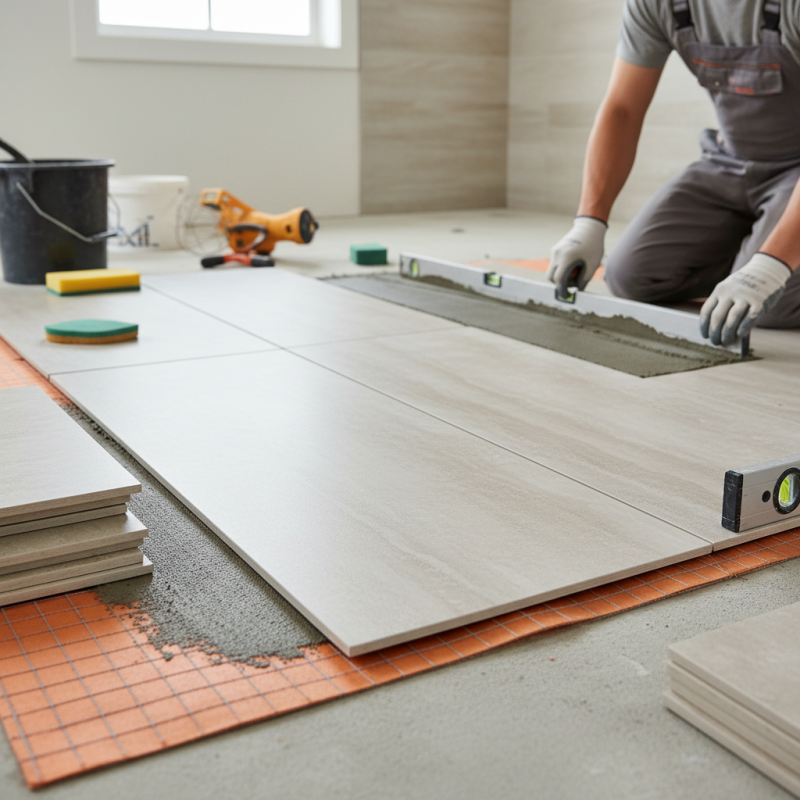
How to Prevent Tile Cracks Over Time and Ensure Longevity

Understanding the Common Causes of Tile Cracks

Tile cracks can be frustrating, but understanding their common causes helps in prevention. One major factor is improper installation. According to the National Tile Contractors Association, about 30% of tile failures stem from installation errors. Poorly leveled surfaces can lead to uneven stress on tiles, resulting in cracks over time.

Another significant cause is environmental factors, such as temperature changes. A study by the Tile Council of North America indicates that thermal expansion and contraction can create stress that leads to cracks. Rapid changes in temperature can exacerbate this issue. Additionally, moisture retention in subfloors can weaken tile adhesion. In fact, the same study found that moisture-related issues account for 25% of tile damage.

Lastly, foot traffic and heavy loads play a role in tile longevity. Over time, excessive weight can lead to hairline cracks that worsen if not addressed. Regular maintenance and timely repairs are crucial. It's worth noting that even minor imperfections in tile and grout can become major concerns if neglected. Reflecting on these factors can lead to better choices in tile installation and maintenance practices.

Choosing the Right Tile Material for Durability

When selecting tile materials, durability should be a priority. Ceramic and porcelain tiles are popular for their strength, with porcelain being denser and less porous. A study by the National Tile Contractors Association highlights that proper installation can significantly enhance the lifespan of tiles, reducing the risk of cracks. In fact, tiles installed correctly can last over 50 years.

Another factor to consider is the coefficient of friction. Tiles with a higher rating provide better traction and reduce the likelihood of slipping. Different environments require different tile choices. For instance, bathrooms need tiles that can withstand moisture. According to the Tile Council of North America, the right tile can prevent water-related damage and extend durability.

It’s essential to account for temperature fluctuations. Some tiles expand and contract, which can lead to cracks over time. Regular maintenance and timely repairs can help in mitigating these issues. Choosing tiles requires careful consideration of how they will perform in various conditions. The wrong choice can lead to costly damage and repairs in the future. Considering these factors will aid in ensuring the longevity of tile installations.

How to Prevent Tile Cracks Over Time and Ensure Longevity - Choosing the Right Tile Material for Durability

Tile Material Durability Rating (1-10) Resistant to Cracks Water Resistance Cost per Square Foot ($)
Ceramic Tile 7 Moderate Good $1 - $5
Porcelain Tile 9 High Excellent $3 - $10
Natural Stone 8 Variable Good $5 - $15
Vinyl Tile 6 Low Moderate $0.50 - $4
Glass Tile 8 High Excellent $7 - $20

Proper Installation Techniques to Prevent Cracking

Proper installation techniques play a critical role in preventing tile cracks. According to industry reports, nearly 15% of tile failures are due to poor installation practices. Selecting the right substrate is essential. The substrate must be stable and well-prepared. An uneven or weak base can cause tiles to crack over time due to shifting or settling.

Using the appropriate mortar is equally important. Data shows that using modified thin-set mortars provides better adhesion. These mortars are designed to compensate for the movement and expansion that tiles may experience. Additionally, ensuring that joints are properly spaced allows for slight movements without putting stress on the tiles themselves.

Even the most meticulous installation can encounter issues. For example, environmental factors like temperature and humidity can impact tile longevity. It is essential to consider local conditions when planning an installation. Professionals often overlook these factors, thinking only of aesthetics and immediate durability. Regular maintenance and inspections may also reveal unnoticed cracks early, preventing further damage.

Maintaining Tile Surfaces: Cleaning and Care Tips

Maintaining tile surfaces is essential for their durability and appearance. Regular cleaning helps prevent grime and dirt buildup. A simple mixture of warm water and mild detergent can do wonders. Gently scrub the tiles using a soft brush. Avoid abrasive cleaners; they can scratch the surface. After cleaning, rinse thoroughly to avoid residue.

Pay attention to grout lines; they can trap moisture and dirt. Consider sealing the grout at least once a year. Sealing creates a barrier against stains. If the grout looks discolored, use a dedicated grout cleaner. While these solutions are effective, don’t ignore the need for periodic deep cleaning.

It’s important to stay consistent with maintenance. Accumulated dirt can lead to more severe issues over time, such as cracks and discolored tiles. Sometimes, we overlook the smallest issues. A small crack may seem insignificant, but it can worsen if left untreated. Regular inspection can catch these problems early. Addressing them promptly ensures the longevity of your tile surfaces.

Environmental Factors Affecting Tile Longevity

Environmental factors play a critical role in the longevity of tiles. Significant changes in temperature can cause expansion and contraction. According to the Tile Council of North America, tiles can crack when exposed to extreme temperatures. Humidity also affects tile integrity; high moisture levels may weaken adhesives over time. This can lead to loosening or cracking of tiles, which is a common issue in climates with high humidity.

One key tip to prolong tile life is proper installation. Ensure that the substrate is level and dry before laying tiles. In addition, using a quality grout and sealant can help prevent moisture penetration. Regular maintenance can also mitigate environmental effects. Sweep or vacuum regularly and use appropriate cleaning solutions to avoid wear.

Another important consideration is the surrounding environment. Areas with heavy foot traffic may require more durable tile options. Observing how seasonal changes impact your tiles can offer insights into their durability. For example, tiles in shaded areas may not weather the same as those in direct sunlight. It is essential to reflect on the placement of tiles within your home, as this may dictate their longevity as well.

FAQS

: What materials are recommended for durable tiles?

: Ceramic and porcelain tiles are recommended for their strength. Porcelain is denser and less porous.

How can installation affect tile lifespan?

Proper installation can significantly enhance tile lifespan. Tiles installed correctly may last over 50 years.

What should I consider for bathroom tiles?

Choose tiles that withstand moisture for bathrooms. This prevents water-related damage and extends durability.

How do temperature fluctuations impact tiles?

Temperature changes can cause tiles to expand and contract. This may lead to cracks if not managed.

What cleaning method is best for tiles?

Use warm water and mild detergent for cleaning. Gently scrub with a soft brush to avoid scratches.

How often should grout be sealed?

It's wise to seal grout at least once a year. This creates a barrier against stains and moisture.

What are the risks of neglecting maintenance?

Ignoring maintenance can lead to severe issues, like cracks and discoloration. Regular inspections help catch problems early.

How does humidity affect tile integrity?

High humidity can weaken adhesives, leading to cracked or loose tiles. This is common in humid climates.

Why is the surrounding environment important for tile longevity?

Areas with heavy foot traffic need more durable tiles. Seasonal changes can also influence tile performance.

What should I reflect on regarding tile placement?

Consider where you place tiles in your home. Their exposure to sunlight or shade affects their longevity.

Conclusion

To effectively address the issue of how to prevent tile cracks over time, it is essential to first understand the common causes of these cracks, which include improper installation, subfloor movement, and environmental stressors. Selecting the right tile material that offers durability can significantly reduce the risk of cracking. Additionally, utilizing proper installation techniques, such as ensuring a flat substrate and adequate spacing, is crucial for maintaining tile integrity.

Furthermore, regular maintenance, including appropriate cleaning methods and protective care, helps extend the life of tiled surfaces. Being mindful of environmental factors, such as temperature fluctuations and moisture levels, also plays a role in ensuring the longevity of tiles. By following these guidelines, homeowners can successfully minimize the risk of tile cracks and preserve the aesthetic and structural quality of their floors and walls.

Ethan

Ethan

Ethan is a seasoned marketing professional with a deep expertise in our company's innovative product line. With a passion for sharing knowledge and insights, he takes the lead in regularly updating our corporate blog, where he explores industry trends, product features, and effective marketing......