2026 How to Choose the Most Durable Tile Material?

Time:2026-05-13 Author:Sienna
0%

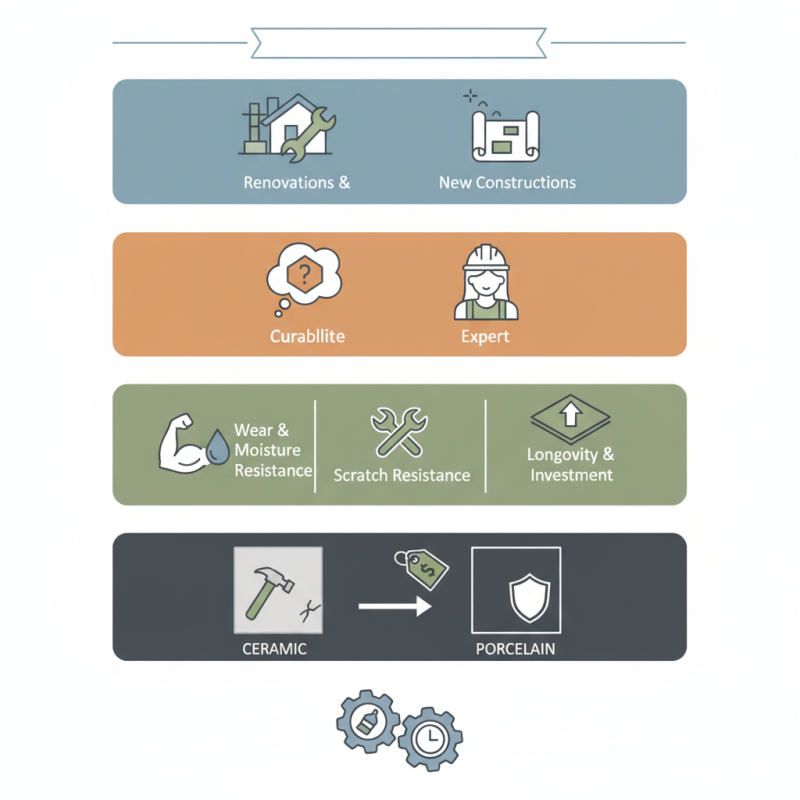
When considering renovations or new constructions, the choice of tile material is crucial. Many homeowners wonder, "what is the most durable tile material?" According to expert Alicia Johnson, a renowned interior designer and flooring specialist, "Choosing the right tile can make or break your project's longevity." This highlights the importance of informed decisions in tile selection.

Durability is often measured by how well a tile can withstand wear, moisture, and scratches. Ceramic and porcelain tiles are popular choices, but they differ significantly in performance. For instance, porcelain offers greater density and resistance, which makes it suitable for high-traffic areas. However, some may find its cost daunting and might lean towards cheaper options that may not last as long.

It's essential to balance aesthetics and practicality. Many consumers prioritize style, but they should also reflect on how a tile material will hold up over time. Investing in durable tiles often saves money in the long run. The nuances of each material can overwhelm. It’s crucial to weigh all factors before making a decision. Engaging with experts can provide clarity in this vital selection process.
2026 How to Choose the Most Durable Tile Material?

Factors to Consider When Selecting Tile Durability

When selecting tile durability, several key factors come into play. The type of material is crucial. Ceramics are popular due to their resistance to scratches and moisture. However, natural stones like granite provide a unique aesthetic and considerable strength. Weight and maintenance also matter. Heavier tiles may require more robust supports, while lighter options can be easier to handle.

Another consideration is the PEI (Porcelain Enamel Institute) rating. This rating indicates a tile's resistance to wear. A higher rating means better durability in high-traffic areas. The finish of the tile can influence performance too. Glossy tiles might be easier to clean but can be slick when wet.

Lastly, think about your environment. Will the tiles face extreme temperatures? Outdoor applications require materials that can withstand weather changes. While it’s tempting to choose based solely on appearance, reflect on the long-term implications of your choice. Durability is about more than just aesthetics; it's a smart investment in your space.

Comparison of Popular Tile Materials and Their Durability

Choosing durable tile material can seem daunting. Many options are available, each with unique strengths and weaknesses. Ceramic tiles stand out for their affordability and wide range of designs. However, they can chip and crack under heavy impact. For high-traffic areas, porcelain tiles offer superior strength. They resist scratches and moisture better than ceramics, making them suitable for bathrooms and kitchens.

Natural stone tiles, like granite and slate, add elegance to any space. Their durability is impressive, but they require maintenance. Sealing is necessary to prevent stains from penetrating the surface. On the other hand, vinyl tiles have gained popularity, especially in homes. They are resistant to water and available in many styles. Yet, vinyl can wear down over time and may not hold up against sharp objects.

When choosing tile, consider your lifestyle and environment. Each material has varying levels of scratch resistance and maintenance needs. Reflecting on your daily activities can guide you in selecting the most suitable option. It's also essential to weigh the balance between aesthetics and durability. Making an informed decision will lead to satisfying results in the long run.

Understanding Tile Ratings and Certifications for Durability

When selecting durable tile materials, understanding ratings and certifications is crucial. Tiles receive different ratings based on their strength and resistance to wear. The Porcelain Enamel Institute (PEI) grades tiles from I to V, with higher grades indicating greater durability. For instance, Class IV tiles are suitable for medium to high-traffic areas, while Class V is recommended for commercial use. According to industry reports, tiles with a PEI rating of at least IV will withstand significant wear and tear.

Another important certification is the American National Standards Institute (ANSI) rating. These ratings assess moisture absorption, breaking strength, and slip resistance. ANSI A137.1 is a common standard for ceramic tiles, helping consumers choose products that meet specific durability criteria. Research indicates tiles with lower moisture absorption, as per ANSI standards, are less likely to crack or warp over time.

Tips: Always check the PEI and ANSI ratings before making a purchase. Consider the location and foot traffic level of the area you’re tiling. If you’re unsure, consulting with a tile expert can eliminate doubts and help you make informed decisions. Remember, selecting the right tile material is an investment. It requires careful consideration of both durability and the intended use.

Maintenance Practices to Enhance Tile Lifespan

Tile maintenance is critical for enhancing durability and extending lifespan. According to a 2021 report by the National Tile Contractors Association, regular care can reduce tile replacement costs by up to 30%. Proper cleaning is a fundamental step. Use pH-balanced cleaners. Avoid harsh chemicals, as they can damage the surface. In overly humid areas, mold can form. Regularly inspect and clean joints to prevent this.

Tips for maintenance: Always use soft mop pads. This prevents scratches and maintains the tile’s finish. Sealant should be applied to grout lines every one to two years. This creates a barrier against stains and moisture. Even high-quality tiles can degrade without proper care.

Infrequent maintenance can lead to unexpected expenses. For example, accumulated dirt can create discoloration, leading to costly replacements. Regularly check for cracks or chips. Address them immediately to avoid further damage. By staying proactive, you can significantly enhance the longevity of your tile installations.

Cost-Effectiveness: Balancing Durability and Budget in Tile Choices

When it comes to selecting tile materials, cost-effectiveness plays a major role. Balancing durability and budget is essential for making the right choice. Certain materials, while strong, can be expensive upfront. Still, they may save costs over time due to less maintenance and replacement. Understanding this balance can help you make an informed decision.

Tips: Consider the lifecycle of the tile. Some cheaper options might need frequent replacement. This can lead to higher long-term costs. On the other hand, opting for higher-quality tiles can mitigate repair expenses. Take the time to compare prices, but remember the hidden costs.

It’s crucial to assess your specific needs. Will the tile be exposed to heavy foot traffic? Areas like kitchens and hallways require sturdier options. Evaluate your environment before deciding. Also, reflect on style preferences and how different tiles will age over time. Don't rush; giving this process time is important for a lasting choice.

FAQS

: What are the key factors to consider when choosing tile material?

: Consider your lifestyle, environment, and traffic levels. Each tile type has different durability and maintenance needs.

How durable are ceramic tiles?

Ceramic tiles are affordable and come in many designs. However, they can chip and crack under heavy impact.

What makes porcelain tiles a better choice for high-traffic areas?

Porcelain tiles offer superior strength. They resist scratches and moisture, making them ideal for kitchens and bathrooms.

Do natural stone tiles require special care?

Yes, natural stone tiles need regular sealing. This prevents stains from penetrating the surface.

How does vinyl tile durability compare to other materials?

Vinyl tiles are water-resistant and stylish. However, they can wear down over time and may not resist sharp objects.

What are PEI and ANSI ratings?

PEI and ANSI ratings assess tile strength and durability. They help consumers choose suitable tiles for specific uses.

Why is it essential to check tile ratings before purchasing?

Ratings indicate durability, moisture absorption, and wear resistance. This helps ensure the tiles won't crack or warp later.

How can cost-effectiveness affect tile selection?

Some strong tiles may cost more upfront but save on maintenance. Weigh initial costs against long-term needs and durability.

Should I prioritize aesthetics over durability when selecting tiles?

Balance aesthetics and durability. Reflecting on how a tile ages can help ensure a satisfactory choice for years to come.

What mistakes should I avoid when choosing tiles?

Avoid rushing the decision. Assess your specific needs and consider hidden costs, as cheaper options might require frequent replacement.

Conclusion

When it comes to choosing the most durable tile material, several key factors must be considered. Firstly, understanding the various types of tile materials and their durability ratings is essential, as each material can offer different levels of strength and resistance to wear. Comparing popular options such as porcelain, ceramic, and stone can provide insight into which material may best suit your needs. Additionally, paying attention to tile ratings and certifications can help inform your decision, ensuring that you select a tile that meets durability standards.

Moreover, maintenance practices play a significant role in enhancing the lifespan of your tiles. Regular cleaning and proper care can prevent damage and extend the life of your flooring. Finally, balancing durability with budget is crucial, as a cost-effective choice should not compromise quality. In conclusion, when assessing what is the most durable tile material, it is important to weigh these factors carefully to achieve a long-lasting and aesthetically pleasing result.

Sienna

Sienna

Sienna is a skilled marketing professional with a deep expertise in our company’s core products and services. With a passion for innovation and detail, she plays a pivotal role in crafting insightful blog posts that not only highlight the unique features of our offerings but also provide valuable......