When considering how to decorate commercial spaces with tiles, it’s vital to understand the nuances of design. Tiles can transform an ordinary space into a vibrant showroom or a welcoming office. Their versatility allows for creative expression while ensuring durability and ease of maintenance. Picking the right tiles can highlight brand identity and influence customer experience.
Choosing colors and textures is just the beginning. Think about the layout, lighting, and functionality of the space. Smart tile choices can lead to an inviting atmosphere. However, the planning phase can be daunting. It’s easy to overlook how tile placement impacts the overall flow of movement. Reflecting on these aspects is crucial for achieving balanced aesthetics.
Incorporating tiles requires a mix of creativity and practicality. The ideal design should not only be visually appealing but also cater to everyday use. Mistakes can happen, like selecting tiles that clash with furniture or decor. Learning from these experiences can guide future decisions. When executed thoughtfully, tiles can significantly enhance a commercial environment, creating spaces that resonate with visitors.
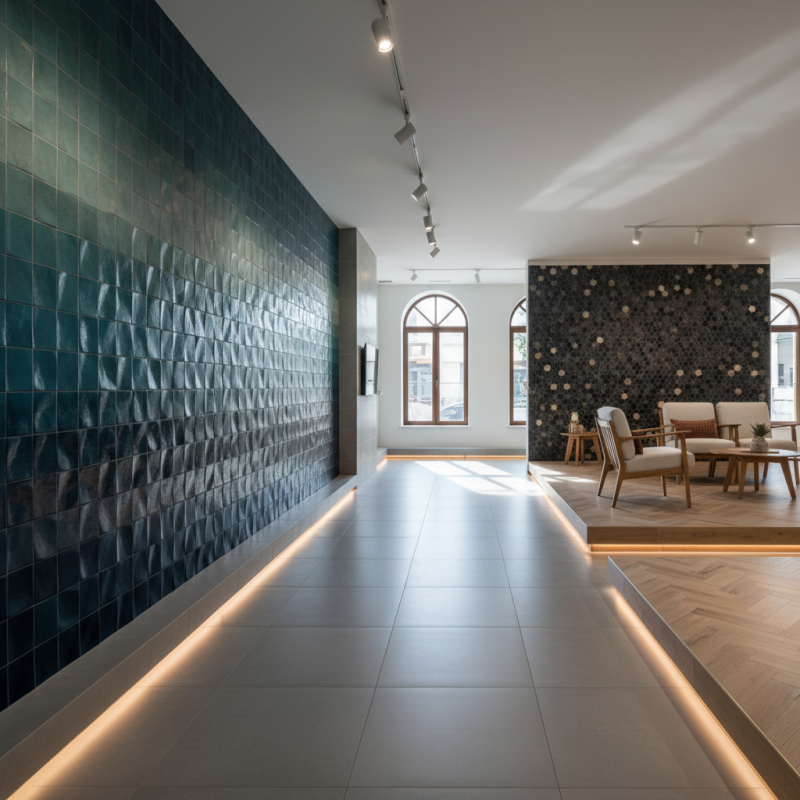
The choice of tiles in commercial spaces significantly influences their overall aesthetics. Recent studies indicate that over 75% of consumers form their first impression of a business based on its interior design. Tile selection plays a critical role in shaping that impression. For example, light-colored tiles can create an illusion of spaciousness, making smaller areas feel larger and more welcoming. Conversely, darker tiles can add a sense of warmth and luxury, transforming a space into something truly inviting.
Color and pattern are essential factors to consider. Reports highlight that 80% of participants prefer spaces with harmonious color palettes. Choosing complementary tiles can enhance cohesion throughout the space. Unique patterns can serve as focal points, drawing attention to key areas. However, it’s crucial to avoid over-patterning, which can lead to a chaotic appearance. Balance is essential—striking a chord between creativity and clarity often requires a thoughtful approach.
Reflecting on the impact of tile texture is just as vital. Textured tiles can improve safety, especially in high-traffic areas. Yet, they may require more maintenance and cleaning. Striking a balance between aesthetics and functionality is key. Business owners must carefully evaluate their choices to ensure longevity and appeal. Not all selections will resonate with every audience, and it is wise to seek professional advice when in doubt.
When choosing tile materials for commercial spaces, durability often competes with design. According to a 2021 industry report, 70% of business owners prioritize durability in high-traffic areas. However, aesthetics play a crucial role in customer perception. Tiles must withstand heavy use while also creating an inviting atmosphere.
Ceramic and porcelain tiles are popular for their resilience. They score high on the PEI hardness scale, indicating excellent wear resistance. Natural stone tiles, while beautiful, may require more maintenance. Their surface can be porous, leading to potential stains. A recent survey revealed that 60% of designers recommend glazed tiles for ease of cleaning and long-term appearance.
Tip: Always test your tile choices in small areas to evaluate both appearance and wear. Consider the lighting in your commercial space; it can dramatically affect how colors and textures appear. Another option is to blend tile materials to enhance both durability and aesthetics. For instance, combining resilient vinyl with decorative ceramic could achieve a unique look while minimizing maintenance concerns. Aim for a balance that meets both functional and visual needs, reflecting your brand's identity.
| Tile Material | Durability (1-10) | Design Versatility | Cost per Square Foot |
|---|---|---|---|
| Ceramic Tiles | 7 | High | $2 - $6 |
| Porcelain Tiles | 9 | Medium | $3 - $10 |
| Vinyl Tiles | 6 | Very High | $1 - $4 |
| Natural Stone Tiles | 10 | Low | $5 - $25 |
| Glass Tiles | 5 | Very High | $7 - $30 |
Color psychology plays an essential role in tile selection for commercial spaces. The right colors can influence customer mood and behavior. For example, warm colors like red and orange can stimulate appetite. These shades work well in restaurants but may create restlessness in office environments. So, it’s vital to consider the specific business goals when choosing tile colors.
Cool colors, such as blue and green, evoke calmness and trust. They are ideal for spaces where focus and relaxation are necessary, like spas or therapy centers. However, excessive use of cool colors may lead to a sterile feel, which could discourage engagement. Mixing colors can create a more balanced atmosphere. It provides visual variety and aligns with your brand identity.
Employing tile patterns can enhance these effects. Geometric designs add energy and create focal points. Still, they can overwhelm smaller spaces. Consider the size and layout of your area. Reflect on how different colors can impact interactions, and do not hesitate to experiment. Adjustments might be required based on feedback, so stay flexible in your design approach.
When decorating commercial spaces, tile layouts play a pivotal role. Patterns and grids can significantly influence how customers perceive a space. Using larger tiles can create an illusion of space. In contrast, smaller tiles can add detail and texture. It’s essential to consider how the layout interacts with the area’s purpose.
Tips for enhancing space perception include using diagonal patterns. These can lead the eye across the room, making areas feel larger. Also, consider alternating tile colors to break monotony. This can create a dynamic flow and engage visitors. Selecting tiles with a slight gloss can reflect light, further opening up the space.
Experimenting is crucial. A linear layout might seem straightforward but can feel confining. Conversely, asymmetrical patterns can surprise and delight. However, they may also appear chaotic if not executed thoughtfully. Reflect on the overall job and space intention carefully. Designing with tiles is both an art and a science.
Tile flooring is a popular choice for commercial spaces due to its cost-effectiveness. According to a report by the National Floor Covering Association, tile can last over 20 years if properly maintained, making it a long-term investment. The upfront cost might be higher than other materials, but durability reduces replacement frequency. Businesses can save money in the long run.
Maintenance is key to maximizing this investment. Regular cleaning can prevent dirt buildup and extend tile life. The average cost of routine maintenance for tiles can range from $0.10 to $0.50 per square foot, depending on the service. A comprehensive maintenance plan can help mitigate unexpected repair costs. Not all tiles require the same maintenance. Some materials may be more susceptible to scratches and chips.
Businesses might overlook the initial costs of installation and the ongoing maintenance required. A lack of attention could lead to deteriorating conditions that impact aesthetics and safety. Understanding the lifecycle of tile flooring is crucial. Investing time into education on materials and proper care can yield meaningful returns over time. An informed decision can enhance both the appearance and functionality of a commercial space.
: Color can influence customer mood and behavior. Warm colors stimulate appetite, while cool colors evoke calmness and trust.
Warm colors may create restlessness in office environments. It’s advisable to consider the specific business goals.
Mixing colors creates visual variety and balances the atmosphere. It can also align with your brand identity.
Diagonal patterns can make spaces feel larger. Alternating colors breaks monotony and engages visitors.
Glossy tiles reflect light and can open up the space. This adds to a more inviting environment.
Regular cleaning prevents dirt buildup and extends tile life. Maintenance can be a significant long-term investment.
Initial installation and ongoing maintenance can be neglected. This oversight may lead to deteriorating conditions over time.
With proper maintenance, tile flooring can last over 20 years, proving to be a cost-effective choice.
Asymmetrical patterns can delight but may also confuse if not executed thoughtfully. Reflecting on the design's intention is vital.
Effectively decorating commercial spaces with tiles involves a strategic approach that balances aesthetics with functionality. Understanding the impact of tile selection on the interior ambiance is crucial, as it sets the tone for customer experiences. Different tile materials offer varying levels of durability and design appeal, making it essential to analyze their suitability for specific commercial environments. Incorporating color psychology can significantly influence customer behavior, and choosing the right tile colors can align with business goals and branding.
Furthermore, optimizing tile layouts through creative patterns and grids can enhance space perception, making areas feel larger or more inviting. Finally, cost-effectiveness should be a priority when budgeting for tile flooring, considering factors like longevity and maintenance to ensure the investment pays off over time. In summary, knowing how to decorate commercial spaces with tiles effectively requires a comprehensive understanding of these elements.

Rock Stone