How to Effectively Combine Wood Look and Stone Tiles?

Time:2026-06-07 Author:Ethan
0%

Combining wood look and stone tiles is a popular trend in modern interior design. A recent report by the National Tile Contractors Association indicates that 65% of homeowners prefer blended materials for flooring. This trend emphasizes the desire for natural aesthetics and durability.

Understanding how to combine wood look and stone tiles can elevate any space. The warmth of wood enhances the cool, earthy tones of stone. However, achieving balance is essential. Not all wood and stone variants blend seamlessly, creating a challenge for designers and homeowners alike.

Research highlights that improper combinations can lead to a disjointed look, making it crucial to consider color, texture, and pattern. While the allure of mixed materials is strong, one must proceed with care. Thoughtful selection creates harmonious spaces, while poor choices may not deliver the desired effect. Always aspire for a cohesive look that reflects personal style while maintaining functional integrity.
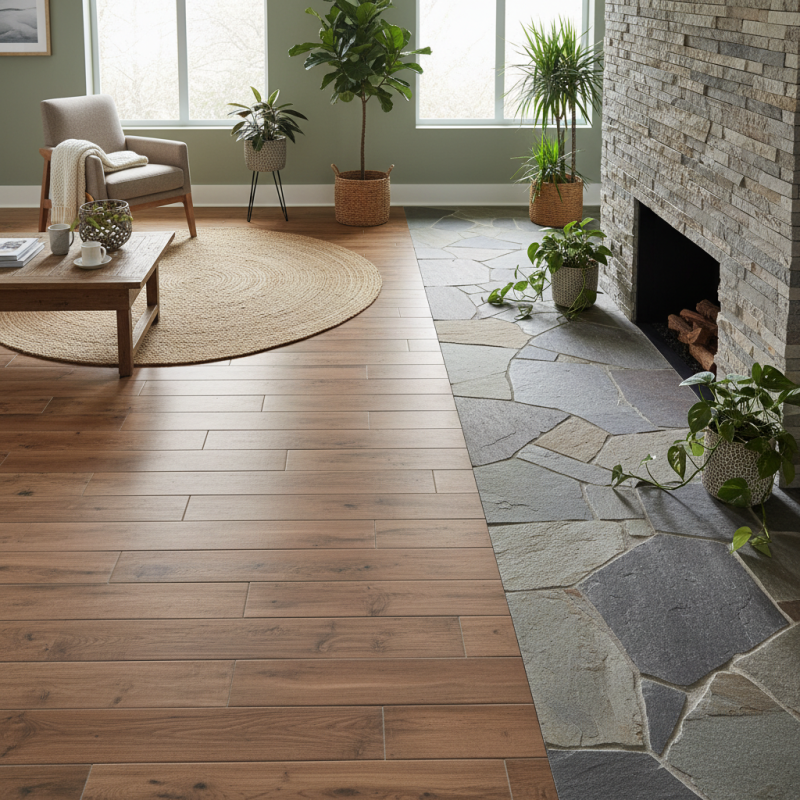
How to Effectively Combine Wood Look and Stone Tiles?

Choosing the Right Wood Look and Stone Tile Combinations

Choosing the right wood look and stone tile combinations can transform a space. The popularity of wood look tiles has surged, with a market growth rate of 6.5% annually, according to industry reports. Their ability to mimic the warmth of real wood while offering durability makes them appealing for both aesthetic and practical purposes.

When combining these materials, consider color and texture. Lighter wood tones can pair beautifully with dark stone tiles. This contrast adds dimension. Alternatively, matching warm or cool tones can create a seamless transition. According to experts, textures should complement each other; smooth tiles juxtaposed with rough surfaces create visual interest but may require careful planning.

However, achieving balance is crucial. Too much contrast can lead to a chaotic look, making spaces feel cluttered. There's also the risk of overwhelming the senses with different patterns. Finding the right mix often requires experimentation and reflection. Don't hesitate to sample various combinations in your space before making a commitment. A well-thought-out combination can enhance your interior and provide lasting satisfaction.

Understanding the Aesthetic Appeal of Wood and Stone Together

Combining wood look and stone tiles creates a unique aesthetic that captivates the eye. The warmth of wood contrasts beautifully with the coolness of stone. This combination can evoke a rustic charm or a modern elegance, depending on how it's used. Consider the textures—wood has a natural grain that invites touch, while stone offers a sturdy surface with a distinct pattern. Together, they create a balanced atmosphere that feels both inviting and grounded.

Choosing the right color palette enhances their appeal. Light wood tones paired with dark stone provide a striking visual contrast. Conversely, earth tones in both materials can create a soothing environment. Mixing patterns adds depth to your design. Experiment with herringbone wood tiles next to larger stone formats. This asymmetry invites exploration of the space. Yet, it requires careful consideration to avoid a chaotic look.

Lighting plays a crucial role too. Natural light can enhance the colors and textures of both materials. However, poor lighting may dull their vibrancy. Be mindful of these factors in your space. And remember, not every combination will work perfectly. Reflect on your choices and be open to adjustments. The goal is to create a cohesive look that feels personal and inviting.

Planning Your Space: Layout Considerations for Tile Installation

When planning a space with wood look and stone tiles, consider the layout carefully. A balanced design enhances the visual appeal. Aim for contrast; warm wood tones paired with cool stone create depth. Avoid overwhelming the space with too many patterns. Focus on simple, cohesive designs.

Determine key areas in the room for these tiles. For example, a wood look tile can extend across the living area, creating a cozy feel. Stone tiles might be ideal for high-traffic areas, like entryways or kitchens. Think about how light impacts the tiles. Natural light can highlight textures and colors, adding life to your design.

Remember, the flow of the space is crucial. Consider transitions between different tile types. Harsh lines may disrupt the aesthetic. A gradual shift, like a mosaic or border, can soften the impact. This thoughtful approach invites reflection on how these materials interact, both visually and physically. Explore creativity in layouts, but be mindful of maintaining a harmonious ambiance.

Techniques for Seamless Transition Between Wood and Stone Tiles

When combining wood-look and stone tiles, consider the textures. Stone tiles often have a rugged feel, while wood-look tiles present a warm, inviting appearance. To create a seamless transition, ensure that your chosen tiles have complementary finishes. For example, a matte stone tile pairs well with a slightly textured wood-look option. This balance can enhance visual harmony.

Another effective technique is to use a shared grout line. Align the edges of both tile types to create a continuous flow. This method invites the eye to move smoothly from one surface to another. Be mindful of the colors you select. Light woods contrast beautifully with darker stones, while warm tones can harmonize with cooler hues. However, choose wisely, as an overwhelming contrast can disrupt the flow.

Lighting plays a vital role in your space. Natural light can enhance the beauty of both tiles. Consider how shadows may affect the perception of the materials. Take time to assess how the tiles interact throughout the day. Mistakes might be made in assumptions about lighting, so adjust your choices accordingly. Embracing these small imperfections can lead to unique, captivating designs.

Comparison of Popular Tile Combinations: Wood Look vs. Stone Tiles

Caring for and Maintaining Wood Look and Stone Tile Combinations

Combining wood look and stone tiles creates a unique aesthetic in any space. However, maintaining these combinations requires specific care strategies. Regular cleaning is essential. Use a pH-balanced cleaner to avoid damaging the finishes. According to industry studies, 25% of homeowners overlook the importance of appropriate cleaning products, leading to premature wear.

Humidity can affect both wood-look tiles and natural stone. Wood look tiles may expand or contract with humidity changes. Stone tiles can absorb moisture and develop stains. A report from the Tile Council of North America shows that 70% of tile failures stem from improper installation and maintenance. Sealing stone tiles annually helps prevent moisture damage. Ensure to use a breathable sealer to maintain the natural beauty of stone while protecting it.

Remember, it’s essential to use soft, non-abrasive tools for cleaning. Some homeowners mistakenly use scouring pads, which can scratch tile surfaces. Periodic inspections for cracks and wear can save costly repairs later. Ignoring small issues often leads to larger problems in flooring. Balancing the aesthetic of wood look and stone requires diligence in maintenance.

FAQS

: What are the benefits of wood-look tiles?

: Wood-look tiles mimic real wood's warmth and offer durability. They are both aesthetic and practical for various spaces.

How should I choose colors when combining wood and stone tiles?

Consider pairing light wood tones with dark stone tiles. This contrast adds dimension to your design.

What role do textures play in tile combinations?

Textures should complement each other. Smooth tiles with rough surfaces create visual interest, but careful planning is needed.

How can I avoid a cluttered look with tile combinations?

Achieve balance by avoiding too much contrast. Too many patterns can overwhelm and create chaos in the space.

What is a useful technique for seamless transitions between tiles?

Use shared grout lines and align edges to create a smooth flow from one type of tile to another.

Why is lighting important in tile selection?

Lighting affects how tiles appear. Natural light can enhance their beauty, while shadows can change perceptions throughout the day.

Should I experiment with tile combinations before finalizing?

Yes, sampling various combinations helps ensure satisfaction. Reflection on these choices can lead to better designs.

Can unexpected design elements be beneficial?

Embracing small imperfections can lead to unique designs that feel authentic and personal to your space.

How can I ensure my tile choices are harmonious?

Pay attention to color and texture combinations. Ensure they work well together and create a unified look.

What might be a mistake in selecting tile colors?

Overwhelming contrast in colors can disrupt flow. It's essential to choose colors wisely to maintain harmony.

Conclusion

In exploring how to combine wood look and stone tiles, it is essential to choose the right combinations that enhance the aesthetic appeal of your space. The juxtaposition of wood and stone creates a warm yet grounded atmosphere, making it vital to consider layout and design elements during tile installation. Effective planning ensures that the tiles harmonize seamlessly, allowing for a smooth transition between the two materials.

Moreover, applying techniques for a cohesive look and caring for your wood look and stone tile combinations will prolong their beauty and durability. By following these guidelines, you can achieve a stunning and functional space that captures the best of both worlds, merging the organic feel of wood with the rugged texture of stone.

Ethan

Ethan

Ethan is a seasoned marketing professional with a deep expertise in our company's innovative product line. With a passion for sharing knowledge and insights, he takes the lead in regularly updating our corporate blog, where he explores industry trends, product features, and effective marketing......