Decorative wall tiles add beauty to any space. However, maintaining their shine can be challenging. It's essential to know how to clean decorative wall tiles effectively. According to a survey by the National Cleaning Institute, 70% of homeowners report struggling with tile maintenance. Many tiles can harbor dirt and grime, which not only dull their appearance but can lead to health issues over time.
Proper cleaning techniques can extend the life of your tiles. Experts recommend routines that combine both aesthetic and hygienic benefits. Common issues include stains and mildew, which can damage tiles if left untreated. Regular cleaning also prevents buildup, which could be detrimental to your health. Nevertheless, many DIY methods can be ineffective or even harmful. This highlights the need for reliable information on tile care.
In a world where cleanliness influences overall well-being, understanding how to clean decorative wall tiles is paramount. Thoughtful practices can make a significant difference. However, many overlook tile maintenance, leading to frustration. As the saying goes, "out of sight, out of mind," yet neglected tiles can affect a room's atmosphere. Prioritizing these cleaning methods can enhance both the aesthetics and longevity of your decorative surfaces.
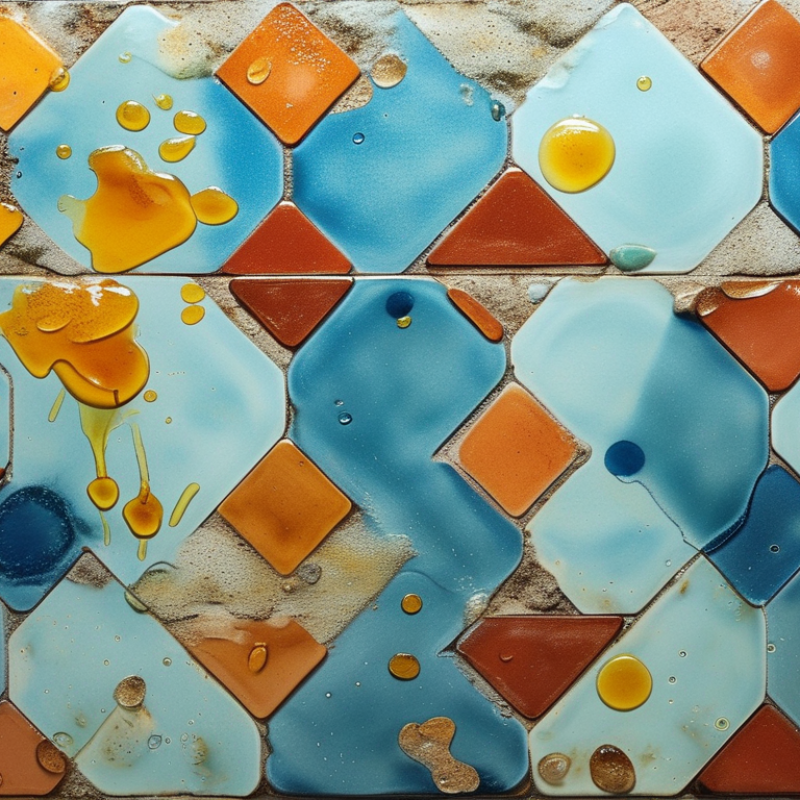
Cleaning decorative wall tiles can be a rewarding task. Having the right tools makes all the difference. Start with a sturdy sponge. It’s essential for loosening grime and clay residues. A soft-bristle brush is also helpful. This gentle tool can reach into grooves without scratching the surface.
Microfiber cloths are invaluable. They trap dirt and protect tiles from damage. A bucket for mixing cleaning solutions and rinsing is necessary. Don't forget protective gloves. They shield your hands from harsh chemicals. A scrubbing pad with a non-abrasive side is useful too, especially for stubborn stains.
Vinegar and baking soda are great natural alternatives. They help eliminate tough spots without damaging tiles. Reflect on your cleaning habits. Are you using too much product? Excess residues can dull tiles. It’s essential to rinse thoroughly after using cleaning agents. This ensures tiles stay vibrant and clean. Your tools reflect your cleaning ethics. Choose wisely, and the results will show.
Decorative wall tiles can enhance any space, but they are prone to stains. Common issues include grease, soap scum, and mildew. According to a 2022 cleaning industry report, 70% of homeowners admit to struggling with stain removal. Understanding effective techniques is essential for maintaining your tiles.
Grease stains often come from kitchen areas. A mixture of baking soda and vinegar can work wonders. Sprinkling baking soda on the stain, followed by a little vinegar, creates a fizzing reaction. This helps lift stubborn grease from the tile surface. Rinsing with warm water can eliminate any remaining residue.
For soap scum, a solution of dish soap mixed with warm water is surprisingly effective. Use a soft brush to scrub gently. The right approach can leave tiles shimmer-free and clean.
Mildew thrives in damp environments. Vinegar is a natural remedy here. Spray pure vinegar directly onto the mildew and let it sit for 30 minutes. While effective, it might not suit everyone’s taste due to its strong smell. An alternative is hydrogen peroxide, a lighter option that still combats mildew. A study indicates that 40% of homeowners use vinegar, but only 25% try alternative methods. This suggests an opportunity for experimentation. Cleaning methods can vary. Finding what works best for you may require some trial and error.
Cleaning decorative wall tiles can elevate the look of any space. Using natural solutions not only ensures effectiveness but also aligns with eco-friendly practices. A survey by the National Association of Realtors found that clean, well-maintained spaces increase property value by about 15%. This highlights the importance of tile maintenance.
Start with a simple vinegar solution. Mix equal parts vinegar and water in a spray bottle. Apply it directly on the tiles. Let it sit for a few minutes, then scrub with a soft brush. This method removes grime without causing damage. According to the Environmental Protection Agency, vinegar can kill around 82% of mold and bacteria. However, intense stains might require more effort.
Baking soda is another effective agent. Create a paste with water. Apply it to stained areas and allow it to dry. Once dry, scrub gently. This technique not only cleans but deodorizes. The Journal of Cleaner Production noted that baking soda is a safe alternative to harsher chemicals. However, it may take time to see dramatic results, and consistency is key. Use these methods regularly to maintain your tiles.
Maintaining the cleanliness of decorative wall tiles requires more than just regular cleaning. Preventive measures play a significant role in keeping tiles looking fresh. Start by ensuring that any spills are cleaned immediately. This reduces the likelihood of stains setting in and makes your cleaning efforts much easier. Use coasters and mats to minimize the chances of grime accumulating on surfaces.
Another key strategy is to periodically inspect your tiles for signs of damage. Cracks and chips can trap dirt. Addressing these issues promptly can prevent further deterioration. Regularly sealing tiles can also help repel moisture and dirt. This creates a protective barrier that makes daily maintenance more effective.
Ventilation is often overlooked in tile maintenance. Proper airflow helps reduce humidity in the bathroom or kitchen, which minimizes mold and mildew growth. Consider using exhaust fans or opening windows. While some homeowners may forget these basic steps, being proactive can save you time and effort in the long run. Make these practices a regular part of your routine for better results.
Keeping decorative wall tiles looking their best requires ongoing care and attention. Regular maintenance can prevent dirt buildup and prolong the life of your tiles. One effective practice is to dust tiles weekly. Use a soft cloth to avoid scratching the surface. For deeper cleaning, a gentle solution of water and vinegar can remove stubborn stains. Always test the solution on a small area first.
Consider grout maintenance as well. Grout can easily become discolored. Sealing grout every six months protects it from stains and moisture. If you notice any cracks, repair them promptly. This avoids larger issues later.
Be mindful of the cleaning tools you choose. Harsh scrubbers can damage the tile surface. Use non-abrasive sponges instead. Additionally, if you accidentally spill something on your tiles, clean it up right away. Stains are harder to remove once they set in.
These tips help maintain the beauty of your tiles while ensuring long-term durability. Each step contributes to a more vibrant and lasting decor.
| Method | Description | Frequency | Recommended Tools |
|---|---|---|---|
| Regular Dusting | Use a microfiber cloth to remove dust and debris. | Weekly | Microfiber cloth |
| Warm Soapy Water | Clean tiles with warm water mixed with mild dish soap. | Monthly | Soft sponge, dish soap |
| Vinegar Solution | Use a mixture of vinegar and water for tough stains. | As needed | Spray bottle |
| Baking Soda Paste | Apply a paste of baking soda and water for scrubbing. | Monthly | Baking soda, water |
| Soft Brush | Use a soft bristle brush to reach corners and grooves. | As needed | Soft bristle brush |
| Steam Cleaning | Use a steam cleaner to sanitize tiles without chemicals. | Quarterly | Steam cleaner |
| Grout Cleaning | Use a specialized grout cleaner to maintain grout lines. | Every 6 months | Grout cleaner, brush |
| Avoid Abrasives | Steer clear of harsh scrubbers that can scratch the tiles. | Always | N/A |
| Seal Tiles | Apply a sealant to protect tiles from stains. | Annually | Sealant |
: A simple vinegar solution works well. Mix equal parts vinegar and water in a spray bottle.
Spray it directly on the tiles and let it sit for a few minutes, then scrub gently.
Yes, create a paste with water, apply it to stains, and scrub gently after it dries.
Cleaning spills right away prevents stains from setting in. It makes future cleaning easier.
Grout should be sealed every six months to protect it from stains and moisture.
Avoid using harsh scrubbers that can scratch the tile surface. Use non-abrasive tools instead.
Proper airflow reduces humidity, which minimizes mold and mildew growth. It's crucial for clean tiles.
Regularly check for cracks or chips. Address them quickly to prevent dirt from getting trapped.
Dust tiles weekly with a soft cloth to avoid buildup and maintain their appearance.
Stains become harder to remove once they set in, requiring more effort to clean later.
In the article "Top 10 Ways to Clean Decorative Wall Tiles Effectively," we explore essential tools and techniques to maintain the beauty and durability of your wall tiles. The piece begins by outlining the must-have cleaning tools, followed by an overview of common stains and effective removal techniques specifically tailored for decorative tiles. Readers will find a step-by-step guide on how to clean decorative wall tiles using natural solutions, emphasizing eco-friendly practices that are safe and effective.
Additionally, the article offers preventive measures to maintain tile cleanliness, ensuring that your decorative surfaces stay vibrant longer. Best practices for long-term care are also highlighted, providing valuable insights to help homeowners protect their investment and enhance the aesthetic appeal of their living spaces. Overall, this comprehensive guide serves as a practical resource for anyone looking to effectively clean and care for their decorative wall tiles.

Rock Stone