2026 How to Distinguish Between Porcelain and Ceramic Tiles?

Time:2026-08-09 Author:Ethan
0%

When selecting tiles for a home renovation, many homeowners face the question: what is the difference between porcelain and ceramic tiles? According to John Smith, an industry expert with over 15 years of experience in tile manufacturing, "Understanding the core differences between these two types is crucial for making a smart choice."

Porcelain tiles are denser and less porous than ceramic. This density makes them more durable and suitable for high-traffic areas. In contrast, ceramic tiles are easier to cut and can come in a wider variety of colors and designs. However, they might not hold up as well in moist environments.

Choosing the right type often depends on both aesthetics and functionality. Some consumers may find themselves overwhelmed by the variety available. Not all options will suit every space. Balancing beauty with practical needs requires careful thought.
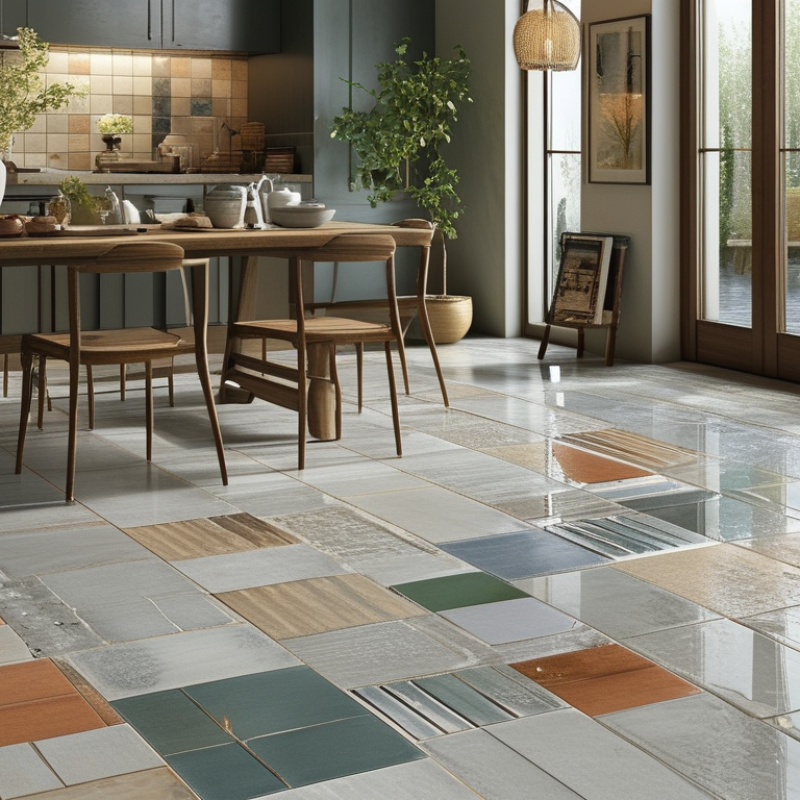
2026 How to Distinguish Between Porcelain and Ceramic Tiles?

Understanding the Basics: What Are Porcelain and Ceramic Tiles?

Porcelain and ceramic tiles are common flooring and wall options. Understanding their differences is crucial for making informed decisions. Both materials are made from clay, but they differ in composition and firing temperatures. Porcelain tiles are fired at higher temperatures, leading to a denser and less porous product. This makes them more suitable for high-traffic areas.

According to a report by the Tile Manufacturers Association, porcelain tiles have a water absorption rate of less than 0.5%. This property enhances their durability and frost resistance, making them ideal for outdoor use. On the other hand, ceramic tiles absorb more moisture, making them better suited for indoor spaces like bathrooms and kitchens.

In terms of appearance, both tiles offer various designs and finishes. However, the production process for porcelain tiles often results in more intricate patterns. Some consumers may struggle with installation due to their heavier weight. While both types can be stylish, it’s essential to consider practicality and maintenance. Choosing the right type is more than just aesthetics. It also requires reflecting on location, usage, and long-term upkeep.

Key Composition Differences Between Porcelain and Ceramic Tiles

When comparing porcelain and ceramic tiles, understanding their composition is essential. Porcelain tiles are made from finer clay and fired at higher temperatures. This process results in a denser and less porous material. In contrast, ceramic tiles are crafted from a coarser clay. They are fired at lower temperatures, making them more porous and less durable than porcelain.

The key composition difference affects their performance. Porcelain tiles are generally impervious to moisture, making them ideal for bathrooms and kitchens. Their strength allows them to withstand heavy foot traffic. On the other hand, ceramic tiles can absorb water, which may lead to damage in high-moisture areas. Some ceramic tiles might chip or crack more easily. It’s crucial to consider these factors when selecting tiles for specific locations in your home.

Visual Characteristics: How to Identify Porcelain vs. Ceramic

When distinguishing between porcelain and ceramic tiles, visual characteristics play a key role. Porcelain tiles are denser and less porous than ceramic tiles. The density results in a more durable surface, often resistant to moisture and staining. According to a report by the Tile Council of North America (TCNA), porcelain tiles typically absorb less than 0.5% of water, making them suitable for high-moisture areas like bathrooms.

Color and patterns can also help in identification. Porcelain tiles usually feature rich, consistent colors throughout. This is due to their composition, which includes finer clay and added minerals. In contrast, ceramic tiles often showcase vivid glazes and patterns on the surface. However, their color may differ beneath, revealing a different hue if chipped. Industry experts recommend checking the edges for color consistency. A contrasting color at the edge usually indicates ceramics.

Texture is another important factor. Porcelain tiles tend to have a smoother finish compared to their ceramic counterparts. This is because they undergo a higher firing temperature, leading to a less porous and harder surface. A subtle examination can reveal these differences. While some may find it challenging to differentiate solely on texture, paying attention to these details can lead to more informed tile choices.

Durability and Performance: Comparing Porcelain and Ceramic Tiles

When comparing porcelain and ceramic tiles, durability is a crucial factor. Porcelain tiles are denser and less porous. They are fired at higher temperatures, making them stronger and more resistant to moisture. According to industry reports, porcelain tiles can withstand loads of up to 1,000 pounds per square inch, while ceramic tiles typically support about 200 to 300 pounds. This makes porcelain a better option for high-traffic areas.

Many homeowners appreciate the versatility of ceramic tiles. They are easier to cut and install, offering various designs. Ceramic tiles, however, struggle with durability in damp environments. Their higher porosity makes them susceptible to staining and cracking. They generally have a lifespan of 10 to 20 years, compared to 20 to 50 years for porcelain.

Tip: When considering tiles for a kitchen or bathroom, choose porcelain for durability. It resists moisture better and stands the test of time. But remember, each choice comes with trade-offs. Explore your space's needs, and weigh function against aesthetics.

Also, think about maintenance. Porcelain may require minimal upkeep, yet it can be challenging to repair if damaged. In contrast, ceramic’s ease of installation might appeal to DIY enthusiasts. Reflect on your specific requirements before making a decision.

Applications and Best Practices for Using Each Tile Type

When choosing between porcelain and ceramic tiles, it's essential to consider their applications. Porcelain tiles, known for their durability, excel in high-traffic areas. They resist moisture and stains, making them great for bathrooms and kitchens. Their dense structure allows for lower water absorption, which is crucial in humid environments.

Ceramic tiles, while less durable than porcelain, offer a more extensive range of designs and colors. They’re ideal for indoor spaces. Their lightweight nature makes installation easier and often more cost-effective. However, they may not be the best choice for areas prone to water exposure.

It’s prudent to weigh your needs against the tile properties. Sometimes, a beautiful ceramic tile might not hold up well in a bathroom setting. Conversely, a heavier porcelain tile may be overkill for light foot traffic areas. Exploring these factors leads to better decision-making.

2026 How to Distinguish Between Porcelain and Ceramic Tiles?

FAQS

: What are the main differences between porcelain and ceramic tiles?

: Porcelain tiles are fired at higher temperatures, making them denser and less porous than ceramic tiles.

Where should porcelain tiles be used?

Porcelain tiles are ideal for high-traffic areas and outdoor spaces due to their durability and low water absorption.

Can ceramic tiles be used in wet areas?

Ceramic tiles absorb more moisture, making them less suitable for areas like bathrooms exposed to water.

Are porcelain tiles heavier than ceramic tiles?

Yes, porcelain tiles are generally heavier, which can make installation more challenging for some.

Do porcelain tiles offer a variety of designs?

Yes, porcelain tiles can have intricate patterns, though ceramic tiles often provide a broader range of colors.

What should I consider when selecting tile types?

Reflect on the location, usage, and long-term maintenance needs to choose the right tile for your space.

Are ceramic tiles easier to install than porcelain tiles?

Yes, ceramic tiles are lighter, which often makes them easier and more cost-effective to install.

What if I choose a tile that doesn’t fit its environment?

A beautiful tile may not perform well; it's essential to balance aesthetics with practicality to avoid future issues.

How does water absorption affect tile performance?

Lower water absorption in porcelain tiles enhances durability and frost resistance, crucial for humid or outdoor settings.

Can I use ceramic tiles anywhere in my home?

While versatile, ceramic tiles may not withstand moisture-heavy environments, so consider their placement carefully.

Conclusion

When considering tile options for flooring or walls, understanding what is the difference between porcelain and ceramic tiles is crucial. Both types of tiles are made from similar materials, primarily clay, but differ significantly in their composition and manufacturing processes. Porcelain tiles are denser, fired at higher temperatures, which makes them less permeable and more durable than ceramic tiles.

Visually, porcelain often appears sleeker and offers a wider range of finishes compared to ceramic. Furthermore, in terms of durability and performance, porcelain tiles resist moisture, staining, and wear better than their ceramic counterparts, making them ideal for high-traffic areas. Both types of tiles have unique applications and should be chosen based on specific project requirements, emphasizing the need for proper knowledge of their features to maximize functionality and aesthetic appeal.

Ethan

Ethan

Ethan is a seasoned marketing professional with a deep expertise in our company's innovative product line. With a passion for sharing knowledge and insights, he takes the lead in regularly updating our corporate blog, where he explores industry trends, product features, and effective marketing......