When choosing between porcelain and ceramic tiles, it’s vital to understand their differences. The construction and durability of these two tile types significantly impact their applications and longevity. According to a report by the Tile Council of North America, porcelain tiles are denser and less porous, making them ideal for high-moisture areas. However, many consumers still ask, "what is the difference between porcelain and ceramic tiles?"
Industry expert Mark Federle states, “Porcelain is often preferred for its strength and water resistance.” This insight highlights the differences in composition and firing temperatures. Porcelain tiles are fired at higher temperatures, contributing to their durability. In contrast, ceramic tiles are more versatile but may be less suitable for outdoor usage.
Understanding these nuances not only aids in making informed decisions but also helps prevent costly mistakes. The choice between porcelain and ceramic should align with your specific needs, whether aesthetic or functional. This exploration of differences will clarify why selecting the right tile matters.
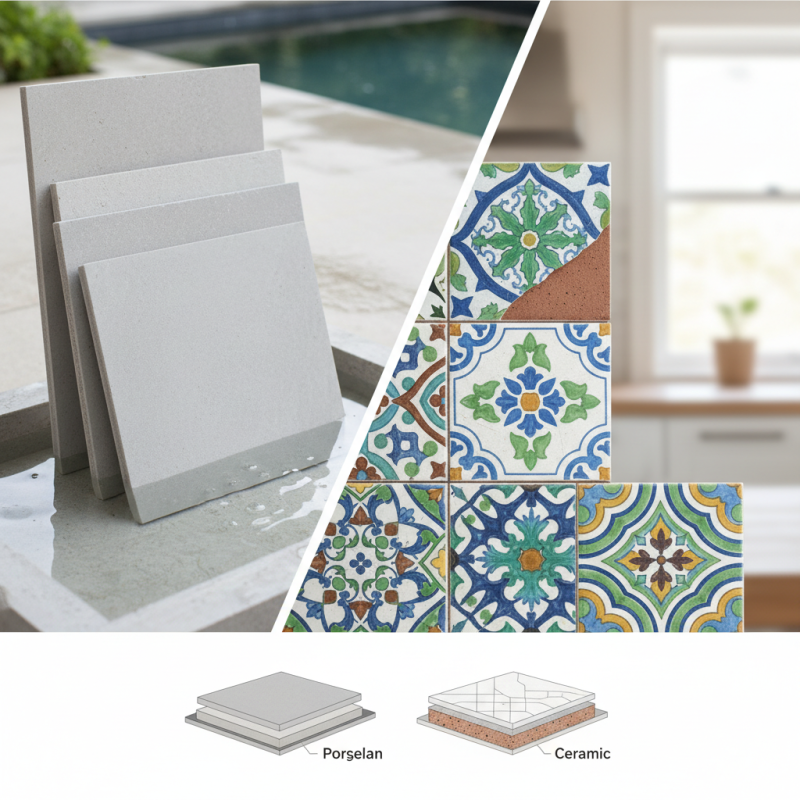
Understanding the Composition of Porcelain and Ceramic Tiles
When exploring the differences between porcelain and ceramic tiles, it's essential to understand their composition. Both types originate from clay, but the specific materials and processes vary significantly. Porcelain tiles contain finer clay and are fired at higher temperatures. This results in a denser and more durable product. In contrast, ceramic tiles are made from coarser clay and are fired at lower temperatures, making them less resilient.
The end products serve different purposes due to their unique compositions. Porcelain tiles are less porous and more water-resistant. This characteristic makes them suitable for high-moisture areas like bathrooms and kitchens. On the other hand, ceramic tiles are often used in low-traffic spaces, such as entryways and living rooms. However, despite their lack of durability, ceramic tiles are available in a wider range of colors and designs.
In practical applications, these differences lead to various considerations when selecting tiles. A homeowner might choose porcelain for its durability but may feel limited by its design options. Conversely, ceramic tiles are more versatile in aesthetics but might not endure heavy wear and tear. Thus, understanding the composition is vital for making an informed choice.
Comparing Durability and Strength of Porcelain vs. Ceramic Tiles
When considering durability and strength, porcelain tiles stand out for their dense composition. They are baked at higher temperatures compared to ceramic tiles. This process makes porcelain less porous, giving it superior water resistance. Homeowners often find this feature beneficial in high-moisture areas like bathrooms and kitchens.
However, it also means that porcelain can be more challenging to install due to its density.
Ceramic tiles, on the other hand, offer a softer surface. While they are versatile and come in various styles, they are prone to chipping and cracking under heavy impact. Their absorption rate is higher. This means they can be less durable in wet conditions. In areas with heavy foot traffic, such as hallways, ceramic tiles may not last as long as porcelain. Yet, their ease of cutting makes them appealing for DIY projects.
Each material has distinct strengths and weaknesses. Understanding these differences ensures homeowners make informed choices tailored to their specific needs.
Evaluating Water Resistance: Porcelain Tiles vs. Ceramic Tiles
When choosing between porcelain and ceramic tiles, water resistance is a crucial factor. Porcelain tiles are denser and less porous than ceramic tiles. This density enables them to absorb very little moisture. In areas prone to spills or moisture, porcelain is often the better choice.
Ceramic tiles, while still popular, are more porous due to their composition. This means they can absorb more water. In cases of heavy water exposure, ceramic tiles may not perform as well. They can become stained or damaged over time. Homeowners should consider the specific application of these tiles when selecting materials for their spaces.
**Tips:** When installing tiles in wet areas, always opt for porcelain. It ensures durability and reduces the risk of water damage. Additionally, remember that the grout lines between tiles can also affect water resistance. Sealing grout regularly can help maintain a barrier against moisture. Ultimately, understanding the differences in water resistance can lead to better decision-making in tile selection.
Top 10 Differences Between Porcelain and Ceramic Tiles
| Criteria |
Porcelain Tiles |
Ceramic Tiles |
| Water Resistance |
Highly water-resistant, suitable for wet areas |
Moderately water-resistant, not ideal for prolonged moisture |
| Durability |
Very durable, can withstand heavy traffic |
Less durable, can wear down over time |
| Absorption Rate |
Low absorption rate (less than 0.5%) |
Higher absorption rate (around 3-7%) |
| Weight |
Heavier due to denser composition |
Lighter and easier to handle |
| Cost |
Generally more expensive |
Typically more affordable |
| Installation |
More challenging to install |
Easier and quicker to install |
| Surface Finish |
Can be polished or unglazed |
Often comes in a glossy finish |
| Design Variety |
Wide range of designs and colors |
Variety but typically less than porcelain |
| Maintenance |
Requires minimal maintenance |
May require more frequent cleaning |
| Suitability for Outdoor Use |
Highly suitable for outdoor applications |
Not typically recommended for outdoor use |
Examining Aesthetic Options and Design in Both Tile Types
When choosing between porcelain and ceramic tiles, aesthetics play a central role. Porcelain tiles often present a sophisticated, high-end appearance. Their dense structure allows for intricate designs and prints. This makes them ideal for replicating natural stone or wood. Many homeowners appreciate the sleek, modern look of porcelain for their kitchens and bathrooms.
Ceramic tiles, in contrast, offer diverse aesthetic options. They come in various colors, patterns, and finishes, allowing for personalized designs. They can suit both traditional and contemporary styles. However, they may lack the depth of color variation found in porcelain. Some might find ceramic tiles less durable for high-traffic areas, which can limit their long-term appeal.
Visualizing a space is essential. A porcelain tile might enhance a luxurious hotel lobby, while ceramic could warm up a cozy family room. Reflecting on these choices, the decision often boils down to the specific look you desire. Consider the blend of functionality and beauty. Think about how each tile type resonates with your personal style and the overall ambiance of your space.
Considering Cost and Installation Factors for Porcelain and Ceramic Tiles
When choosing between porcelain and ceramic tiles, cost and installation are pivotal factors. Porcelain tiles usually come with a higher price tag. They are denser and more durable, making them suitable for high-traffic areas. The initial investment can feel daunting, but their longevity may justify the expense. Ceramic tiles, on the other hand, offer a more budget-friendly option. They are easier to cut and install, which can save you money on labor.
Installation plays a crucial role in tile selection. Porcelain tiles require a bit more expertise to install correctly. Their weight and density can make installation more challenging. This might lead to higher labor costs. Conversely, ceramic tiles are lightweight and easier for DIY projects. They can be installed quickly, allowing for less disruption in your home. However, the ease of installation might tempt some to overlook proper techniques. This can lead to future issues like cracking or uneven surfaces.
Ultimately, both tile types offer unique benefits. Understanding the cost implications and installation requirements will help you make a more informed decision. Consider your long-term plans. You might prioritize durability or choose based on immediate budget constraints. Each option holds value, but the right choice varies for everyone.
Comparison of Porcelain and Ceramic Tiles
FAQS
: Porcelain tiles are denser and less porous, making them better at resisting moisture.
Porcelain tiles absorb very little water, reducing the risk of damage in areas prone to spills.
Ceramic tiles are more porous and can become stained or damaged with heavy water exposure.
Porcelain tiles can replicate natural materials with intricate designs, providing a sophisticated look.
Yes, ceramic tiles come in various colors and patterns, allowing for more personalized designs.
Porcelain tiles are generally more expensive due to their durability, which can justify the initial cost.
Porcelain tiles require more expertise and labor, while ceramic tiles are easier to install for DIY projects.
Yes, improper installation can result in issues like cracking or uneven surfaces over time.
Reflect on the blend of functionality and aesthetics based on your personal style and space requirements.
Yes, sealing grout lines can help maintain water resistance and reduce moisture issues.
Conclusion
When considering home renovation or design, many people ponder what is the difference between porcelain and ceramic tiles. Both types of tiles have unique compositions, with porcelain being denser and made from finer clays, while ceramic tiles are composed of a broader range of materials. This fundamental difference leads to variations in durability and strength; porcelain tiles are generally more resistant to impacts and wear, making them suitable for high-traffic areas.
Moreover, water resistance sets porcelain tiles apart as they are less porous, suitable for moisture-prone environments like bathrooms and kitchens. Aesthetically, both tile types offer a range of designs and finishes, allowing for versatile applications in various décor styles. Finally, cost and installation factors can also differ, with porcelain typically being more expensive and more complicated to install due to its density. Understanding these distinctions helps homeowners make informed choices aligned with their specific needs and preferences.

 Rock Stone