In today's design landscape, the question arises: can decorative tiles be customized in China for various projects? The answer is a resounding yes, offering endless possibilities for personalization. China is renowned for its tile manufacturing capabilities, making it a hub for unique designs and craftsmanship.
Customization allows designers and homeowners to express their creativity. From vibrant colors to intricate patterns, the options are vast. Local artisans and manufacturers often collaborate closely with clients to create tailored solutions. This partnership can result in stunning outcomes that reflect individual tastes and project needs. However, navigating the customization process can present challenges. Communication barriers may arise, and not all manufacturers offer the same level of service or quality.
Ultimately, while customization is possible, it's crucial to understand the available options and limitations. Careful selection of suppliers can greatly influence the end result. As you explore this avenue for your projects, consider the balance of creativity and practicality. Engaging with the right experts in the field can lead to impressive and personalized final products.
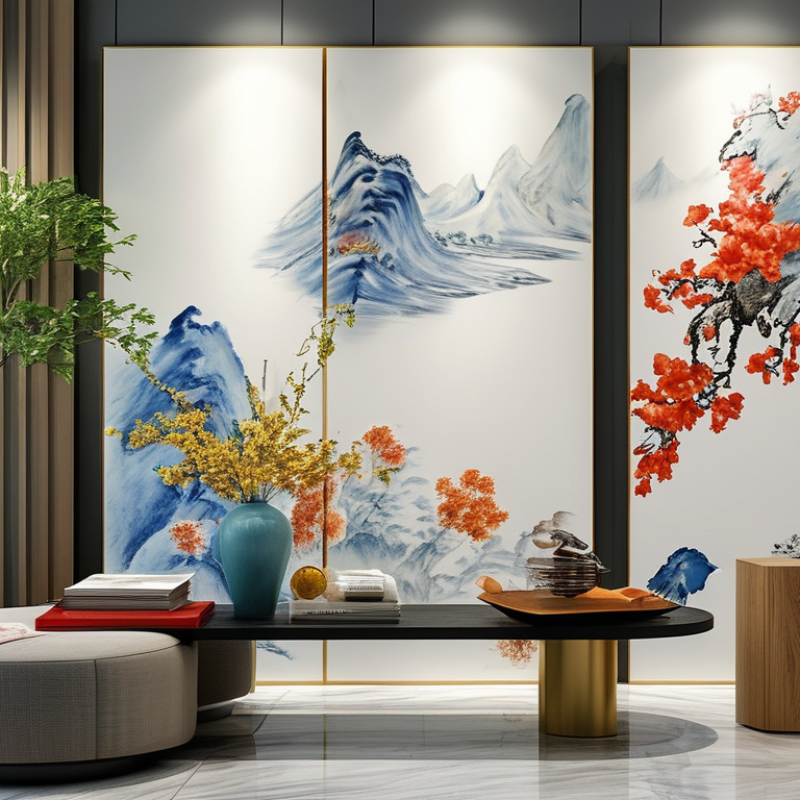
When considering decorative tiles in China, the variety is striking. Options range from traditional ceramics to modern mosaics. Each type offers different aesthetics and functionalities for your projects. Local artisans often incorporate unique designs that reflect regional culture. This adds a personal touch to any space.
Customization is a vital aspect. Many suppliers allow clients to modify colors, patterns, and sizes. However, the process can be challenging. It might be difficult to communicate specific visions. Additionally, not all manufacturers have the same level of expertise. Some may struggle to maintain quality during customization, leading to frustration.
Cost is another consideration. While you want elegance, budget constraints matter. Some decorative tiles are affordable, while others can be pricey. It's essential to weigh the options carefully. Visiting local workshops might help you understand the materials better. Engaging directly with craftsmen can also yield unique insights into their work. This experience could guide your decisions effectively.
| Tile Type | Customization Options | Material | Average Price (per sq.m) |
|---|---|---|---|
| Ceramic Tiles | Print Design, Shape | Ceramic | $15 - $30 |
| Porcelain Tiles | Color, Custom Molds | Porcelain | $20 - $50 |
| Glass Tiles | Color Options, Texture | Glass | $30 - $70 |
| Stone Tiles | Finish, Size | Natural Stone | $50 - $150 |
: Options include traditional ceramics, modern mosaics, and natural stone. Each type has unique aesthetics and functions.
Yes, many suppliers offer customization. You can modify colors, patterns, and sizes to fit your vision.
No, it can be challenging. Communicating specific designs may lead to misunderstandings or delays with manufacturers.
Prices vary widely. Some tiles are affordable, while others can be quite expensive. Budgeting is essential.
Consider colors, patterns, and textures. Be mindful of your budget and timelines to avoid issues later.
Common materials include ceramic, porcelain, and natural stone. Each material offers different properties and durability.
Quality control is crucial. Ensuring tiles meet specifications prevents issues during mass production.
Yes, visiting local workshops provides insights into materials and craftsmanship. It can inform your decision-making.
Yes, it's common to face unforeseen issues. Reflection on the process can improve future outcomes and decisions.
The article "Can You Customize Decorative Tiles in China for Your Projects?" delves into the various aspects of customizing decorative tiles, offering a comprehensive overview of available options in China. It starts by exploring the diverse types of decorative tiles and then outlines the essential steps and considerations involved in the customization process. The article highlights the materials and techniques utilized in creating custom tiles, ensuring that readers understand the craftsmanship involved. Additionally, it examines the latest design trends and inspirations that can enhance tile projects, ultimately answering the critical question: can decorative tiles be customized?
Sourcing and establishing partnerships with manufacturers in China is also discussed to facilitate the customization of decorative tiles effectively. The insights provided serve as a valuable guide for anyone looking to take on tile projects, ensuring that they can navigate the customization process with confidence and creativity.

 Rock Stone