How to Create Stunning 3D Wall Effects in 2026?

Time:2026-05-25 Author:Madeline
0%

In recent years, interior design has evolved dramatically. A key trend gaining momentum is creating 3D wall effects. According to a recent market report, the global 3D wall panel market is expected to grow by over 15% annually through 2026. Homeowners and designers are increasingly seeking unique ways to enhance spaces with innovative designs.

So, how to create 3D wall effects? This question is at the forefront of modern interior design. Options range from textured panels to intricate wall art. Professionals often emphasize the use of high-quality materials. Cheap products can lead to disappointing results. A strong foundation in design principles is crucial for successful outcomes. However, many designers overlook this aspect, leading to less-than-stellar presentations.

Even with the right tools, the results can vary. Experimentation is essential to achieve stunning effects. Not all methods work for every space; what fits one room may not suit another. While guidance is available, designers must assure they adapt techniques to their specific environments. Embracing these challenges can lead to breathtaking interiors. The journey of learning how to create 3D wall effects is just beginning.
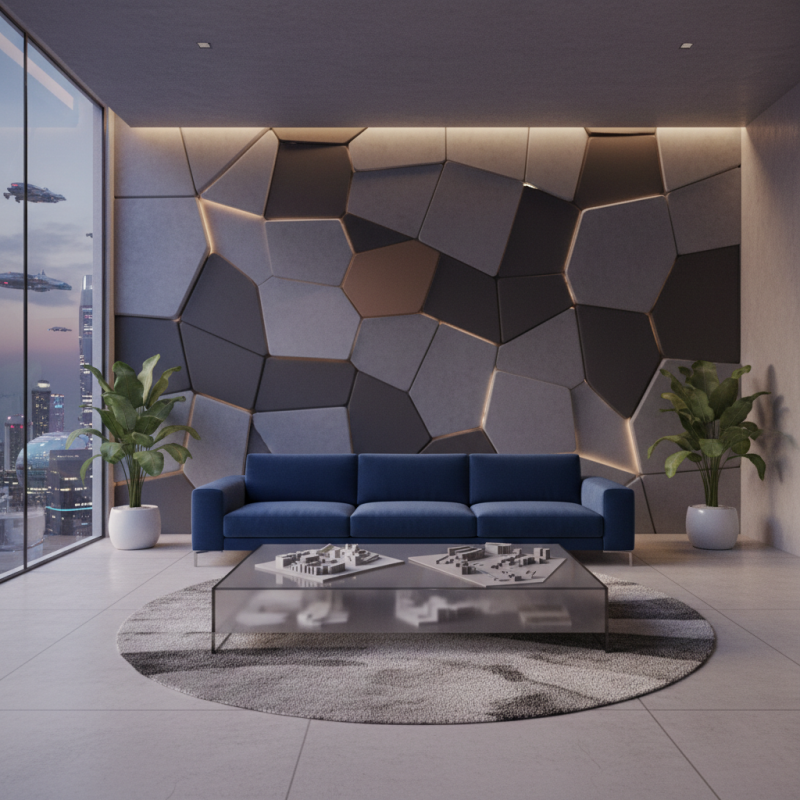
How to Create Stunning 3D Wall Effects in 2026?

Types of 3D Wall Effects Popular in 2026

In 2026, 3D wall effects continue to reshape interior spaces, providing depth and character. Textured wall panels, made of materials like MDF and gypsum, have gained popularity. According to a recent report by Allied Market Research, the global market for decorative wall panels is projected to reach $10 billion by 2025. This surge indicates a strong consumer preference for innovative designs.

Another popular trend in 2026 is the use of 3D mural wallpapers. These wallpapers create illusions of depth and scenery, transforming a flat surface into an engaging focal point. A survey by Market Research Future shows that wallpaper sales are expected to grow 4.5% annually until 2030, reflecting a shift towards immersive decor experiences. Many designers have noted clients are eager to experiment but often struggle with choosing the right textures and colors.

Lighting plays a crucial role in enhancing 3D wall effects. Well-placed LED lights can cast shadows, enhancing textures and creating a dynamic environment. However, achieving the perfect balance of light and shadow is challenging. A poorly lit wall can flatten the intended effect, leading to disappointment. Homeowners must invest time in planning to fully realize their design vision.

Essential Tools and Materials for Creating 3D Wall Effects

Creating stunning 3D wall effects requires the right tools and materials. Essential items include a quality sponge, foam rollers, and textured brushes. These tools help achieve depth and dimension. Using different textures can lead to various appearances. Experiment with how they interact with light.

Paint is crucial for these effects. Choose a base color that complements your space. A satin or matte finish often works well. For more depth, use a contrasting color. This contrast can enhance the 3D effect. Don't forget about adhesive materials. Glue or double-sided tape can secure 3D elements.

Consider adding layers of materials such as wood or fabric. These can provide a unique touch. The interplay of texture invites reflection. Sometimes the results may not meet expectations. Embrace this as part of the creative journey. Artists often learn from what doesn’t work. This process can lead to new ideas and techniques.

Step-by-Step Guide to Designing Your 3D Wall Effect

Creating stunning 3D wall effects requires a blend of creativity and technical skills. The first step is understanding the spatial dynamics of your space. According to recent industry reports, 3D wall designs can increase perceived space by up to 30%. This illusion not only attracts attention but also enhances the overall ambiance.

Choosing the right materials is crucial. Textured panels, wallpapers, and illuminative features are popular choices. However, not every material will yield the desired effect. Research suggests that high-density foam panels can achieve a more realistic appearance, while lighter materials may fade over time. Experimenting with different finishes can also lead to interesting outcomes.

Consider how lighting interacts with your wall effect. Task lighting can create shadows that add depth. However, poor lighting choices may wash out your design. It’s essential to test different setups before committing. Reflect on the balance between innovation and practicality. Not every design will captivate your audience, and revisions may be necessary to refine your vision.

Techniques for Texturing and Finishing Touches

Creating stunning 3D wall effects requires skillful techniques in texturing and finishing touches. Achieving depth and dimension starts with selecting appropriate textures. Consider materials like plaster, wood, or even stone. Each provides unique visual characteristics. For example, plaster can be molded into intricate shapes. Wood brings warmth, while stone adds an organic touch.

Once the texture is applied, the finishing touches are crucial. Paint layering plays a significant role. Use contrasting shades to enhance the 3D effect. A gentle wash of color can highlight details. Don’t overlook the importance of lighting. Proper illumination accentuates the textures, adding drama to the wall. It’s essential to experiment. Not every design will turn out as expected. Sometimes, lighter tones can overwhelm intricate details.

Mistakes can lead to unexpected results. If a texture doesn’t adhere properly, don’t rush to cover it up. Instead, think creatively. Can it become a focal point? Reflect on the imperfections. They often tell a story. This reflective process can lead to innovation. An unplanned element might just create an unforgettable wall effect. Embrace the journey of creating art on your walls.

Incorporating Lighting to Enhance 3D Wall Effects

Lighting plays a crucial role in enhancing 3D wall effects. The right lighting can dramatically change how textures and shapes are perceived. Soft, diffused lighting creates an inviting ambiance. It softly illuminates the wall, emphasizing its contours. On the other hand, directional lighting adds depth and drama. Using spotlights can highlight specific areas, drawing attention to intricate details.

Consider the color temperature of your lights. Warm lights tend to create a cozy atmosphere, while cool lights can evoke a modern, sleek feel. Experimenting with various light angles can showcase the 3D elements more effectively. For instance, lighting from above can accentuate shadows, adding complexity to the design. However, too much contrast can be overwhelming, so balance is key.

Remember, not every wall will respond the same way to lighting. Some textures might absorb light, while others reflect it strongly. Testing different combinations is essential. Take time to evaluate how changes influence the overall look. Reflecting on these aspects will lead to a more polished and engaging result. Embrace the imperfections during this creative journey; they can spark innovation.

3D Wall Effect Trends in 2026

FAQS

: What tools are essential for creating 3D wall effects?

: Quality sponges, foam rollers, and textured brushes are essential. They help achieve depth and dimension.

How do I choose the right paint for my project?

Use a base color that complements your space. Satin or matte finishes work well.

Can I use multiple textures in my design?

Yes, different textures lead to various appearances. Experiment with how they interact with light.

What materials can I layer for unique effects?

Consider wood or fabric. These materials provide unique touches and enhance texture.

What role does lighting play in these effects?

Proper illumination accentuates textures, adding drama and highlighting details.

What should I do if my texture doesn't adhere properly?

Don’t rush to fix it. Reflect on how it could become a focal point instead.

How does paint layering affect the final outcome?

Layering contrasting shades enhances the 3D effect. A gentle wash of color can highlight details.

What should I remember about mistakes in my project?

Mistakes may lead to unexpected results. Embrace imperfections; they can inspire new ideas.

Can I achieve depth without varying textures?

While varying textures helps, depth can also be achieved with paint and lighting alone.

How can I ensure my design turns out as intended?

Be patient and experiment. Not every design will meet expectations, and that’s okay.

Conclusion

In the article "How to Create Stunning 3D Wall Effects in 2026," readers are introduced to the latest trends and techniques for transforming interior spaces with impressive 3D wall designs. The piece outlines various types of 3D wall effects that have gained popularity, alongside essential tools and materials needed to bring these artistic visions to life.

A comprehensive step-by-step guide is provided, detailing the design process while also highlighting effective techniques for texturing and adding finishing touches. Additionally, the article emphasizes the importance of incorporating lighting to elevate the visual appeal of 3D wall effects, creating dynamic and captivating environments. This resource serves as a valuable guide for anyone looking to learn how to create 3D wall effects that stand out in modern interiors.

Madeline

Madeline

Madeline is a dedicated marketing professional with a wealth of expertise in our company's core offerings. With a keen understanding of the industry, she brings a unique perspective to her role, consistently delivering high-quality content that highlights the superior aspects of our products. As......