How to Combine Wood Look and Stone Tiles from China?

Time:2026-10-13 Author:Sophia
0%

How to combine wood look and stone tiles is no longer a minor styling question. It is a practical material decision for kitchens, bathrooms, hallways, and open-plan living spaces. Grand View Research identifies durability, water resistance, and design flexibility as major ceramic tile market drivers. Mordor Intelligence also reports continued demand for porcelain tiles in residential renovation and commercial construction. These trends explain why Chinese tile manufacturers increasingly offer coordinated wood-look and stone-effect collections.

The design challenge is visual balance. Wood-look porcelain can soften a room with warm oak lines and quiet grain. Stone-effect tiles can anchor it with mineral texture, limestone movement, or concrete-like depth. Scott Carothers, a tile industry specialist associated with the Tile Council of North America, describes the appeal clearly: “Wood-look tile offers the beauty of wood with the durability and easy maintenance of tile.” That performance matters, but appearance still requires discipline.

Begin with undertones, not pattern names. Pair beige oak with warm limestone. Match gray wood with cool marble or slate effects. Keep one surface dominant, then use the second around an island, fireplace, shower wall, or entry border. Large-format stone tiles may need careful layout planning beside narrow wood planks. Grout color matters too. A bright white joint can interrupt the illusion. A soft gray or sand tone usually creates a calmer transition.

Samples can deceive.

View them beside windows, cabinetry, and metal finishes. Check shade variation under morning and evening light. The first combination may look attractive yet feel unsettled across a large floor. That is where careful testing, certified installation guidance, and honest revision become essential.
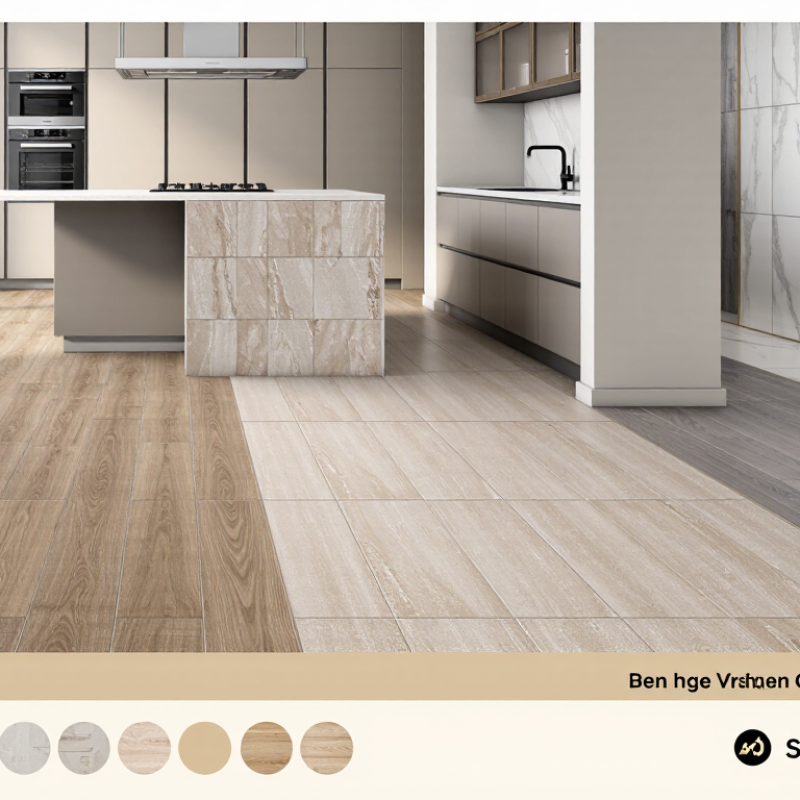
How to Combine Wood Look and Stone Tiles from China?

Define the Design Goals for Combining Wood Look and Stone Tiles

Before choosing tile colors, define the room’s purpose and emotional direction. Do you want a warm kitchen, a calm bathroom, or a dramatic entryway? Wood-look porcelain can soften a space, while stone-look tile adds visual weight and structure. These materials should support one clear design goal.

Start with the main surface. In a narrow hallway, stone-look tile can frame the floor, while wood-look tile creates a softer transition into living areas. Keep similar undertones, such as warm beige with muted brown. Strongly different tones may make the floor feel divided. Not every contrast works.

Scale also matters. Large stone-look tiles can make a small room feel less crowded, but narrow wood-look planks may emphasize length. Check real samples under morning and evening light. Digital images often hide shade variation. I once approved a sample that looked neutral online, yet appeared yellow beside white cabinets. That assumption was wrong. Use samples together, with grout included.

Set practical goals before installation. Kitchens and bathrooms need surfaces with suitable slip resistance, low water absorption, and easy cleaning. Ask Chinese tile suppliers for technical data, shade consistency, edge precision, and sample approval procedures. Confirm carton quantities and batch information before ordering. A beautiful pattern becomes frustrating when replacement tiles differ noticeably. Leave expansion joints where professional installation standards require them, especially across larger areas. Think about maintenance too. Textured stone surfaces may look authentic, but their deeper grooves can collect dust. The design should be attractive on a busy Tuesday, not only in a showroom.

Choose Matching Colors, Textures, Sizes, and Tile Finishes

Combining wood-look and stone tiles from China works best when one material leads. Grand View Research estimates the global ceramic tiles market at about USD 227 billion in 2023. That scale offers many colors, formats, and finishes, but choice needs discipline. Warm oak tones suit beige limestone effects, while ash wood pairs better with cool gray stone. Avoid matching every shade. Controlled contrast creates depth.

Texture matters under changing light. A lightly brushed wood-look tile can balance a softly veined stone tile. Highly polished stone beside heavily embossed wood may feel visually noisy. I have seen this mistake in sample boards. It looked attractive indoors, then harsh near a window. Test full-size pieces in morning and evening light. Small samples can mislead.

Size also controls rhythm. Use long planks, such as 200×1200 mm, with 600×1200 mm stone tiles for a calm transition. Align grout lines where possible. The TCNA Handbook recommends planning movement joints and installation details before setting tiles, not after. For wet areas, porcelain meeting ANSI A137.1’s 0.5% maximum water absorption requirement offers a practical benchmark. Choose matte or satin finishes for floors, and reserve glossy surfaces for walls. A slight color variation between Chinese production batches is possible, so approve one physical batch before ordering. Perfect harmony is not always realistic.

Plan Layouts That Balance Wood Warmth with Stone Character

How to Combine Wood Look and Stone Tiles from China?

A balanced floor begins with a clear visual hierarchy. Use wood look tiles to create warmth in living areas, hallways, or bedrooms. Place stone tiles around kitchens, entrances, and fireplaces where their texture feels practical and grounded. Choose one dominant tone, then let the second material support it. Warm oak effects pair well with beige, taupe, or soft gray stone. Avoid matching every color exactly. A little contrast gives the room character.

Before ordering from China, request physical samples and technical data. Check shade variation, tile thickness, water absorption, slip resistance, and surface finish. I have found that screen colors can mislead, especially with textured stone designs. View samples in morning and evening light. Plan the transition carefully. A narrow stone border can separate materials, but a random change may look accidental. Large rooms often benefit from aligned grout joints, while smaller spaces can use a simple staggered layout.

Tips: Keep grout colors within the same temperature. Use matte finishes together when possible. Confirm actual tile sizes before drawing the plan. Leave movement joints at suitable areas. I once underestimated lighting, and the stone appeared much darker after installation. That mistake changed the room’s balance. Test the full palette on the floor before fixing anything permanently. Good design is not always perfect. It should feel intentional, comfortable, and honest.

Install Transitions, Grout Lines, and Edge Details Correctly

How to Combine Wood Look and Stone Tiles from China?

Install Transitions, Grout Lines, and Edge Details Correctly

Combining wood-look and stone tiles requires more than matching colors. Check each carton for size, thickness, shade, and warpage before installation. Chinese tile batches can show slight calibration differences, so dry-lay both surfaces first. This reveals awkward joints early.

Keep grout lines visually consistent. A 2–3 mm joint often suits rectified tiles, while irregular stone-look pieces may need wider spacing. Do not force one measurement everywhere. The transition should follow the room’s sightline, not simply the tile edge. Use a flexible movement joint where floors meet walls or large areas change direction. A rigid grout line can crack there.

Height differences need careful planning. Set the bedding thickness before fixing the first tile. For small changes, a sloped transition profile can reduce toe-catching and protect exposed edges. For equal-height floors, align the transition with a doorway or furniture line. Exposed stone edges may need a metal profile, polished edge, or matching trim. Test the finish under real lighting. Glossy edges can look harsh beside matte wood textures.

A common mistake is sealing too early. Let the grout cure according to the manufacturer’s instructions, then remove residue gently. The neatest layout may still need adjustment around door frames. That is not failure; it is often better than forcing a narrow, uneven cut.

Maintain the Combined Tile Surface for Long-Term Durability

When wood-look and stone tiles from China share one room, maintenance must respect both surfaces. Porcelain wood-look tiles usually resist moisture, but natural stone can absorb oils and acidic cleaners. Confirm the tile type before choosing a sealer. A product suitable for limestone may be unnecessary for glazed porcelain.

Grit is the enemy. Place absorbent mats near entrances, and vacuum with a soft brush regularly. Use a pH-neutral cleaner with warm water, then dry the surface with a clean microfiber mop. Avoid vinegar, bleach, and rough scouring pads, especially around polished stone. Clean spills quickly, including coffee, cooking oil, and muddy water. These marks can settle into porous stone and discolor grout. Keep it gentle.

Inspect the grout and tile edges every few months. Look for hairline cracks, loose corners, or dark joints that stay damp. Repair small defects early, before water reaches the bedding layer. For natural stone, follow the installer’s sealing schedule and test the sealer in a hidden area. Wood-look porcelain normally needs no sealing, but its grout still requires care. I once used too much cleaner near a stone transition, and a dull film remained for days. The mistake was simple: more product did not mean better cleaning. A small test area would have prevented it. Also, use felt pads beneath furniture and lift heavy items instead of dragging them. Small checks matter.

How to Combine Wood Look and Stone Tiles from China? - Maintain the Combined Tile Surface for Long-Term Durability

Water absorption is a key technical factor when combining wood-look and stone-look tiles. Lower absorption generally helps reduce moisture-related staining and freeze-thaw risks, especially in wet or outdoor applications.

The chart shows the upper water-absorption limits for common ceramic tile groups under ISO 13006 classification. For a visually consistent and durable combined surface, select wood-look and stone-look tiles with compatible absorption levels, use matching grout joints, remove residue promptly, and inspect grout and movement joints regularly.

Reference basis: ISO 13006 water-absorption classification. BIa ≤0.5%, BIb ≤3%, BIIa ≤6%, and BIIb ≤10%. Actual performance also depends on installation quality, substrate movement, climate, and maintenance.

FAQS

How should I combine wood-look and stone-look tiles?

Let one material lead. Use wood-look tile for warmth and stone-look tile for structure. Keep their undertones related, such as warm beige and muted brown.

Which colors work well together?

Warm oak tones suit beige stone effects. Ash wood works better with cool gray stone. Avoid matching every shade. Controlled contrast creates depth.

How can tile size change a room?

Large stone-look tiles can make small rooms feel less crowded. Narrow wood-look planks may emphasize length. Long planks can pair with large rectangular stone tiles.

Should I trust online tile images?

No. Screens often hide shade changes. View full-size samples in morning and evening light. A tile may look neutral online but appear yellow beside white cabinets.

How do texture and finish affect the design?

Pair lightly brushed wood with softly veined stone. Avoid combining heavily embossed wood with highly polished stone. That combination may look harsh near a window.

What tile features matter in kitchens and bathrooms?

Choose low water absorption, suitable slip resistance, and easy-clean surfaces. Matte or satin floors are usually practical. Glossy finishes are better suited to walls.

What should I confirm before ordering tiles?

Ask for technical data, shade consistency, edge precision, and sample procedures. Confirm carton quantities and batch details. Replacement tiles may not match perfectly.

How can I prevent maintenance problems?

Check textured stone surfaces carefully. Deep grooves can collect dust during a busy week. A showroom sample may look beautiful, but daily cleaning can change your opinion.

Do wood-look and stone-look tiles need movement joints?

Larger installations may require expansion or movement joints. Plan them before setting tiles. This detail is easy to overlook, and correcting it later can be frustrating.

Conclusion

Learning how to combine wood look and stone tiles begins with defining the desired atmosphere, function, and visual balance of each space. Wood look tiles can add warmth and a natural feeling, while stone tiles contribute texture, strength, and a grounded character. To create a harmonious design, coordinate their colors, patterns, sizes, and surface finishes rather than choosing materials in isolation. Soft wood tones can pair well with neutral stone shades, while similar textures or carefully chosen contrasts can make the combination feel intentional. Tiles sourced from China can offer a wide range of styles suitable for residential and commercial interiors.

A successful installation also depends on thoughtful planning. Use layout changes, borders, or transition strips to separate areas without making the floor appear disconnected. Keep grout lines aligned where possible, select grout colors that complement both tile types, and finish exposed edges with clean, durable details. After installation, regular sweeping, prompt spill removal, suitable cleaning products, and periodic inspection of joints will help preserve the surface. With careful coordination and maintenance, wood look and stone tiles can create a durable, comfortable, and visually balanced interior.

Sophia

Sophia

Sophia is a dedicated marketing professional with an exceptional depth of knowledge about her company's products and services. With a keen understanding of market trends and customer needs, she crafts insightful blog posts that not only inform but also engage readers, enriching the company’s online......