Choosing tiles for small spaces can significantly impact how the area feels and functions. According to a report by the National Tile Contractors Association, the right tiles can make a small room appear larger by using optical illusions. This insight is crucial for homeowners and designers alike. James Anderson, a renowned interior designer, emphasizes, “Selecting the right tiles is key; they can transform cramped areas into stylish retreats.”
When considering how to choose tiles for small spaces, one must focus on color, size, and texture. Lighter colors tend to reflect light, enhancing the illusion of space. Small tiles can create intricate patterns, but they can also overwhelm a tiny area. Proper planning is essential to avoid feeling cramped. Data from a recent survey indicates that 75% of homeowners regret poor tile choices related to size in small rooms.
Tile selection is not just about aesthetics. The functionality and maintenance of tiles play a crucial role in small spaces. Slip resistance is vital in bathrooms and kitchens. Balancing style with practicality poses challenges. Reflecting on choices made in the past can lead to better decisions for future projects.
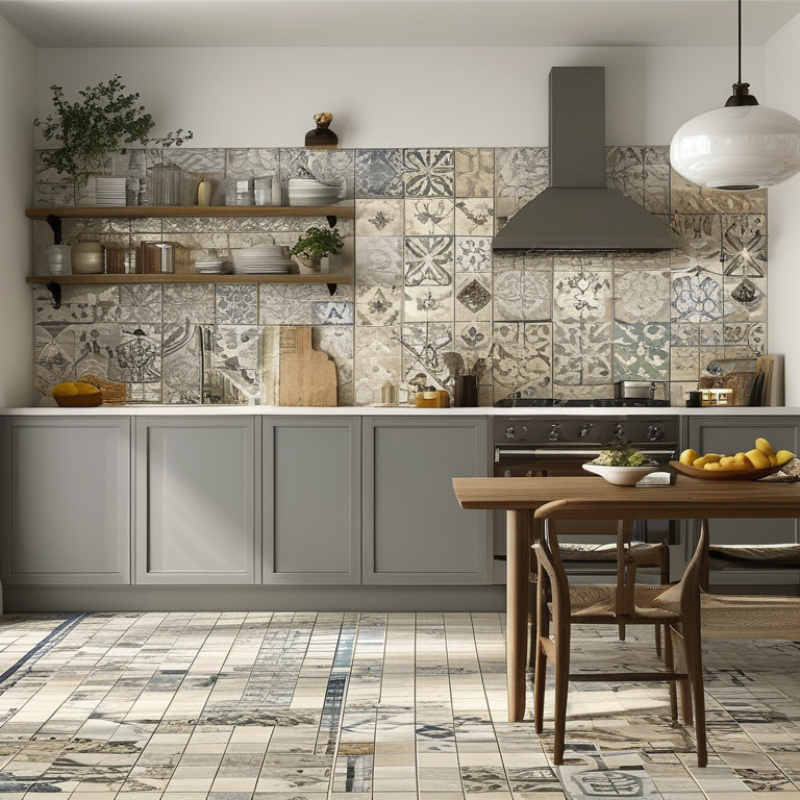
Choosing tiles for small spaces presents unique challenges. The limited area requires careful consideration of color, pattern, and texture. Lighter colors can create an illusion of space. They reflect light and make the area feel larger. Avoid dark shades that can make a small room feel cramped.
The tile size also plays a critical role. Larger tiles can be striking but may overwhelm a tiny area. Consider smaller tiles in creative patterns. They can add visual interest without overcrowding. Using grout lines wisely can enhance or diminish the perception of space. Choosing a consistent color for grouting can create a seamless look, further stretching the visual space.
Texture is another important element. Matte tiles can absorb light, while glossy finishes reflect it. Balancing these textures will enhance depth without making the room feel busy. It is essential to assess how different tiles interact with your lighting. Test samples in your space before making a decision. Remember, the goal is to find harmony while keeping practicality in mind.
When choosing tiles for small spaces, certain types stand out. Light-colored tiles create an illusion of openness. They reflect light, making the room feel larger. Consider glossy finishes that enhance this effect. Large-format tiles can also work wonders. Fewer grout lines lead to a seamless look. This can visually expand the area.
Textured tiles add depth without overwhelming the space. A subtle pattern can bring personality. It’s essential to balance the design with the room size. Too much detail might crowd the area. Matte tiles can provide a grounding effect, offering warmth and depth.
Remember to think about the layout. Diagonal patterns can draw the eye across the space. This technique can help elongate narrow areas. However, it’s crucial to avoid overcrowding with complex designs. A thoughtful choice in tile type can enhance the comfort and style of a small room.
| Tile Type | Material | Advantages | Recommended Use |
|---|---|---|---|
| Porcelain Tiles | Porcelain Clay | Durable, water-resistant, suitable for heavy foot traffic | Bathroom, kitchen, and entryways |
| Ceramic Tiles | Red or White Clay | Versatile, easy to clean, available in various designs | Living rooms and kitchens |
| Glass Tiles | Glass | Reflective, brightens up space, variety of colors | Backsplashes and accent walls |
| Natural Stone Tiles | Marble, Granite, Slate | Unique patterns, luxury feel, durable | Living spaces and bathrooms |
| Vinyl Tiles | PVC or Vinyl | Cost-effective, easy to install, comfortable underfoot | Bedrooms and home offices |
When selecting tiles for small spaces, color and pattern play crucial roles. Light colors often create a sense of openness. Shades like white, beige, and soft pastels can make a room feel larger. Dark tiles can be striking but might overwhelm a small area. It’s essential to balance these choices. Keep in mind that a small room needs warmth too.
Patterns can add depth to small spaces but should be approached cautiously. Large, bold patterns can make walls seem closer than they are. Opt for smaller, more intricate designs that offer visual interest without overwhelming. Geometric shapes or subtle textures can enhance the space’s look. They provide uniqueness while keeping the area open.
Tips: Choose monochromatic designs to maintain simplicity. Use contrasting grout colors to add definition. Experiment with various layouts; sometimes, diagonal placements create a sense of space. Be aware that not all colors and patterns suit every room. Evaluate how natural light interacts with your choices throughout the day. Balancing aesthetics with functionality is key in small spaces.
When selecting tiles for small spaces, layout techniques play a crucial role in enhancing the perception of space. Proper arrangement can visually expand an area, making it feel more open. For example, using larger tiles can minimize grout lines and create a seamless look. This illusion can trick the eye into seeing a more spacious environment.
Diagonal layouts can also create a dynamic effect. Arranging tiles at an angle can draw the eye outward, enhancing the depth of the room. Alternately, using rectangular tiles in a herringbone pattern adds sophistication while elongating the space. However, care must be taken not to overcomplicate the design, as excessive patterns can make a small room feel cluttered.
It’s essential to consider color as well. Lighter shades reflect more light, making a small area seem airier. Dark hues can visually shrink a room if not used thoughtfully. Mixing textures can be beneficial too; glossy finishes reflect light, while matte options can absorb it. Balancing these elements requires careful thought and testing in different lighting conditions.
Maintaining tiles in small living areas can be challenging yet rewarding. Regular cleaning is crucial. Use a soft broom or vacuum to remove dust and debris. A damp mop with mild detergent works wonders. Avoid harsh chemicals, as they can damage the tile surface. Check for stains early and tackle them promptly to prevent long-term damage.
Proper sealing is also important. Unsealed tiles can absorb spills, leading to stains and discoloration. Reapply sealant every few years to maintain the tile's integrity. Using coasters and mats can prevent scratches and keep tiles looking fresh. Don't underestimate the power of simple care—it can make a significant difference.
Lastly, consider the layout when choosing tiles. Large tiles can make a small space feel more expansive, while intricate patterns might overwhelm. Aim for balance. Remember, finding the right tile is a journey. Reflect on what works best for your space. Adjust as needed, and you'll create a small area that feels vibrant and inviting.
: Light colors like white or beige create an illusion of space. They reflect light and make areas feel larger.
Smaller tiles are often better for tiny areas. They add interest without overwhelming the space.
Consistent grout colors can create a seamless look. This helps expand the perception of space visually.
A balance of textures is important. Matte tiles absorb light, while glossy tiles reflect it, enhancing depth.
Opt for small, intricate designs. Large patterns may make walls feel closer, visually shrinking the space.
Dark tiles can be striking but may overwhelm. It's essential to balance warmth with openness in small rooms.
Yes, different tiles interact with lighting variably. Always test samples in your space before finalizing choices.
Warm colors are important. Combine light colors with warmer tones to maintain a cozy feeling in small areas.
Experiment with layouts like diagonal placements. They can create a sense of more space in small areas.
Evaluate how various tiles respond to changing natural light throughout the day. Balance aesthetics with functionality for best results.
When considering how to choose tiles for small spaces, it's essential to understand the unique challenges that these areas present. The right selection can significantly impact the overall perception of space. Popular tile types that work well in limited areas include smaller formats and lighter materials, which can help to create an illusion of openness. Additionally, color and pattern play crucial roles; lighter colors and subtle patterns tend to make a space appear larger, while bold designs can be strategically used as accents if executed thoughtfully.
Effective layout techniques, such as using larger tiles in a diagonal pattern, can further enhance the perception of depth. To maintain the fresh look of tiles in small living areas, practical cleaning and upkeep tips should also be implemented. By considering these factors, one can successfully navigate the complexities of tile selection and installation in compact spaces.

Rock Stone