Choosing tile is not only a style decision. It affects safety, maintenance, lighting, and the everyday feeling of a space. This guide explains why choose matte finish tiles for bathrooms, kitchens, entryways, living areas, and commercial interiors.
“Beautiful tile still needs the right installation and maintenance plan,” says Bart Bettiga, a longtime tile industry educator and former executive director of the National Tile Contractors Association. His point is practical. A matte surface may hide fingerprints, reduce glare, and create a calm, natural appearance. However, it does not automatically provide slip resistance. Product testing, texture, grout selection, and correct installation still matter.
Light matters. Matte tiles scatter reflections across a floor instead of creating sharp, mirror-like highlights. A charcoal porcelain tile can make a large hallway feel grounded, while a warm beige tile can soften a small bathroom. Yet color samples can mislead. Store lighting rarely matches a home’s morning sunlight or evening bulbs. Place several samples near cabinets, windows, and wet areas before deciding.
A reliable selection process checks the tile’s water absorption, wear rating, cleaning instructions, and slip-resistance data. Porcelain often suits busy floors, but every product deserves individual review. Textured matte tiles may improve visual depth, though deep patterns can hold soap residue or kitchen grease. Not always convenient.
The best choice balances appearance with use. Ask how the surface will feel underfoot, how quickly it will show dirt, and whether local installers understand the product. Even careful buyers overlook grout color. That small detail can change the entire design. This guide offers a realistic way to compare matte finishes, question attractive assumptions, and choose tiles that remain useful after the photographs are forgotten.
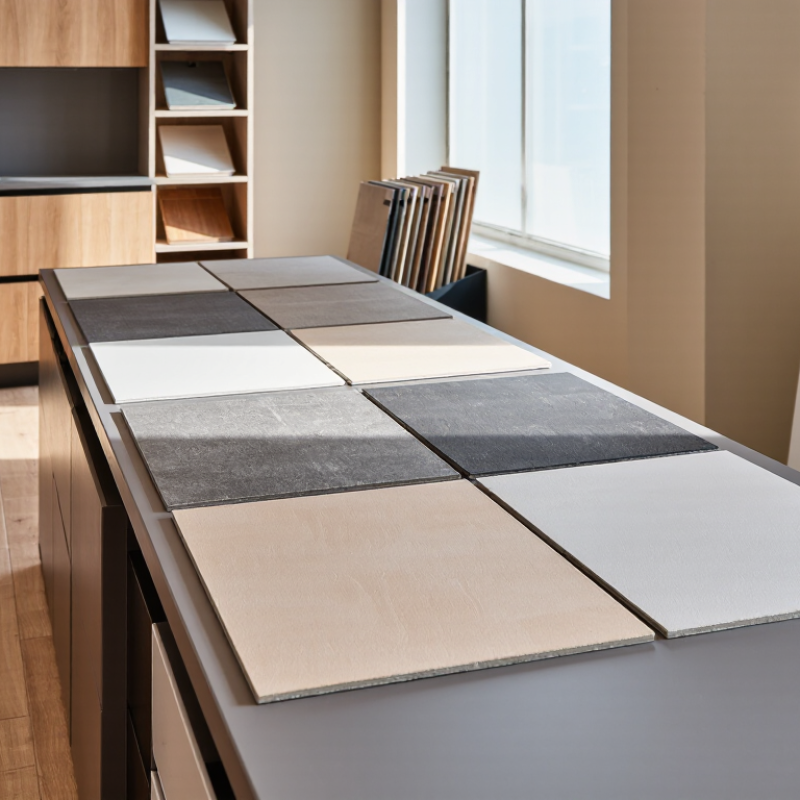
Matte finish tiles scatter light instead of reflecting it, creating a calm, powdery surface. Their low sheen can hide fingerprints, water spots, and minor scratches. The texture also improves visual depth on large walls and floors. However, matte does not automatically mean slip-resistant. The Tile Council of North America recommends checking the manufacturer’s tested wet-traction data, not relying on appearance. ANSI A137.1 also separates surface characteristics from required performance ratings.
Color changes under different lighting. A warm gray may look beige beside a window. I learned this after approving a sample under showroom LEDs. Test full-size pieces at morning, afternoon, and evening. For bathrooms, kitchens, and entrances, examine the tile after water exposure. Deep grooves may improve grip, but they can collect soap, dust, or cooking residue.
Industry demand remains substantial. Grand View Research reported the global ceramic tiles market at approximately 227 billion dollars in 2023, with continued growth projected through 2030. That expansion gives designers more matte textures, sizes, and tonal variations to compare. Large-format matte tiles reduce visible grout lines, yet they require flatter substrates and careful installation. Check shade variation, thickness, edge quality, and cleaning instructions before ordering. A tile can look elegant in a sample and feel overly dull across a dark room. That risk deserves a second opinion.
| Selection Dimension | Typical Characteristics | Key Benefits | Points to Consider | Suitable Project Uses |
|---|---|---|---|---|
| Surface Appearance | Low-reflective, non-glossy surface with a soft, understated visual effect. | Reduces glare and creates a calm, contemporary appearance. | May appear less visually bright than polished tile, especially in rooms with limited lighting. | Living areas, bedrooms, bathrooms, kitchens, offices, and commercial interiors. |
| Slip-Resistance Potential | Often provides more surface texture than polished tile, but performance varies by product. | Can offer better traction in many dry and lightly wet applications. | A matte appearance alone does not guarantee slip resistance. Check the manufacturer’s tested rating and local requirements. | Bathroom floors, entryways, kitchens, utility rooms, patios, and other areas where traction matters. |
| Cleaning and Maintenance | The less reflective surface generally disguises light smudges, water spots, and minor dust better than glossy tile. | Maintains a more consistent appearance between cleaning sessions. | Textured or deeply structured surfaces may hold more dirt and require careful scrubbing. | High-use floors, family homes, hospitality spaces, and areas where visible marks are a concern. |
| Material Selection | Common options include ceramic, porcelain, natural stone, and cement-look tile with a matte surface. | Allows selection based on water absorption, strength, appearance, and installation location. | Material properties differ significantly. Porcelain is generally denser and less water-absorbent than standard ceramic tile. | Porcelain for demanding or wet areas; ceramic for many interior walls and moderate-use floors; stone for design-focused applications. |
| Water Exposure | Matte finish describes the surface sheen, not the tile’s waterproofing or absorption level. | Suitable products can perform well in wet rooms when correctly selected and installed. | Confirm water-absorption classification, intended-use rating, grout suitability, and waterproofing requirements. | Showers, bathroom floors, kitchen backsplashes, laundry rooms, and exterior installations where approved. |
| Color and Pattern | Available in solid colors, subtle tonal variation, stone visuals, concrete looks, geometric patterns, and wood-inspired designs. | Softens reflections and can make patterns look more natural and architectural. | Dark colors and heavily textured patterns may show dust, limescale, or grout contrast more clearly. | Feature walls, floors, shower areas, open-plan spaces, and minimalist interiors. |
| Tile Size and Layout | Large-format, standard rectangular, square, mosaic, and modular sizes can all be produced with matte surfaces. | Supports different visual scales and can create continuous-looking surfaces with fewer grout joints. | Large formats require a flatter substrate and careful handling; mosaics require more grout maintenance. | Large rooms, compact bathrooms, splashbacks, niches, floors, and accent installations. |
| Durability and Traffic | Durability depends on the tile body, thickness, glaze, installation, and applicable wear classification—not solely on the matte finish. | Appropriately rated matte tiles can support residential and commercial floor applications. | Choose a product rated for the expected foot traffic and avoid using wall-only tiles on floors. | Hallways, retail areas, restaurants, offices, residential floors, and entry zones. |
| Lighting Impact | Reflects less direct light than glossy tile and produces softer highlights. | Helps limit harsh reflections from windows, downlights, and overhead fixtures. | Very dark matte tiles can make a small or poorly lit space feel visually heavier. | Bedrooms, media rooms, restaurants, offices, and spaces with strong natural or artificial light. |
| Installation and Grout | Requires a suitable substrate, correct adhesive, appropriate joint width, and grout compatible with the tile and application. | A coordinated grout color can create a uniform surface, while contrasting grout can emphasize the layout. | Uneven installation, lippage, incorrect cleaning, or unsuitable grout can affect the finished appearance. | All tile projects, especially large-format floors, wet areas, and installations with narrow grout joints. |
Note: Always review the individual product’s technical data, water-absorption information, slip-resistance test results, wear classification, installation instructions, and local building requirements before purchase.
Consider foot traffic, water exposure, furniture, shoes, and cleaning habits. An entryway needs stronger wear resistance than a quiet bedroom.
They can work well when the surface has verified slip resistance. Check performance information, especially near showers and tubs.
View samples beside windows, cabinets, and wall colors. Daylight may reveal tones hidden by showroom lighting. Samples can deceive.
Check traffic rating, water absorption, slip resistance, and recommended application. Buy extra pieces for cuts and future repairs.
Ten percent is common for simple layouts. Complex patterns or many cuts may require more. Measure carefully, but expect some waste.
The substrate should be flat, dry, and properly prepared. Large tiles need greater precision and may show lippage on uneven surfaces.
Sweep with a soft brush before damp mopping. Use a pH-neutral cleaner and clean water. Avoid wax, oily soap, and abrasive pads.
No. Seal grout only when its material and installation guidance require it. Sealing the tile itself may make textured surfaces harder to clean.
Use entry mats near exterior doors and felt pads under furniture. Blot coffee, oil, and colored cosmetics quickly. Inspect grout twice yearly.
Do not choose a finish only because it looks impressive. I once assumed heavy sealing was necessary, and cleaning became more difficult.
Choosing the right matte finish tile begins with understanding its soft, non-reflective appearance, understated texture, and practical performance. The question of why choose matte finish tiles often comes down to their ability to reduce glare, conceal minor marks, and create a calm, modern atmosphere. Before selecting a tile, consider the room’s size, moisture level, lighting, foot traffic, and slip-resistance needs. These factors will help determine whether porcelain, ceramic, stone, or another material is most suitable.
Next, compare available sizes, shapes, thicknesses, and surface textures to match both functional requirements and design goals. Color, pattern, and grout selection should work together to establish the desired visual balance while supporting easy upkeep. Careful installation planning, including surface preparation, layout, spacing, and sealing where necessary, can improve durability. Regular sweeping, gentle cleaning, prompt stain removal, and periodic maintenance will help preserve the tile’s appearance and performance for many years.

 Rock Stone