How to Choose Energy Efficient Tiles for Your Home in 2026?

Time:2026-07-05 Author:Henry
0%

Choosing the right tiles for your home is crucial, especially when considering energy efficiency. In 2026, homeowners face new challenges and opportunities. Experts emphasize the importance of selecting materials that contribute to a sustainable living environment. According to Simon Green, an authority on energy-efficient home design, “The right tiles can significantly reduce your heating and cooling costs.”

When pondering how to choose tiles for energy-efficient homes, remember several factors. First, consider the material. Natural stones and ceramic tiles often perform better in maintaining temperature. Next, examine the color. Lighter tiles reflect heat better, keeping your home cooler.

It's also essential to think about installation practices. Poor insulation can compromise the energy-saving potential of even the best tiles. Reflect on your choices and understand that every decision has an impact. Striking a balance between aesthetics and efficiency can be tricky. However, a mindful approach will lead to a more sustainable home.
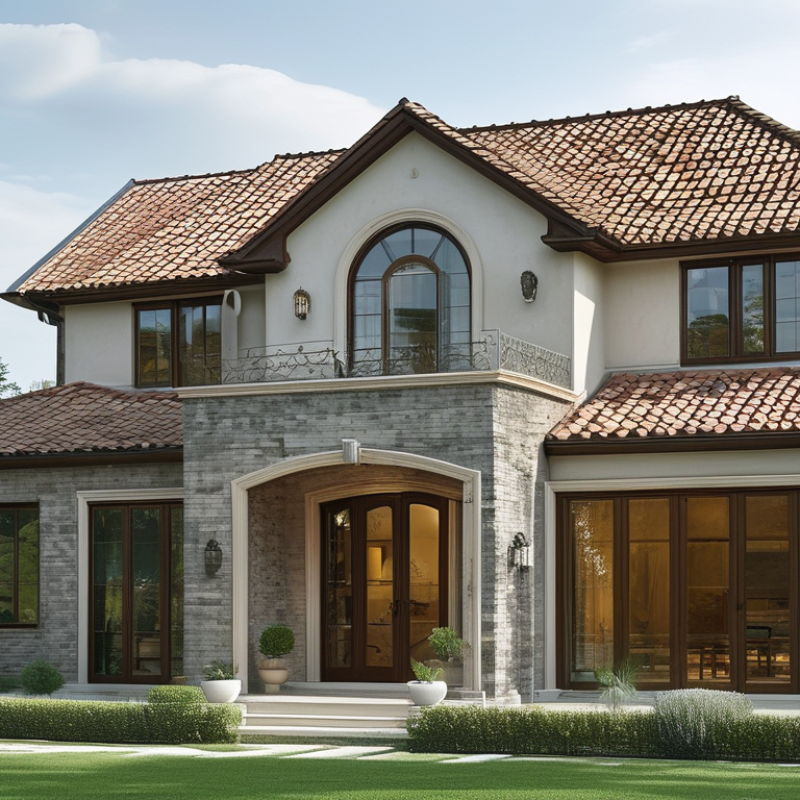
How to Choose Energy Efficient Tiles for Your Home in 2026?

Understanding Energy Efficiency in Tiles: Key Concepts for Homeowners

When selecting tiles for your home, understanding energy efficiency is essential. Energy-efficient tiles can significantly reduce heating and cooling costs. These tiles often have insulation properties that help maintain a comfortable indoor temperature. Look for materials that have a lower thermal conductivity. This means they don’t absorb heat as quickly.

Moreover, consider the color of the tiles. Lighter colors reflect sunlight, keeping your home cooler in the summer. Darker tiles absorb heat, which can be beneficial in colder climates. Tile size also matters. Larger tiles mean fewer grout lines, which can help in reducing temperature transfer.

Research is key when evaluating different tile options. Not all tiles labeled “energy-efficient” provide the same benefits. Be cautious of claims that seem too good to be true. Verify the specifications and consult reliable sources before making a decision. Keeping these factors in mind will help you choose wisely for your home.

Energy Efficiency Ratings of Different Tile Materials in 2026

Types of Energy Efficient Tiles: Materials and Their Benefits

When selecting energy-efficient tiles for your home, consider the materials and their benefits. Ceramic tiles are a popular choice. They hold heat well, reducing the need for heating in colder months. This feature can lower energy bills significantly. Porcelain tiles are another durable option. They are water-resistant and require less energy to maintain.

Natural stone, such as slate or granite, also excels in energy efficiency. They provide excellent insulation for your floors. This prevents heat loss and keeps your home comfortable. Additionally, recycled tiles can be a sustainable choice. They help reduce waste and promote eco-friendly practices.

Tips: Consider the tile's thermal mass. Higher thermal mass can lead to better energy performance. Also, check the tile's eco-labels for certified products. Lastly, always think about the aesthetic appeal. Energy efficiency and beauty can go hand in hand in your home design.

Evaluating Tile Insulation Properties: Key Factors to Consider

When selecting tiles for energy efficiency, insulation properties are crucial. The right tiles can help maintain comfortable indoor temperatures. This reduces reliance on heating and cooling systems. Look for tiles with good thermal mass. These tiles absorb and retain heat, which helps in temperature regulation.

Consider the R-value of the tiles. A higher R-value indicates better insulation. This feature can lower energy costs over time. It's essential to evaluate the tile’s material and thickness. Natural materials like ceramic or stone often provide better insulation. The installation method impacts effectiveness too. A poor installation can lead to air leaks, reducing energy efficiency.

Tips: Always check for certifications related to energy efficiency. This ensures the tiles meet specific performance standards. Visit local suppliers to ask about eco-friendly options. Making informed choices can lead to long-term benefits. Reflect on your home's overall energy needs when selecting tiles. Every detail matters when creating an energy-efficient environment.

Assessing Life Cycle Costs of Energy Efficient Tiles for Long-Term Savings

When considering energy-efficient tiles, life cycle costs play a crucial role in long-term savings. Evaluating these costs involves more than just the initial purchase price. Homeowners should consider installation, maintenance, and potential energy savings over time. For instance, tiles that retain heat can reduce heating costs in winter, while those that reflect sunlight may lower cooling expenses.

Choosing the right tile material can significantly impact your budget. For example, ceramic and porcelain are typically more durable but may have higher upfront costs. On the other hand, some vinyl options might be cheaper initially but may require replacement sooner. Reflecting on these factors can lead to wiser choices.

It's important to remember that not all energy-efficient tiles are created equal. Researching local climate conditions may influence tile performance. In humid areas, certain tiles might fare better than others. Also, consider the environmental impact of your chosen materials. Do they contribute to sustainability? This reflection on longevity and resource use is vital for ensuring true energy efficiency.

Trends in Tile Design and Technology for Improved Energy Efficiency

In 2026, tile design and technology will prioritize energy efficiency. Homeowners will seek tiles that reduce energy consumption. Innovative manufacturing techniques are emerging. These help create tiles with better insulation properties. Thus, homes will stay cooler in summer and warmer in winter.

Natural materials are gaining popularity. They have a lower embodied energy. For example, tiles made from recycled materials are beneficial. These options often reduce waste and environmental impact. Additionally, coatings that maximize natural light are becoming common. They enhance daylight without excessive heat absorption.

Yet, some energy-efficient tiles can be costlier upfront. Homeowners might hesitate due to budget constraints. It's essential to weigh long-term savings against initial investments. Understanding the overall benefits remains crucial. Ultimately, selecting tiles means balancing aesthetics and efficiency. Awareness of new trends leads to informed decisions.

FAQS

: What are some energy-efficient tile materials?

: Popular materials include ceramic, porcelain, and natural stone like slate or granite.

How do ceramic tiles help with energy efficiency?

Ceramic tiles hold heat well, reducing heating needs in colder months. This can cut energy bills.

What should I consider when evaluating tile insulation?

Focus on thermal mass, R-value, and tile material. Proper installation is also key for effectiveness.

How do recycled tiles benefit energy efficiency?

Recycled tiles reduce waste and promote eco-friendly practices in your home.

What impacts the life cycle costs of energy-efficient tiles?

Consider purchase price, installation, maintenance, and potential energy savings over time.

Are all energy-efficient tiles equally effective?

No, performance varies. Local climate conditions can impact how well tiles function.

Do tiles with higher R-values provide better insulation?

Yes, higher R-values indicate better insulation, which may lower energy costs.

Why should aesthetic appeal matter when selecting tiles?

Beautiful designs can be energy efficient too. It's important to find a balance.

What happens if tiles are poorly installed?

Poor installation may lead to air leaks, negatively affecting energy efficiency.

How can I assess the environmental impact of tiles?

Reflect on the sustainability of materials and their long-term resource use.

Conclusion

In 2026, homeowners looking to enhance energy efficiency in their residences should understand how to choose tiles for energy-efficient homes. The article outlines essential concepts, focusing on tile materials known for their insulation properties and ecological benefits. It also emphasizes the significance of evaluating tile insulation properties, enabling homeowners to make informed choices based on key factors such as thermal resistance and durability.

Furthermore, assessing the life cycle costs of energy-efficient tiles highlights potential long-term savings, making this investment worthwhile. The article showcases emerging trends in tile design and technology that not only improve energy efficiency but also add aesthetic value to homes. By considering these elements, homeowners can effectively contribute to sustainability while enjoying the beauty and comfort of their spaces.

Henry

Henry

Henry is a dedicated marketing professional with a profound expertise in the company's offerings. With years of experience in the industry, he possesses an impressive understanding of the market dynamics and consumer behaviors that drive success. Henry is committed to sharing his insights through......