How to Choose Eco-Friendly Building Materials in 2026?

Time:2026-05-16 Author:Henry
0%

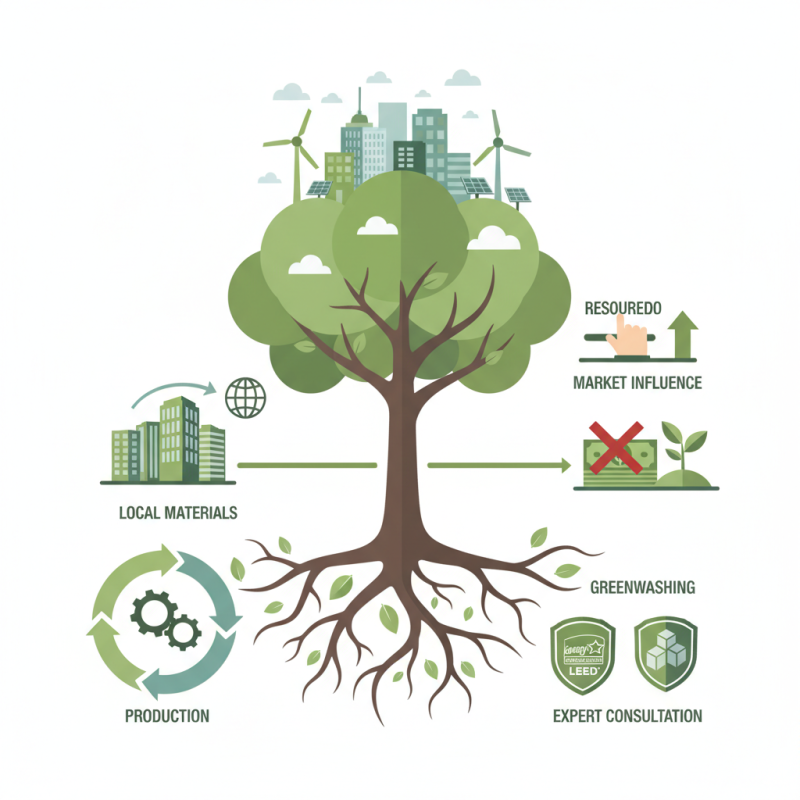
In 2026, the construction industry faces a pressing need for sustainability. Choosing eco-friendly building materials is not just a preference; it’s a necessity. The key question is how to select eco-friendly building materials effectively.

Many options exist today, but not all are truly sustainable. Understanding the resources, production processes, and lifecycle impacts is crucial. Local materials are often a good choice, reducing transportation emissions. However, even locally-sourced products can have hidden environmental costs.

Consulting experts can guide the selection process, ensuring you make informed decisions. Certifications like Energy Star or LEED provide reliable indicators of a product’s sustainability. Yet, it’s crucial to remain vigilant. Some companies may use greenwashing tactics to mislead consumers. Your choices can influence the market, and every project offers a chance to promote a greener future.
How to Choose Eco-Friendly Building Materials in 2026?

Identifying Sustainable Building Materials for Eco-Friendly Construction

Identifying sustainable building materials is crucial for eco-friendly construction. As demand grows, so does the need for materials that minimize environmental impact. According to recent industry reports, approximately 40% of global carbon emissions come from building activities. This underscores the importance of selecting the right materials.

When choosing sustainable materials, consider recycled content. Using materials like reclaimed wood or recycled metal can significantly reduce waste. Additionally, opt for locally sourced options. Transporting materials over long distances contributes to greenhouse gas emissions. A report by the World Green Building Council highlights that local sourcing can cut transportation emissions by up to 80%.

Tips: Look for certifications such as FSC or LEED. These labels ensure that materials meet specific environmental standards. Furthermore, consider the life cycle of the materials. Evaluate their durability and end-of-life disposal options. This approach promotes circular economy practices and reduces landfill waste.

Not every eco-friendly choice is perfect. Some materials may have hidden environmental costs. For example, bamboo is celebrated for being renewable but requires considerable water and energy to process. It’s essential to weigh the benefits against possible drawbacks. Awareness of these complexities can lead to more informed decisions.

How to Choose Eco-Friendly Building Materials in 2026?

Material Type Sustainability Score (1-10) Recyclability (%) Carbon Footprint (kg CO2/m²) Durability (Years)
Bamboo 9 95 14 10
Recycled Steel 8 100 5 50
Hempcrete 9 70 30 20
Sustainable Concrete 7 50 90 30
Reclaimed Wood 9 85 20 40

Evaluating the Life Cycle Impact of Building Materials

When evaluating the life cycle impact of building materials, several aspects deserve attention. Life cycle assessment (LCA) measures environmental impacts from raw material extraction to disposal. For instance, studies show that concrete has a significant carbon footprint, contributing approximately 8% to global carbon dioxide emissions. Therefore, opting for low-carbon alternatives is crucial.

It’s essential to examine resource extraction impacts. Sustainable sourcing of materials reduces ecosystem degradation. Wood certified by the Forest Stewardship Council (FSC) offers one option. A report by the World Green Building Council indicates that sustainably sourced materials can lower life cycle emissions by up to 30%. This highlights the potential for less harm.

**Tip:** Prioritize materials with recycled content. Research indicates that using recycled steel can reduce greenhouse gas emissions by 75%. Also, remember to consider local materials to minimize transportation impacts.

Although many eco-friendly materials exist, some may not perform as well in certain applications. This trade-off requires careful consideration. Assess the durability and maintenance needs of your chosen materials. Some might perform well initially but require more energy for upkeep over time. Keep evaluating the long-term benefits against the immediate advantages.

Life Cycle Impact of Eco-Friendly Building Materials in 2026

Understanding Certifications for Eco-Friendly Materials

When selecting eco-friendly building materials, understanding certifications is crucial. These certifications ensure the materials meet environmental standards. They provide a reliable way to gauge a product's sustainability. Look for labels like LEED, FSC, and Cradle to Cradle. Each certification has its own criteria. Familiarizing yourself with these is essential for informed choices.

Not all certifications are created equal. Some may focus on energy efficiency, while others emphasize sourcing and lifecycle impacts. Investigate what each certification entails. Take the time to read the fine print and ask questions. Transparency is key in understanding a product’s environmental footprint.

Choosing materials based on certification can be tricky. Marketing can sometimes blur the lines. Not every certified material is suitable for every project. Balancing aesthetics, functionality, and sustainability requires thoughtful consideration. It’s vital to ensure the materials align with your specific project goals while minimizing environmental harm.

Comparing Costs of Eco-Friendly vs. Traditional Materials

When comparing the costs of eco-friendly building materials to traditional options, several factors come into play. Eco-friendly materials, such as bamboo or reclaimed wood, often have a higher initial price. This can deter many builders. However, the long-term savings can be significant. These materials tend to be more durable and efficient. They offer lower energy costs over time.

On the other hand, traditional materials such as concrete and steel are widely available and generally cheaper upfront. Yet, they contribute to environmental issues, like pollution and high carbon emissions. This might not be apparent until later, when considering their overall lifecycle. A cost-benefit analysis reveals that eco-friendly materials may save money over many years by fostering energy efficiency and reducing waste.

Building professionals sometimes struggle with the transition. Balancing upfront costs and long-term gains can be challenging. Choosing sustainable materials requires careful consideration not only of costs but of their impact on the environment. Engaging with local suppliers can also help label the hidden costs of traditional materials. Reflecting on these factors is vital for making informed decisions.

Exploring Innovations in Green Building Materials for 2026

The construction industry is evolving, pushing toward greener practices and materials. As we look ahead to 2026, innovations in eco-friendly building materials have become essential. According to a recent report from the Global Sustainable Building Council, green materials are projected to grow by 25% annually. This shift is crucial for achieving environmental sustainability.

New materials, such as bamboo and recycled plastics, are leading the way. Bamboo is a rapidly renewable resource, providing durability and aesthetic appeal. Recycled plastics, used in insulation and composites, reduce waste and lower carbon footprints. The increased efficiency of these materials is evident, with studies showing a 30% reduction in energy usage for buildings utilizing sustainable options.

Tips: When selecting eco-friendly materials, consider their lifecycle. Analyze how resources are extracted and their environmental impact. Look for certifications that ensure sustainability, such as LEED. Remember, even widely accepted materials can have hidden environmental costs. Research thoroughly to make informed decisions. Always question conventional practices and strive for improvements in material selection for better environmental outcomes.

FAQS

: What are sustainable building materials?

: Sustainable building materials minimize environmental impact and are essential for eco-friendly construction.

Why is local sourcing important?

Local sourcing reduces transportation emissions, potentially cutting them by up to 80%.

How can I identify eco-friendly materials?

Look for certifications like FSC or LEED, which indicate adherence to environmental standards.

Are all eco-friendly materials truly sustainable?

Not always. Some, like bamboo, have hidden costs in water and energy usage during processing.

What should I consider about a material's lifecycle?

Evaluate its durability, resource extraction methods, and end-of-life disposal options.

Can marketing make it hard to choose certified materials?

Yes, marketing can obscure the true sustainability of materials; always read the fine print.

What innovations are expected in green building materials by 2026?

Innovations include bamboo and recycled plastics, promoting durability and reduced carbon footprints.

Why is understanding certifications important?

Certifications help gauge sustainability but vary in focus; knowing the details is crucial.

What challenges exist in balancing aesthetics and sustainability?

Materials must meet project goals while minimizing environmental harm; this requires careful consideration.

How can I improve my material selection for better outcomes?

Research thoroughly, question conventional practices, and stay informed on innovations and impacts.

Conclusion

In the pursuit of sustainable construction in 2026, knowing how to select eco-friendly building materials is essential. This process involves identifying materials that not only minimize environmental impact but also contribute to the health of occupants. Key factors to consider include evaluating the life cycle impact of materials, which encompasses production, usage, and disposal phases. Additionally, understanding certifications for eco-friendly materials can guide homeowners and builders in making informed choices.

Cost comparisons between eco-friendly and traditional materials show that while initial investments might be higher, the long-term benefits often outweigh the costs. Innovations in green building materials are continuously emerging, offering more efficient and sustainable options. By staying informed about these developments, individuals can make educated decisions that support both environmental stewardship and economic viability in construction practices.

Henry

Henry

Henry is a dedicated marketing professional with a profound expertise in the company's offerings. With years of experience in the industry, he possesses an impressive understanding of the market dynamics and consumer behaviors that drive success. Henry is committed to sharing his insights through......