Combining different tile textures in interior design offers endless possibilities. By understanding how to combine different tile textures in interior design, you can create unique and engaging spaces. Textures add depth and character. They can transform a simple room into a remarkable statement.
Consider the contrast between glossy and matte tiles. High-shine surfaces reflect light, while matte options provide warmth. Mixing these can generate visual interest. Soft natural stone alongside vibrant ceramic tiles can bring a room to life. However, achieving harmony is essential. Too many contrasting textures can feel chaotic.
Experimentation plays a key role. Test combinations on a small scale before committing. Reflect on the vibe you want to evoke. Is it calm and serene or bold and dynamic? Ultimately, effective pairing requires both creativity and careful thought. Adjust until the right balance is found. Design is an evolving process, and sometimes the best results come from what initially feels imperfect.
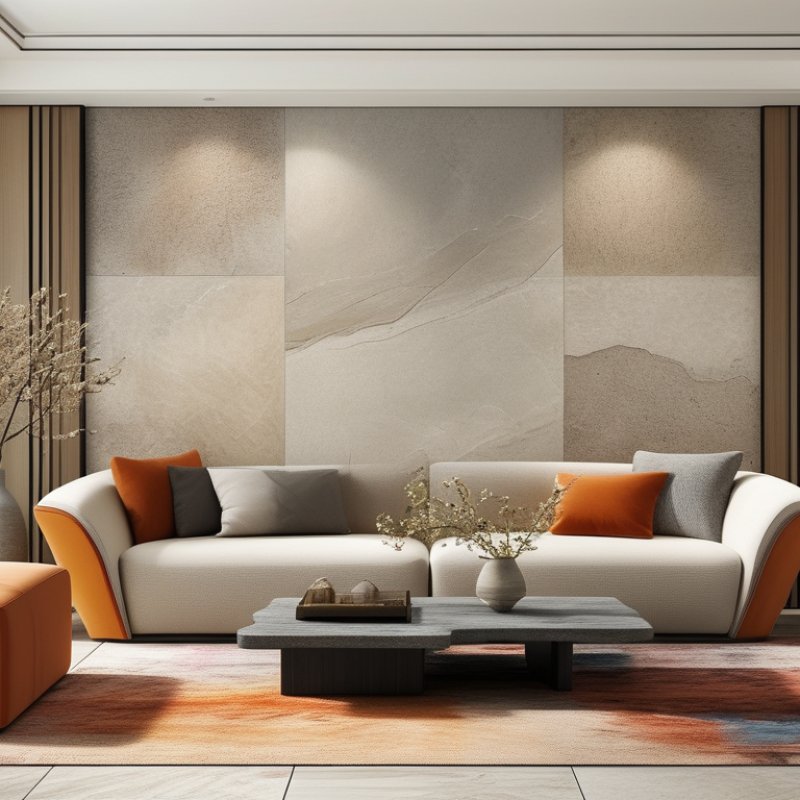
Tile textures play a vital role in interior design. They add depth and character to spaces. A study by the National Tile Contractors Association found that 76% of homeowners consider tile texture when renovating. Different textures can evoke distinct emotions and set the tone of a room. For example, matte tiles can provide a subtle elegance, while glossy finishes often reflect light, creating a vibrant atmosphere.
When combining textures, it’s essential to balance visual weight. A rough textured tile can be paired with a smooth one to create contrast. However, care must be taken to avoid overwhelming a space. Industry experts suggest that maintaining a cohesive color palette can help unify disparate textures. A recent report indicated that 62% of designers prioritize color harmony in their tile selections.
While mixing textures can be exciting, it can also be challenging. Too many competing patterns may lead to a chaotic look. Designers are urged to experiment, but also reflect on the impact their choices have on the overall design. Careful consideration of scale and placement can prevent design missteps. Balancing creativity with practicality is key to achieving a stunning tile arrangement.
This chart illustrates the top 10 ways to effectively combine different tile textures in design, showcasing their popularity percentages. These techniques highlight how diverse tile applications can enhance aesthetic appeal in various settings.
Combining textures in interior design is an essential principle that can elevate a space's aesthetic appeal. Studies indicate that textures can influence mood and perception. For instance, a survey by the American Society of Interior Designers reveals that 73% of designers believe that texture plays a vital role in user satisfaction.
When blending tile textures, consider the contrast between smooth and rough surfaces. A glossy tile paired with a matte finish can create intriguing dynamics. However, balance is key. Overly contrasting textures may distract rather than enhance the space. Visual weight should guide choices. For example, large, textured tiles can dominate a room, while smaller, subdued patterns add subtlety.
Moreover, the material’s color influences perception of texture. A soft hue may soften rough textures, creating a harmonious atmosphere. According to a report by the International Tile and Stone Association, 60% of successful designs utilize a well-thought-out color palette that complements various textures. Texture combination is an art and science. It requires experimentation and keen observation. Mistakes often occur when the interplay of different textures is not thoughtfully curated. Regular reflection on these aspects can lead to more balanced and inviting interiors.
Layering tile textures can significantly enhance the visual impact of any space. A recent industry report highlights that textured tiles can create depth and contrast, making a room feel more dynamic. For instance, using a matte finish alongside glossy tiles can bring a captivating interplay of light and shadow. This contrast draws the eye and can highlight specific areas or features in a design.
Furthermore, combining different sizes and shapes of tiles adds another layer of intrigue. For example, mixing large format tiles with smaller mosaic pieces can create a stunning focal point. The National Tile Contractors Association (NTCA) states that diverse textures stimulate visual interest, helping to elevate an ordinary design. However, careful planning is crucial; too many contrasting elements can overwhelm a space, creating chaos instead of harmony.
Textures don’t just affect aesthetics; they also influence the feel of a space. Textured surfaces can evoke sensations of warmth and comfort. Yet, designers often overlook the importance of tactile experience. A space that chooses comfort over visual diversity risks being less inviting. Balancing these aspects is essential for achieving a cohesive look that engages both the eyes and touch.
Color coordination is vital when combining different tile textures in design. Research shows that harmonious color schemes can significantly enhance the aesthetic appeal of a space. According to the National Kitchen and Bath Association, 60% of homeowners prioritize tile color matching in their renovation projects. Selecting complementary colors creates a unified look. This approach can elevate a simple design into a sophisticated one.
Textures also play a crucial role in the overall effect. Rough textures combined with smooth finishes can create a dynamic visual contrast. However, it is essential to be mindful of overloading a space with too many textures. Experts suggest using a maximum of three different textures for balance. For instance, pairing matte tiles with glossy accents can achieve depth without overwhelming the senses.
Color selection should also consider lighting conditions. Natural light can alter the appearance of tile colors significantly. A recent study published by the International Journal of Interior Design found that 70% of designers emphasize the importance of lighting in color perception. Trial and error can lead to surprising yet effective combinations. It’s essential to test tiles in various lighting before making a final choice. Finding the perfect mix of colors and textures requires patience and creativity.
| Combination | Main Texture | Complementary Texture | Color Palette | Recommended Use |
|---|---|---|---|---|
| Glossy & Matte | Glossy Tiles | Matte Tiles | White and Grey | Bathrooms and Kitchens |
| Textured Stone & Smooth | Textured Stone | Smooth Ceramic | Beige and Earth Tones | Living Rooms |
| Patterned & Solid | Patterned Tiles | Solid Color Tiles | Navy Blue and White | Feature Walls |
| Natural & Industrial | Natural Stone | Concrete Look Tiles | Gray and Green | Modern Spaces |
| Classic & Contemporary | Classic Terracotta | Contemporary Porcelain | Warm Reds and Cool Blues | Entryways |
| Vintage & Modern | Vintage Encaustic | Sleek Modern Tiles | Pastel Colors | Cafes or Restaurants |
| Geometric & Organic | Geometric Patterned | Organic Shapes | Duotone Schemes | Art Studios |
| Rustic & Urban | Rustic Wood Look | Sleek Urban Tiles | Warm Browns and Cool Grays | Lofts or Modern Homes |
| Minimalist & Bold | Minimalist White | Bold Accent Tiles | Black and White | Modern Bathrooms |
| Eclectic Mix | Various Textures | Contrasting Styles | Multicolor | Creative Spaces |
Mixing different tile textures can elevate a design, but balance is key. Research shows that textured tiles can add depth to a space. According to a 2022 report by the Tile Council of North America, over 65% of homeowners prefer textured finishes for their aesthetics. When combining textures, choose contrasting finishes. A matte tile can ground a glossy counterpart, avoiding overwhelming the senses.
Consider how colors and patterns interact. A busy tile can clash with a simpler one if not paired thoughtfully. In residential settings, using too many textures may make a space feel chaotic. The right balance will create visual harmony. Designers suggest using a predominant texture across a large area, with accents of smaller different textures. This method builds focus while allowing variance.
Textural transitions often require careful planning. Ensure a natural flow from one texture to another. An abrupt change can feel jarring. A well-known design practice recommends placing a transition tile, one that blends elements of both textures. It helps ease the eye and brings cohesion. This approach can solve potential issues of clashing elements for a seamless look.
: Tile textures add depth and character to spaces, influencing the overall mood.
Matte tiles provide subtle elegance. Glossy finishes reflect light, creating vibrancy.
Balance visual weight. Pair rough textures with smooth ones for contrast.
A cohesive color palette unifies textures, enhancing aesthetic appeal.
Overloading with textures can create a chaotic look.
Experts recommend using a maximum of three different textures.
Natural light can change the appearance of tile colors significantly.
Finding the right mix of colors and textures requires trial and error.
Yes, around 60% of homeowners focus on tile color harmony during renovations.
Designers need to reflect on their choices carefully to achieve stunning arrangements.
This article explores how to combine different tile textures in interior design, offering a comprehensive overview of various tile textures and their application. It begins by outlining the fundamental principles of texture combination, emphasizing the importance of layering textures for visual impact. Innovative ideas for mixing different tile textures not only enhance the aesthetic appeal but also create a unique atmosphere in any space.
Additionally, the article highlights the significance of color coordination to ensure harmony between different tiles, providing practical tips for achieving balance. By understanding the relationship between various textures and colors, designers can master the art of creating cohesive and inviting interiors. This guide serves as a valuable resource for anyone looking to elevate their design projects through the thoughtful combination of tile textures.

Rock Stone