China Top 10 High Gloss Tiles and How to Maintain Them?

Time:2026-09-28 Author:Isabella
0%

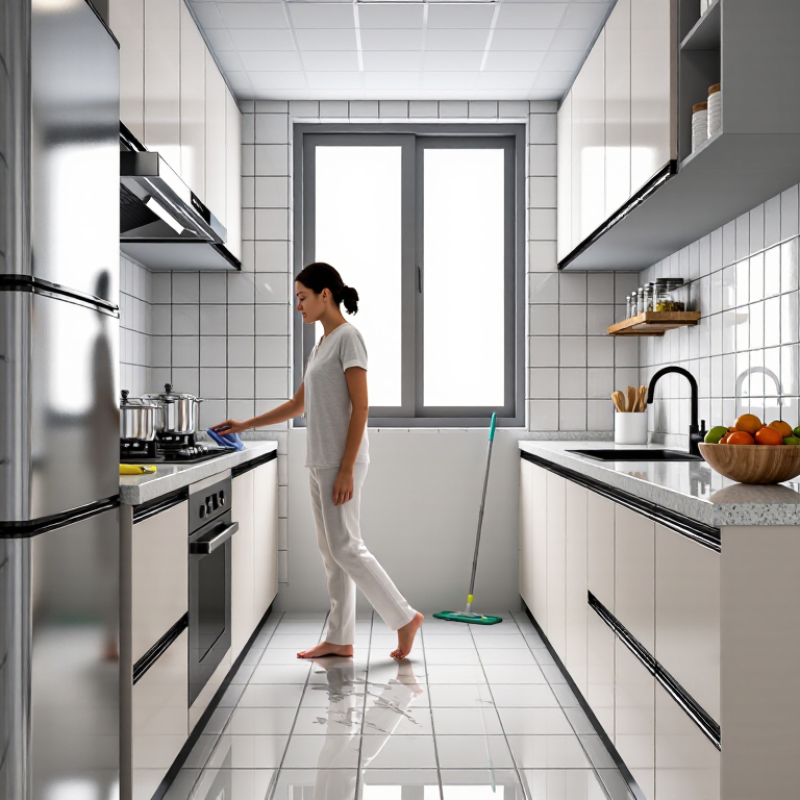
High-gloss tiles can make a small kitchen feel brighter, but every fingerprint and water mark seems to show. Choosing well means looking beyond the shine. This guide compares ten tile options by finish, material, practical use, and care needs—not appearance alone.

Grand View Research’s ceramic tile market report provides useful context on the scale and direction of the tile industry. For care guidance, the Tile Council of North America’s Handbook for Ceramic, Glass, and Stone Tile Installation is a more practical reference. It reinforces an important point: cleaning advice depends on the tile and its grout. A glossy glazed ceramic tile may tolerate a different routine than polished natural stone. Check the manufacturer’s instructions before using acidic cleaners, abrasive pads, or a new product. Small test spot first.

The central question is how to maintain high-gloss tiles without dulling their reflective surface. Tile consultant Donato Pompo is a recognized industry professional, but I can’t verify a verbatim statement from him on this specific topic; I won’t invent one. The guidance here instead focuses on evidence-based habits: sweep away grit, use a soft mop, and dry standing water before it leaves cloudy marks. A careful routine helps. Yet even careful cleaning cannot prevent every scratch, and some online care advice is too broad. That deserves a closer look.
China Top 10 High Gloss Tiles and How to Maintain Them?

What High-Gloss Tiles Are and How Their Surfaces Are Made

High-gloss tiles are ceramic or porcelain tiles with a smooth, reflective face. Their shine comes from the surface finish, not from a different tile shape. On glazed tiles, manufacturers apply a glass-forming coating before firing it in a kiln. The glaze melts into a hard, glossy layer. On polished porcelain, the fired tile is mechanically ground and polished to reveal a brighter surface. Some products receive an additional protective treatment, but finishes vary by manufacturer.

The process affects appearance and care. Glazed tiles can offer rich colors and patterns, while polished porcelain often shows the color and texture of the tile body. A glossy face reflects window light and can make a small room feel brighter. It also shows water spots, dust, and fingerprints more clearly. Gloss alone does not indicate durability or slip resistance; check product specifications, especially for wet floors. This distinction is easy to overlook.

Tips: Wipe spills with a soft cloth and pH-neutral cleaner. Avoid abrasive pads, which may dull some finishes. Test cleaners in an inconspicuous corner first. Use a dry towel after mopping to reduce streaks. Plain water helps, but it is not always enough for oily marks.

High-Gloss Tiles: Ceramic Body Classes and Water-Absorption Limits

High gloss describes a tile’s reflective surface, usually created with a glossy glaze, mechanical polishing, or both. The chart shows the maximum water absorption for four bounded ceramic-tile groups under ISO 13006 / EN 14411; it does not measure gloss.

Water absorption limits: BIa ≤ 0.5%; BIb ≤ 3%; BIIa ≤ 6%; BIIb ≤ 10%. A polished or glazed finish does not change the tile body’s absorption classification.

China’s Top 10 High-Gloss Tile Types and Their Main Features

Polished porcelain tiles are dense and reflect light sharply, making small rooms feel brighter. Glazed polished porcelain adds a glossy surface layer with many colors and patterns. Full-body polished porcelain carries similar color through its thickness, so small chips may show less contrast. Double-charge tiles use a decorative upper layer over a supporting body. Nano-treated polished tiles may resist some surface staining, though results depend on the actual finish.

Marble-look porcelain offers veining without natural stone’s varied absorption. Crystalline-glazed tiles have a glassy, sometimes textured surface and suit feature walls. High-gloss ceramic tiles are often lighter and more affordable, but may be less suitable for heavy floor traffic. Vitrified glossy tiles are fired to low porosity and work well in many indoor areas. Glass mosaic tiles create vivid reflections, especially in kitchens and bathrooms. Metallic-look glossy tiles add a reflective accent. Very bright. These labels can overlap; a tile may be both vitrified and marble-look.

Gloss shows dust, water spots, and scratches easily. Sweep with a soft broom, then use warm water and a neutral cleaner. Dry the surface to reduce streaks. Avoid abrasive pads, which can dull the finish. Check the tile’s technical sheet before choosing cleaners or using it in wet areas; glossy appearance alone does not confirm slip resistance. I would not assume every polished tile behaves alike.

China’s Top 10 High-Gloss Tile Types and Their Main Features

No. Tile Type Typical Material and Finish Main Features Recommended Use Care and Maintenance
1 Polished Porcelain Tile Porcelain body mechanically ground and polished to a glossy surface Dense, hard-wearing, and available in many colors and patterns. Polishing can leave tiny surface pores, so stain resistance depends on the product and any applied treatment. Living areas, hallways, and other interior floors Use a pH-neutral cleaner and a soft mop. Wipe spills promptly; check the product instructions to see whether sealing is recommended.
2 Glazed Polished Porcelain Tile Porcelain body with a decorative glaze that is polished for a glossy finish Offers detailed printed designs and a smooth, reflective surface. The visible pattern is in the glaze, so deep chips may reveal the body underneath. Interior floors and walls in living spaces, kitchens, and bathrooms Clean with a non-abrasive, pH-neutral product. Avoid scouring pads and harsh chemicals that may dull or damage the glaze.
3 Full-Body (Through-Body) Polished Porcelain Porcelain with color and visual character extending through much of the tile body; polished face Small chips may be less visually obvious than on a surface-only design. The polished face can still scratch or lose its shine under abrasive wear. Interior floors and areas where a consistent appearance is desired Remove grit regularly with a soft broom or vacuum. Use protective pads under furniture and clean with a pH-neutral cleaner.
4 Double-Loaded Porcelain Tile Porcelain made with a thicker decorative layer of colored powders beneath the surface, then polished Provides a more substantial decorative layer than a thin surface print and is generally dense. The exact pattern depth and wear performance vary by product. Residential and commercial interior floors, subject to the tile’s rating Use routine dry cleaning to remove abrasive dirt, followed by damp mopping with a suitable neutral cleaner. Follow the manufacturer’s care guidance.
5 Soluble-Salt Polished Porcelain Porcelain decorated with soluble mineral salts and polished after firing A traditional decorative method that can create simple stone-like patterns. It generally offers less pattern depth than modern full-body or high-definition printed designs. Interior walls and light-to-moderate-traffic floors when the product is rated for that use Clean with a soft mop and pH-neutral cleaner. Avoid abrasive powders and verify the tile’s stain-resistance and intended-use specifications.
6 Lappato (Semi-Polished) Porcelain Porcelain surface partially polished to create a mixed glossy and matte appearance Reflects light less uniformly than a fully polished tile and can offer a more varied surface texture. Slip resistance depends on the specific product and testing method. Interior floors and walls where a softer reflective look is wanted Use a soft brush or mop to clean textured areas. Confirm the product’s slip-resistance rating before using it in wet areas.
7 Polished Ceramic Tile Glazed ceramic tile with a polished or high-gloss surface Often lighter and easier to cut than porcelain, with a wide range of colors and designs. Ceramic bodies are generally more porous than porcelain bodies, so floor suitability varies. Walls and residential floors specifically rated for floor use Clean with a non-abrasive cloth and mild cleaner. Avoid using wall-rated ceramic tiles on floors or in locations that require higher durability.
8 Marble-Look Polished Porcelain Polished porcelain with a printed or otherwise applied marble-inspired design Reproduces the look of veining without being natural marble. It does not require the same stone-specific sealing routine, though care depends on its finish and product specifications. Interior floors, feature walls, bathrooms, and kitchens Use a pH-neutral tile cleaner. Avoid acidic cleaners and abrasive tools; check grout-care requirements separately.
9 Terrazzo-Look Polished Porcelain Polished porcelain with a terrazzo-inspired chip pattern Creates a composite-stone appearance with a consistent factory-made surface. Unlike poured terrazzo, it is a fired tile product and does not need terrazzo-specific refinishing. Interior floors, entry areas, and feature walls, depending on the wear rating Remove sand and grit frequently, then damp mop with a neutral cleaner. Use entrance mats in busy areas to reduce surface abrasion.
10 Onyx-Look Polished Porcelain Glossy porcelain designed to resemble the translucent veining and color of onyx Provides a luminous, stone-inspired appearance with a consistent ceramic surface. It is a visual imitation and does not have the same material properties as natural onyx. Feature walls, bathroom walls, and interior floors when rated for floor use Clean with a soft cloth or mop and a pH-neutral cleaner. Avoid abrasive products and confirm that the selected finish is suitable for wet or underfoot use.

Selection note: “High gloss” describes appearance, not a guarantee of slip resistance or suitability for every location. Check the product’s technical data, intended-use rating, and applicable slip-resistance test results before installation. Keep the surface free of dust and grit, which can cause scratches, and avoid wax or abrasive cleaners unless the manufacturer specifically recommends them.

How to Choose High-Gloss Tiles for Different Rooms

High-gloss tiles can make a dim living room feel brighter by reflecting window light. For floors, check the surface rating and expected foot traffic, not just the shine. A pale, large-format tile can create a calm look, though dust and footprints may show more clearly.

In kitchens, glossy wall tiles work well behind counters because splashes are easier to wipe away. On the floor, choose a finish with suitable slip resistance. Shine alone is not a safety feature.

Bathrooms need extra care. Water, soap, and bare feet can make some polished surfaces slippery, so compare slip-resistance information and consider textured tiles for shower floors. In small bathrooms, light-colored gloss on walls can help the space feel open. Still, reflections may feel harsh under bright ceiling lights.

For entryways, think about grit and wet shoes; frequent cleaning may be needed. Bedrooms usually have lower moisture and traffic, so appearance can guide the choice more freely.

Before buying, view a sample in the actual room at different times of day. Samples can be misleading. For routine care, use a soft mop and a cleaner suited to the tile, and avoid abrasive pads that may dull the finish.

How to Clean High-Gloss Tiles Without Scratches or Streaks

High-gloss tiles show dust, footprints, and dried droplets quickly. Start by removing loose grit with a soft microfiber dust mop; grit trapped under a wet cloth can leave fine scratches. For routine cleaning, use warm water and a small amount of pH-neutral cleaner. More soap is not better. I still find it easy to use too much, and the residue can dry into a dull film.

Wring the mop well and clean a small area at a time. Rinse the cloth often, especially near doorways or cooking areas where grit and grease collect. Avoid scouring pads, powdered cleansers, and stiff brushes. They may dull the reflective surface. For stubborn marks, let a damp cloth sit on the spot briefly, then wipe gently; do not scrape with metal tools. Check any unfamiliar cleaner on a hidden tile first.

To prevent streaks, finish by wiping with clean water if the floor feels soapy, then dry it with a fresh, lint-free cloth. Hard water can leave pale spots, so dry splashes around sinks and entryways promptly. If a haze remains, use less cleaner next time and change the rinse water sooner. Some streaks may come from the cloth itself, not the tile. A quick re-clean usually helps, but not every mark disappears on the first pass.

How to Protect and Maintain High-Gloss Tile Surfaces

High-gloss tiles reflect light beautifully, but they also reveal dust, water spots, and fine scratches. Protect the finish with a soft microfiber mop and a pH-neutral cleaner diluted according to its label. Wring the mop well; standing water can leave cloudy marks, especially near grout lines. For everyday dust, dry wiping is often enough. Less is safer. Avoid abrasive pads, scouring powders, and harsh acidic cleaners, which may dull the surface or damage grout. Rinse away cleaner residue, then dry the tiles with a clean cloth to reduce streaking.

Tile type matters. ANSI A137.1 classifies porcelain tile by water absorption, with porcelain defined at 0.5% or less. That figure describes the tile body, not its resistance to scratches or chemical damage, so do not assume every glossy tile needs identical care. Check the product care instructions and test any new cleaner in a small, hidden area. I admit this test is easy to skip when a floor looks dirty; it is also the step that can prevent a costly mistake. Place felt pads under chair legs, lift furniture instead of dragging it, and use a mat at busy entrances to catch grit. Fine sand acts like sandpaper under shoes. For stubborn marks, identify the stain before choosing a treatment, and avoid mixing cleaning products.

FAQS

What makes high-gloss porcelain tiles look bright?

Their dense, polished surfaces reflect light sharply. Pale tiles can make a dim room feel more open. But dust may show.

How do glazed and full-body polished porcelain tiles differ?

Glazed tiles have a glossy surface layer with varied colors and patterns. Full-body tiles carry similar color through their thickness. Chips may look less noticeable, though not invisible. That matters.

Which high-gloss tiles suit kitchen walls?

Glossy wall tiles are easy to wipe behind counters. Glass mosaics can add vivid reflections. For floors, check slip-resistance information instead of relying on shine.

Are polished tiles suitable for bathroom floors?

Some may become slippery with water or soap. Compare slip-resistance details, and consider textured tiles for shower floors. Shine does not prove grip.

What should I check before choosing tiles for a living room?

Consider foot traffic, surface ratings, and daylight. Large pale tiles can brighten the room, but footprints and dust may stand out. View a sample at different times of day.

How should I clean glossy tile surfaces?

Sweep with a soft broom, then mop with warm water and a suitable neutral cleaner. Dry the surface to reduce streaks. Skip abrasive pads.

Are all high-gloss tile types the same?

No. Polished, vitrified, marble-look, and metallic-look describe different traits, and labels can overlap. I may be simplifying this; check the tile’s technical sheet.

Where can high-gloss tiles be less practical?

Entryways collect grit and wet-shoe marks, so they may need frequent cleaning. Glossy floors can also reveal scratches and water spots. Not ideal everywhere.

Conclusion

High-gloss tiles get their reflective finish through carefully prepared surfaces and polishing or glazing processes. China offers a wide range of high-gloss tile types, each with different appearances, durability, and practical features. Comparing these options can help you choose tiles that suit a room’s style and needs. For example, consider how much foot traffic, moisture, and everyday use the surface will face before selecting tiles for a kitchen, bathroom, living area, or other space.

Knowing how to maintain high-gloss tiles helps preserve their shine and reduce visible marks. Clean them with a soft mop or cloth and a suitable mild cleaner, avoiding abrasive tools that may scratch the surface. To prevent streaks, use clean water, remove excess moisture, and dry the tiles when needed. Regular sweeping, prompt cleanup of spills, and protective pads beneath furniture can also help keep the finish bright and attractive over time.

Isabella

Isabella

Isabella is a dedicated marketing professional with a sharp focus on driving brand growth and engagement through strategic content creation. With an extensive background in digital marketing, she combines her passion for storytelling with her keen understanding of industry trends to deliver......