Designing an outdoor patio with tiles can be a rewarding project. This space transforms your backyard into a relaxation area. The right tiles not only enhance the aesthetic. They also ensure durability and functionality.
How to design an outdoor patio with tiles? It requires planning and creativity. Consider the climate and the surrounding environment. Choice of tile materials matters greatly. For instance, natural stone offers a rustic charm. Meanwhile, porcelain tiles provide a sleek modern look.
Digging deeper into design elements helps. Think about patterns and colors that fit your style. Mix textures to create visual interest. Lighting options can bring ambiance, especially for evening gatherings. However, remember that mistakes can happen. Choosing the wrong tile or color may alter your vision. Reflect on your decisions to improve the outcome. The goal is to create a patio that invites joy and comfort.
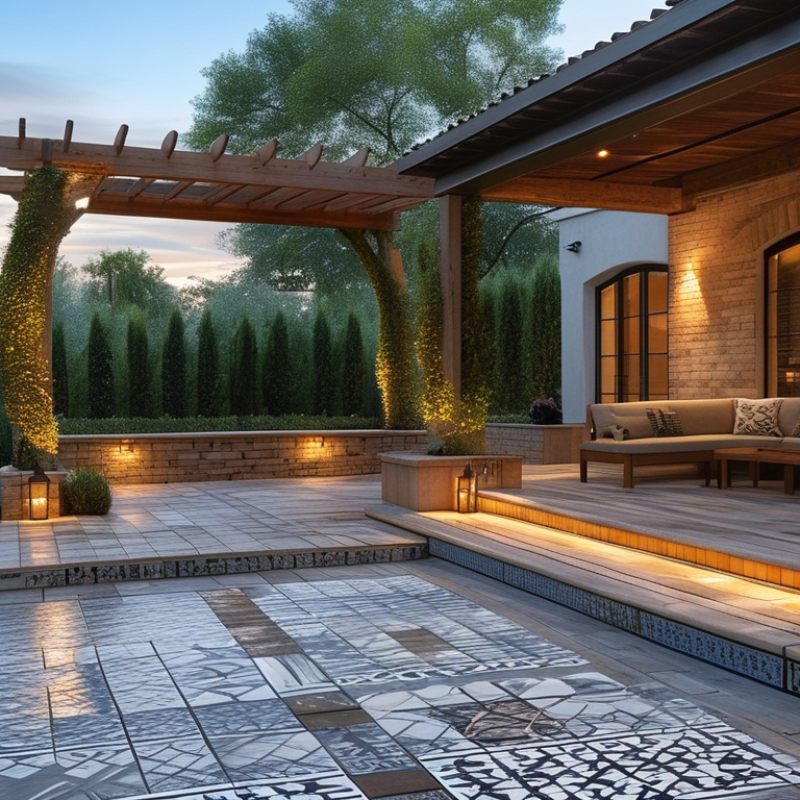
When designing an outdoor patio, selecting the right tiles is crucial for both aesthetics and function. Begin by considering the material. Porcelain and natural stone are popular choices. They offer durability against various weather conditions. Reflect on the texture as well; a textured surface can provide safety by preventing slips.
Color is essential too. Lighter tones can amplify sunlight, making smaller spaces feel airy. Darker tiles can add a sense of coziness. However, darker colors might retain heat, making them uncomfortable on hot days. Consider a balance that works for your climate. Always visualize the overall design to ensure harmony with your existing space.
For added character, explore unique patterns. Mosaic tiles can create vibrant focal points. Yet, intricate designs may require more maintenance. Think about your effort in cleaning and upkeep. Also, consult professionals if unsure about installation or design choices. They can offer insights that enhance your patio’s appeal.
When designing an outdoor patio with tiles, durability is paramount. Tiles must withstand various weather conditions. Rain, snow, and intense sunlight can wear down inferior materials. Choosing the right tile ensures longevity and beauty.
Consider materials that are resistant to moisture. Porcelain and ceramic are excellent choices. They resist water absorption, which prevents cracking and fading. Additionally, look for tiles with a PEI rating of 4 or 5. These ratings indicate high resistance to abrasion and wear.
Weather can also impact color retention. Lighter colors may fade faster under harsh sunlight. Darker shades tend to hold their appearance longer. However, they can absorb more heat. Reflect on your local climate conditions before making a final choice. Each decision impacts the patio's look and durability, so weigh options carefully.
Designing an outdoor patio with tiles requires careful consideration of layout and functionality. Focus on creating zones within the space. This could involve distinct areas for dining, lounging, or even cooking. According to the 2022 Outdoor Living Trends Report, 72% of homeowners prefer multifunctional outdoor spaces. This trend highlights the importance of a well-thought-out layout.
Choosing the right tile is crucial. Materials that can withstand weather changes and provide a slip-resistant surface are essential. Studies show that textured tiles can reduce slip incidents by 60% in wet conditions. Evaluate the dimensions of your patio. A 200-square-foot area can comfortably accommodate a dining table for eight. On the other hand, an overly crowded layout can feel chaotic. Many homeowners underestimate the need for airflow and space between furniture.
Additionally, lighting can elevate the patio experience. Incorporate ambient lighting for evenings spent outside. The American Society of Landscape Architects reports that well-lit patios enhance usability by up to 50%. Reflect on the flow of movement between areas. Overly complicated layouts without clear pathways can frustrate guests and diminish the enjoyment of the space. Aim for an inviting atmosphere that encourages relaxation and interaction.
| Tip Number | Tip Description | Benefits | Materials Recommended |
|---|---|---|---|
| 1 | Choose slip-resistant tiles. | Prevents accidents during wet weather. | Porcelain, Quarry Tiles |
| 2 | Plan for drainage. | Avoids water pooling on tiles. | Sloped Tiles |
| 3 | Select durable materials. | Ensures longevity against weather elements. | Natural Stone, Porcelain |
| 4 | Incorporate color and patterns. | Enhances aesthetic appeal. | Colored Glazed Tiles |
| 5 | Create zones for different activities. | Optimizes space usage. | Varied Tile Size |
| 6 | Consider maintenance needs. | Minimizes long-term upkeep. | Low-Maintenance Tiles |
| 7 | Incorporate plants and greenery. | Adds natural beauty. | Planters with Drainage |
| 8 | Use grout to enhance design. | Creates visual contrast. | Colored Grout |
| 9 | Include sufficient lighting. | Enhances usability at night. | Solar Lights, LED Strips |
| 10 | Personalize with decor. | Reflects individual style. | Outdoor Rugs, Cushions |
Incorporating color and texture into tile design for your outdoor patio can transform the space. Choosing the right palette is crucial. Bold hues like terracotta or ocean blue bring energy. Softer shades, such as pale gray or soft beige, create a serene environment. Mixing these tones can also foster a playful contrast.
Texture is equally important in tile design. Consider using tiles with a matte finish for a rustic feel. Glossy tiles reflect light, adding brightness. Textured surfaces enhance grip, making your patio safer. Think about layering different tiles. A combination of smooth and rough elements can provide visual interest.
However, balance is key. Too many colors or patterns can overwhelm. It's essential to reflect on how each piece works together. Experimentation is part of the design process. Don't be afraid to reassess your choices. Your patio should feel inviting and cohesive.
Caring for your outdoor tile patio is essential for its longevity and aesthetics. Regular maintenance can greatly reduce wear and tear. According to a report from the Tile Council of North America, proper upkeep can extend the life of tile by as much as 50%. This means investing time now can save money in the long run.
Start with simple cleaning routines. Use a broom to remove debris. For deep cleaning, a mixture of warm water and mild soap works well. Avoid harsh chemicals as they can damage the tile surface. Tile surfaces can become slippery when wet. Use slip-resistant tiles, or apply a non-slip sealant to enhance safety. Remember, sealing the grout every couple of years helps prevent moisture and dirt from seeping in.
Inspecting the patio regularly is key. Look for cracked tiles or damaged grout. Repairs should not be postponed, as small issues can escalate. A study highlighted that 30% of patio damage results from neglect. Being proactive reduces costs and preservation efforts. Creating a beautiful outdoor space is rewarding but requires diligence. Your patio should reflect careful attention to detail and a commitment to quality.
: Designate spaces for dining, lounging, and cooking. This helps organize the area better.
Choose weather-resistant tiles with slip-resistant surfaces. Textured tiles reduce slips in wet conditions.
A 200-square-foot patio can fit a table for eight comfortably. Avoid overcrowding for better airflow.
Good lighting enhances usability and creates a pleasant atmosphere. It makes the space more inviting at night.
Ensure clear pathways between zones. Complicated layouts can frustrate guests and hinder enjoyment.
Bold colors energize the space, while soft tones create calm. Mixing tones can add playful contrast.
Yes, combining smooth and rough textures adds visual interest. Balance is crucial to avoid overwhelming the design.
Yes, reassessing your design is okay. Experiment to find what feels cohesive and inviting for your patio.
Designing an outdoor patio with tiles involves several key considerations to create a beautiful and functional space. First, choosing the right tiles is crucial; they should complement your overall design aesthetic while being suitable for outdoor use. Durability and weather resistance are also vital factors, as outdoor tiles must withstand various environmental conditions. When learning how to design an outdoor patio with tiles, it's essential to create a functional layout that enhances the flow and usability of the space.
Incorporating color and texture can add visual interest and enhance the overall ambiance of your patio. Finally, maintaining and caring for your outdoor tile patio will ensure its longevity and keep it looking pristine. By following these tips, you can successfully transform your outdoor area into a stylish and practical retreat that highlights the beauty of tile design.

Rock Stone