Choosing tiles for high-traffic areas can be a daunting task. According to flooring expert Sarah Mitchell, “The right tile can transform a space, making it functional and beautiful.” When considering how to choose tiles for high-traffic areas, durability becomes a primary concern. Areas like entryways and kitchens endure constant foot traffic and require resilient materials that resist wear and tear.
Additionally, slip resistance is crucial. High-traffic zones can become slippery, especially in wet conditions. Opting for tiles with textured surfaces can enhance safety without sacrificing style. It’s also important to think about maintenance. Some materials demand more upkeep than others, which can be a factor in your long-term satisfaction.
Color and design also play significant roles. Darker shades may hide dirt better, but they can also make spaces appear smaller. Lighter tiles can create an airy feel but might show stains more readily. So, even with the best tips, the ideal choice often requires thoughtful consideration and balance among various factors.
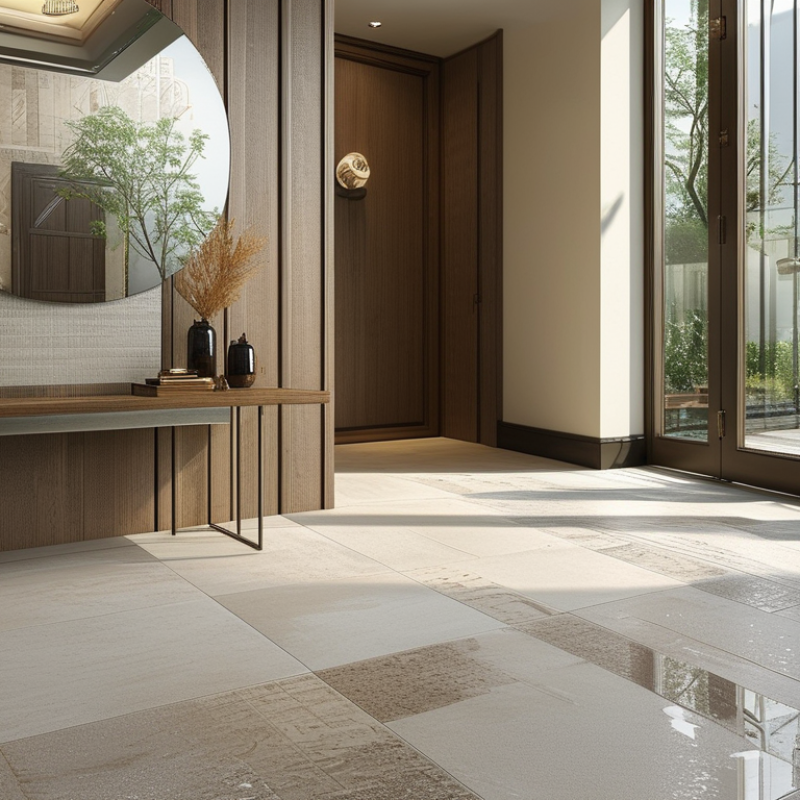
High traffic areas present unique challenges when it comes to tile selection. These spaces often experience constant foot traffic, which can lead to wear and tear on flooring materials. According to the National Tile Contractors Association, over 60% of tile failures occur in areas of high foot traffic due to improper material choice or lack of proper installation.
Durability is crucial in high traffic areas. Tiles should be chosen based on their PEI rating, with a minimum rating of 4 recommended for commercial environments. This indicates a tile's ability to withstand abrasives and heavy use. The surface texture also plays a role; slip resistance is vital for safety. A textured surface can help prevent slips, especially in areas exposed to water, such as entryways and restrooms.
Aesthetics can often clash with functionality. While a beautiful tile is appealing, it must also be resilient. Finding the right balance is not always easy. It's common to see tiles that look great but wear down quickly. Investing in high-quality materials may seem pricey initially, but the long-term benefits often outweigh the costs.
When selecting tiles for high traffic areas, durability is a key factor. Different materials offer varying levels of strength and wear resistance. For instance, porcelain tiles are known for their toughness. According to the Tile Council of North America, porcelain ranks high on the PEI (Porcelain Enamel Institute) rating. A Class 5 rating indicates tile can withstand heavy foot traffic without significant wear.
Natural stone tiles, like granite and slate, also provide durability but may require more maintenance. A report by the National Association of Home Builders highlights that while stone is resilient, it can be susceptible to scratching and staining. This could lead to costly repairs. On the other hand, ceramic tiles are versatile and affordable. They are available in numerous colors and patterns but may not hold up as well under intense use.
Consider the surface finish when choosing tiles as well. Glossy tiles, while visually appealing, can become slippery in wet conditions. Textured surfaces may help improve traction but could accumulate dirt more easily. Proper grout selection also affects longevity. High-quality, stain-resistant grout will prolong the life of your tiles and reduce the frequency of replacements. Ultimately, balancing aesthetics with functionality is crucial for high traffic areas, ensuring that your selection meets both visual and practical needs.
When selecting tiles for high traffic areas, slip resistance is crucial. Busy environments, like commercial spaces, see foot traffic constantly. This can lead to slips and falls if not properly considered. Slip resistance ratings, often indicated on a scale, help assess the tile's safety under various conditions. Look for tiles with a higher slip rating, especially in areas prone to moisture.
It's also important to consider the texture of the tile surface. Textured tiles can offer better grip but may be harder to clean. Smooth tiles are easier to maintain, yet they pose a higher risk of slipping. Finding a balance between safety and aesthetics can be challenging. Evaluate the environment where the tiles will be installed. For instance, kitchens and entrances need different slip resistance features compared to indoor hallways.
Inquire about testing methods for slip resistance ratings. Understanding the criteria used can reveal how reliable these ratings are. It's essential to choose tiles that not only look appealing but also provide safety. Remember, a beautiful tile should not compromise the well-being of those who walk on it. Reflecting on these factors ensures a safer, more practical choice in tile selection.
When selecting tiles for high traffic areas, maintenance is a crucial factor. Regular upkeep can significantly extend the lifespan of your flooring. Studies show that properly maintained tiles can last over 20 years in busy environments. For instance, matte finishes hide scratches better and require less frequent polishing, making them ideal for such spaces.
Cleaning is another critical consideration. High-traffic tiles should be easy to wipe down. Using a pH-neutral cleaner is essential to avoid long-term damage. Industry data indicates that neglecting proper cleaning procedures can reduce tile lifespan by up to 40%. Sealing grout lines is often overlooked. This simple step can prevent staining and make future cleaning easier, which is vital for maintaining aesthetics.
Despite its benefits, tile maintenance is not without its challenges. Many users find it hard to establish consistent cleaning routines. Busy schedules often lead to neglect. Over time, dirt accumulates, leading to a dull appearance. This common oversight can escalate maintenance costs. Recognizing these issues is the first step in ensuring your high-traffic tiles remain both attractive and durable.
Choosing tiles for high traffic areas requires careful consideration of cost and quality. Investing in quality tiles might seem expensive upfront. However, the long-term benefits often outweigh the initial costs. High-quality tiles usually endure heavy foot traffic better. They resist scratches and stains, which saves on maintenance and replacement costs.
A cost-benefit analysis shows that investing in durable materials leads to better returns. For instance, ceramic or porcelain tiles last longer than cheaper alternatives. They can enhance property value and appeal. A space with worn-out tiles may deter potential buyers. In contrast, resilient flooring creates a positive impression.
While it’s tempting to opt for budget-friendly options, reflect on the long-term costs. Cheaper tiles may need replacement sooner. This not only incurs additional costs but also involves disruption. Consider how often the area needs cleaning. Quality tiles often require less frequent maintenance. High-quality materials can pay off over time, both financially and aesthetically.
This bar chart visualizes the importance level of various factors when choosing tiles for high traffic areas. Durability ranks the highest, indicating its critical role in ensuring longevity and cost-effectiveness over time.
: Slip resistance prevents slips and falls in high foot traffic environments. It ensures safety for everyone.
Slip resistance ratings indicate tile safety on a scale. Higher ratings mean better grip, especially in wet conditions.
Textured tiles offer better grip but may be harder to clean. Smooth tiles are easy to maintain but risk more slips.
Regular upkeep can extend tile life. Properly maintained tiles can last over 20 years in busy areas.
Use a pH-neutral cleaner to avoid damage. Regular cleaning prevents dirt buildup and maintains appearance.
Sealing grout lines is often neglected. This can prevent staining and ease future cleaning efforts.
Quality tiles endure heavy traffic, resist scratches, and save on maintenance costs. They often enhance property value.
Cheaper tiles may need replacement sooner, incurring higher long-term costs and disruptions in busy environments.
Time constraints can lead to neglect. Accumulated dirt makes tiles look dull and can increase maintenance costs.
Evaluate the specific environment. Areas like kitchens need different slip resistance features compared to indoor hallways.
When considering how to choose tiles for high-traffic areas, it is essential to understand the unique characteristics and challenges posed by these environments. High-traffic areas require tiles that are not only durable but also exhibit slip resistance to ensure safety. A thorough comparison of various tile materials can help in selecting options that withstand wear and tear while providing a safe walking surface.
Additionally, maintenance considerations play a crucial role in the longevity of tiles in such settings, so it’s important to evaluate the long-term care required for each type. Lastly, conducting a cost-benefit analysis can reveal the return on investment when opting for quality tiles, ultimately guiding homeowners and businesses in making informed decisions for high-traffic flooring solutions.

Rock Stone