2026 Best Decorative Tiles Lifespan What to Expect?

Time:2026-06-27 Author:Madeline
0%

When considering decorative tiles for your home, one key question arises: what is the lifespan of decorative tiles? According to industry expert Sarah Thompson, "The longevity of decorative tiles largely depends on the material and installation quality." This insight speaks volumes about the importance of making informed choices.

Understanding the lifespan of these tiles involves more than just choosing a pretty design. Factors such as foot traffic, maintenance, and environmental conditions play a significant role in their durability. For instance, ceramic tiles typically last 10 to 20 years, while porcelain may endure for up to 50 years with proper care.

Moreover, the installation process can greatly influence longevity. Poorly laid tiles may crack or chip, leading to costly repairs. Reflecting on these points encourages homeowners to prioritize quality over aesthetics alone. While decorative tiles can elevate your space, knowing what is the lifespan of decorative tiles helps you invest wisely for the future.
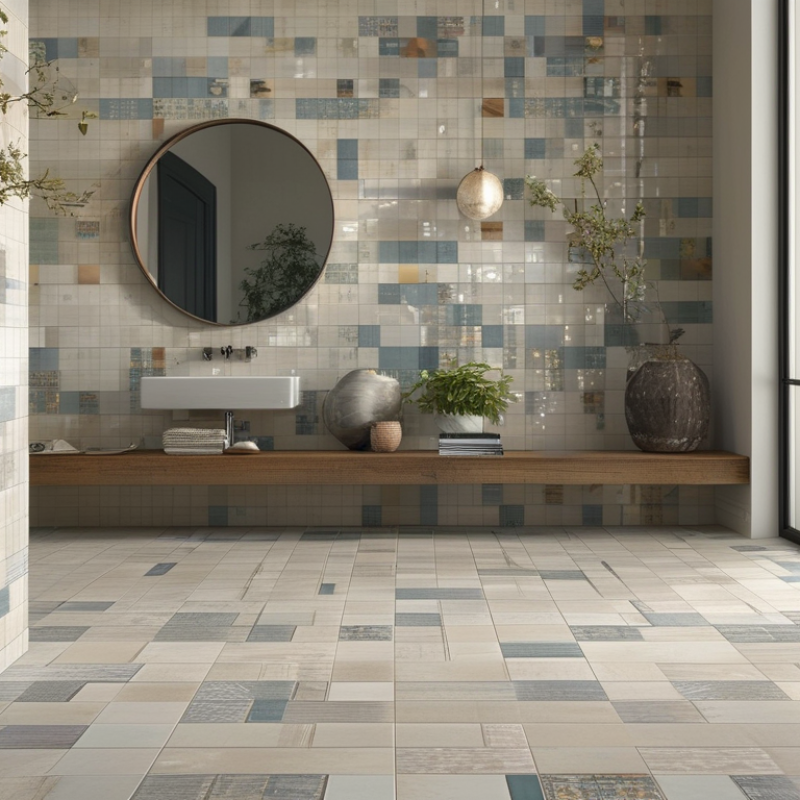
2026 Best Decorative Tiles Lifespan What to Expect?

Understanding Decorative Tiles: Types and Materials

Decorative tiles come in various types and materials, each impacting their lifespan and performance. Ceramic tiles are popular because of their durability. They can last between 50 to 100 years when properly maintained. Natural stone tiles, like granite and marble, are sturdy but require more upkeep. They have a lifespan of 30 to 75 years, depending on their care.

Different materials affect aesthetics and functionality. Porcelain tiles are highly resistant to stains and scratches, making them ideal for high-traffic areas. In contrast, glass tiles offer a modern look but can be prone to chipping. Understanding these properties helps consumers choose suitable tiles for specific settings. A report from the Tile Council of North America states that choosing quality materials can lead to better long-term satisfaction.

Tip: When selecting decorative tiles, consider your lifestyle and usage. If you have children or pets, focus on more durable options like porcelain or ceramic. These choices will save you money in the long run and reduce the need for frequent replacements.

Reflecting on maintenance is essential. Regular cleaning and sealing can significantly extend the lifespan of your tiles. Be aware that neglecting this maintenance can lead to costly repairs or replacements sooner than expected.

Factors Affecting the Lifespan of Decorative Tiles

The lifespan of decorative tiles can vary significantly based on various factors. According to a study by the Tile Council of North America, the average lifespan of high-quality ceramic tiles ranges from 50 to 100 years when installed correctly. However, several variables can reduce this longevity.

Installation technique is crucial. Poorly set tiles may crack or loosen over time. The substrate quality also plays a role. If the base is not stable, tiles can deteriorate faster. Environmental factors like humidity and temperature fluctuations can affect durability too. Research indicates that tiles in high-moisture areas, like bathrooms, may experience wear more rapidly.

Moreover, tile maintenance is often overlooked. Regular cleaning and timely repairs can extend the life of decorative tiles. The lack of proper care can lead to surface damage. Some homeowners might not realize that neglecting minor issues can lead to larger problems later. Understanding these factors helps homeowners make informed decisions about protective measures and expected tile performance.

Average Lifespan of Popular Decorative Tile Options

When choosing decorative tiles, understanding their lifespan is crucial. Different materials offer varying durability and aesthetics. Ceramic tiles, for instance, typically last 10 to 20 years. They are resistant to moisture and easy to maintain. However, they can chip if heavy objects fall on them. This detail is vital when considering high-traffic areas.


Porcelain tiles are a step up in durability. They can last more than 20 years if properly installed. Their dense surface makes them resistant to stains and scratches. Still, installation mistakes can lead to cracks. Natural stone tiles, like granite or marble, offer elegance and strength. They may last a lifetime with proper care, but they require regular sealing. Skipping this step can lead to damage.


When exploring options, consider your lifestyle. If you have pets or children, high-durability tiles are necessary. However, the initial cost may be higher. Weigh the pros and cons carefully to find the right balance. Understanding these factors will guide your decision-making. It’s essential to assess not just aesthetics but practicality, too.

Maintenance Tips for Extending Tile Lifespan

Decorative tiles can bring life to any space, but maintaining their beauty is essential for longevity. Regular cleaning is the first step to ensure tiles remain vibrant. Use a gentle cleaner and soft cloth to avoid scratching. Deep cleaning every few months will help remove grime that builds up over time.

Tip: Always avoid abrasive materials. They can damage the tile's surface. Instead, choose non-acidic cleaners specifically made for tiles. This choice can prevent dullness and extend the tile's lifespan.

Humidity and moisture can lead to mold growth, especially in bathrooms and kitchens. Ensure these areas are well-ventilated. Using exhaust fans can help reduce humidity. Check for leaks frequently, as any water intrusion can weaken the tile adhesive.

Tip: Sealant application is crucial. Depending on the tile type, resealing may be needed every few years. A well-maintained sealant prevents stains and prolongs the tile's life, making upkeep easier. Reflecting on these practices will encourage a longer-lasting decorative tile experience.

Signs That Indicate When to Replace Decorative Tiles

Decorative tiles can enhance any space, but understanding when to replace them is crucial. Signs of deterioration can vary widely. Cracks or chips are common indicators that tiles need replacing. These damages can compromise aesthetics and safety. According to industry reports, around 15% of consumers report noticeable wear within five years. Observing your tiles regularly can help identify issues early.

Discoloration is another significant sign. Tiles exposed to moisture may fade or stain over time. Researchers highlight that tiles may lose their original hue due to prolonged exposure to sunlight and water. If you notice persistent stains, it may be time for an upgrade. Moreover, the grout surrounding tiles can degrade, leading to mold and mildew.

Finally, if you find that your tiles are no longer matching your design vision, consider replacing them. A shift in style can lead to discontent with existing tiles. In some cases, people report that outdated tiles can decrease property value. Keeping an eye on these signs ensures your space remains inviting and up-to-date. Ignoring deterioration may lead to more significant issues down the line.

FAQS

: What are the main types of decorative tiles?

: The main types include ceramic, porcelain, natural stone, and glass tiles. Each type comes with unique characteristics.

How long can ceramic tiles last?

Ceramic tiles can last between 50 to 100 years if maintained properly. Their durability makes them a popular choice.

What should I consider if I have pets or children?

For households with pets or children, durable options like porcelain or ceramic tiles are recommended. They withstand heavy use better.

What do I need to know about maintaining natural stone tiles?

Natural stone tiles require regular sealing to prevent damage. Skipping maintenance can lead to costly repairs later on.

How can I tell if my tiles need replacing?

Signs that tiles need replacing include visible cracks, discoloration, and degrading grout. Regular checks can prevent larger issues.

Why is aesthetic consideration important when choosing tiles?

Tile aesthetics can impact your home's appeal. Outdated or mismatched tiles may decrease property value over time.

Is there a common issue with porcelain tiles?

Yes, installation mistakes can cause cracks. Proper installation is crucial to ensure their performance and longevity.

How does moisture affect decorative tiles?

Exposure to moisture can lead to discoloration and fading. Regular cleaning can help mitigate these effects on tile appearance.

Conclusion

The article "2026 Best Decorative Tiles Lifespan What to Expect?" provides a comprehensive overview of decorative tiles, including various types and materials available in the market. It delves into critical factors that influence what is the lifespan of decorative tiles, such as usage, installation quality, and environmental conditions. Readers can expect to find average lifespan estimates for popular decorative tile options, which helps in making informed decisions.

Additionally, the article offers essential maintenance tips aimed at extending the lifespan of decorative tiles, ensuring they remain aesthetically pleasing and functional for years. Lastly, it outlines clear signs that indicate when it’s time to replace your decorative tiles, thus empowering homeowners to manage their interior spaces effectively. This thorough examination assists anyone seeking to enhance their living spaces while understanding the durability of their chosen materials.

Madeline

Madeline

Madeline is a dedicated marketing professional with a wealth of expertise in our company's core offerings. With a keen understanding of the industry, she brings a unique perspective to her role, consistently delivering high-quality content that highlights the superior aspects of our products. As......