In the world of modern design and construction, ultra-thin sintered surfaces have gained much attention. Professionals are increasingly asking, "what are the benefits of ultra-thin sintered surfaces?" Expert architect David Lawson explains, "These surfaces combine beauty with functionality, transforming spaces effortlessly."
Ultra-thin sintered surfaces offer numerous advantages that appeal to both buyers and designers. They possess remarkable durability, standing up to wear and tear better than many traditional materials. Their lightweight nature makes them easier to handle and install, reducing labor costs. Additionally, these surfaces come in a variety of stunning designs, providing endless aesthetic possibilities.
However, navigating the array of options can be daunting. Buyers face the challenge of identifying reliable and reputable manufacturers. While the benefits are impressive, potential flaws must also be considered. Surface maintenance, for instance, could vary between brands. Thus, understanding "what are the benefits of ultra-thin sintered surfaces" is crucial for making informed decisions in a rapidly evolving market.
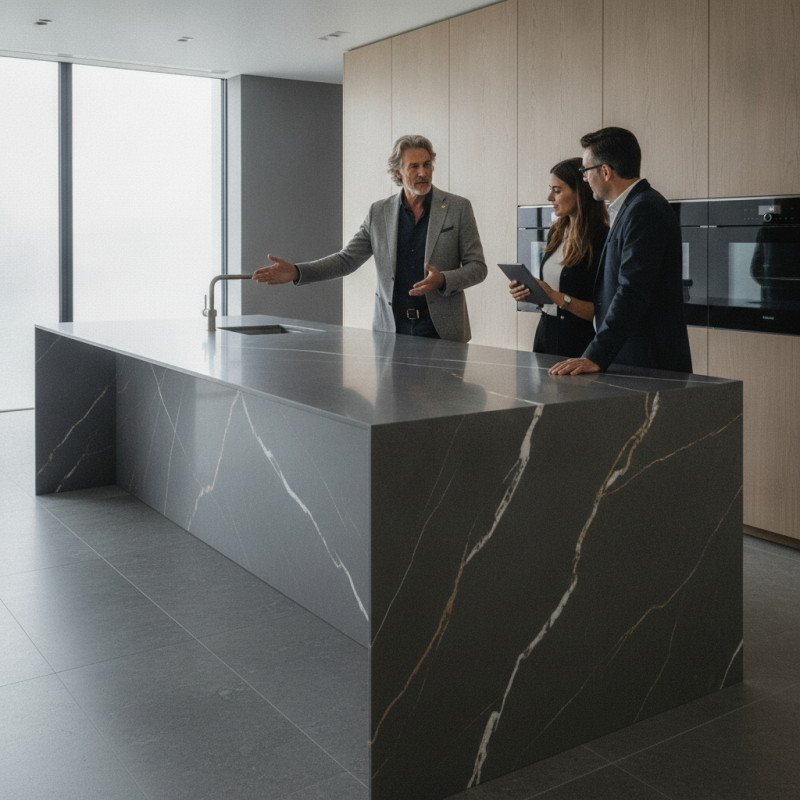
2026 Overview of Ultra Thin Sintered Surfaces and Their Market Growth
Ultra thin sintered surfaces have gained attention in various industries due to their unique properties. These surfaces are known for their durability, resistance to wear, and aesthetic appeal. With a market expected to grow significantly by 2026, it's important to explore their implications and applications.
In recent years, the adoption of ultra thin sintered surfaces has increased in sectors like architecture and interior design. Their lightweight nature allows for easy installation, making them a preferred choice among builders and designers. However, despite the advantages, some challenges remain, such as the high cost of production. Buyers need to weigh these factors carefully.
Environmental considerations also play a role in the market dynamics. The sustainability of materials used is under scrutiny. Buyers must consider whether the benefits outweigh potential negative impacts. As the market evolves, balancing innovation with responsible sourcing will be crucial for future success.
Key Benefits of Ultra Thin Sintered Surfaces for Residential Applications
Ultra thin sintered surfaces are gaining popularity in residential applications. These surfaces offer a range of benefits that make them ideal for modern homes. Their lightweight nature allows for easy installation, saving both time and labor costs. This is especially important for homeowners looking to renovate without major disruptions.
Durability is another major advantage. Ultra thin sintered surfaces are resistant to scratches, stains, and heat. This means they maintain their aesthetic appeal for many years, even in high-traffic areas. Homeowners can enjoy beautiful countertops or flooring that withstands everyday use. However, it's vital to consider proper maintenance to maximize their lifespan. Regular cleaning with gentle, non-abrasive products can prevent damage.
Tips: When selecting these surfaces, consider texture and finish. A matte finish may hide blemishes better than a glossy one. Additionally, consult with professionals who have experience with these materials. Their insights can help you choose the best options for your space. Lastly, be wary of DIY installations; improper handling can lead to costly repairs.
Comparative Analysis: Ultra Thin Sintered Surfaces vs. Traditional Materials
Ultra thin sintered surfaces are gaining popularity, especially when compared to traditional materials. They offer unique benefits that can enhance aesthetics and functionality in various applications. These surfaces are incredibly lightweight and durable. They resist scratches, stains, and damages more effectively than conventional options. For homeowners, this means long-lasting beauty with less maintenance.
Traditional materials often come with limitations. For example, natural stone can require sealing and can be prone to cracking. Ultra thin sintered surfaces avoid these issues. They provide designers with a wealth of color and texture choices. However, the installation process can be tricky. Inexperienced installers may struggle, leading to potential issues.
Despite their advantages, a few aspects warrant contemplation. The initial cost of ultra thin sintered surfaces may be higher. Buyers should consider if the long-term benefits offset the upfront investment. Quality varies across different manufacturers, so it is vital to vet options thoroughly. Balancing aesthetics, durability, and cost may require careful thought.
2026 Best Benefits of Ultra Thin Sintered Surfaces for Buyers - Comparative Analysis: Ultra Thin Sintered Surfaces vs. Traditional Materials
| Feature |
Ultra Thin Sintered Surfaces |
Traditional Materials |
| Durability |
Highly resistant to scratches, stains, and heat. |
Varies; may be prone to scratches and stains. |
| Thickness |
Typically 3-10 mm. |
Usually thicker, ranging from 20 mm and above. |
| Weight |
Lightweight, making it easier to handle. |
Heavier, which can complicate installation. |
| Design Variety |
Available in a wide range of colors and patterns. |
Limited designs compared to sintered surfaces. |
| Maintenance |
Easy to clean and maintain; requires minimal upkeep. |
May require special cleaners and regular maintenance. |
| Cost |
Higher initial cost but offers long-term savings. |
Typically lower initial cost, but potential for higher maintenance costs. |
| Environmental Impact |
Manufactured using eco-friendly processes. |
May not be produced with sustainable practices. |
Sustainability Factors: Eco-Friendly Attributes of Sintered Surfaces
Sintered surfaces are gaining attention for their eco-friendly features. They are made through a sustainable process that minimizes waste. The materials used are often recyclable, reducing their environmental impact. This aligns well with current trends toward sustainability in design and architecture.
The ultra-thin nature of these surfaces offers additional benefits. They require less raw material compared to traditional alternatives. This means lower extraction and processing costs, which can be beneficial for both the environment and the buyer’s wallet. However, the production process still needs to improve in energy efficiency. Making these surfaces even greener is a goal worth pursuing.
While sintered surfaces present many advantages, there are still challenges to consider. Issues like durability and maintenance can impact their long-term sustainability. Buyers should weigh these factors carefully. Seeking expert advice can provide clarity. Making informed choices is key to enhancing both aesthetic appeal and environmental responsibility.
Cost Efficiency: Long-Term Financial Benefits for Buyers of Sintered Surfaces
Ultra thin sintered surfaces are gaining attention for their cost efficiency. A study by the Construction Market Research Institute indicates that the lifespan of sintered surfaces can reach up to 50 years. This longevity translates into lower replacement costs for buyers. Traditional materials may require frequent maintenance and replacement, which can accumulate significant expenses over time.
The installation costs of ultra thin sintered surfaces may seem higher initially. However, considering their durability, buyers often see substantial savings. According to a report from the International Surface Technology Association, maintenance costs for sintered surfaces are 30% less than for conventional options. This is a crucial factor for budget-conscious buyers. Materials that resist staining and scratching reduce ongoing care costs.
However, some buyers may worry about the initial investment. While sintered surfaces boast significant long-term savings, the upfront price can be a barrier. It is essential for buyers to weigh these costs against long-term benefits. Before investing, potential buyers should evaluate specific needs and usage scenarios. Understanding the financial impact over time is essential in decision-making. This reflection can help buyers make informed choices aligned with their financial goals.
Conclusion
Ultra-thin sintered surfaces are gaining popularity in the market due to their innovative properties and numerous advantages for buyers. In 2026, the growth of these surfaces can be attributed to their key benefits in residential applications, which include exceptional durability, aesthetic appeal, and versatility. Homeowners can significantly enhance their living spaces with these surfaces while enjoying lower maintenance requirements compared to traditional materials.
Furthermore, when considering what are the benefits of ultra-thin sintered surfaces, sustainability emerges as a pivotal factor. These surfaces are designed with eco-friendly attributes, contributing to reduced environmental impact. Additionally, their cost efficiency becomes evident in the long-term financial benefits they provide, making them a wise investment for buyers. By opting for ultra-thin sintered surfaces, consumers can enjoy both beauty and practicality in their home design choices.

 Rock Stone